Naltrexone for Alcohol Use Disorder

Apple PodcastsSpotifyListen Here

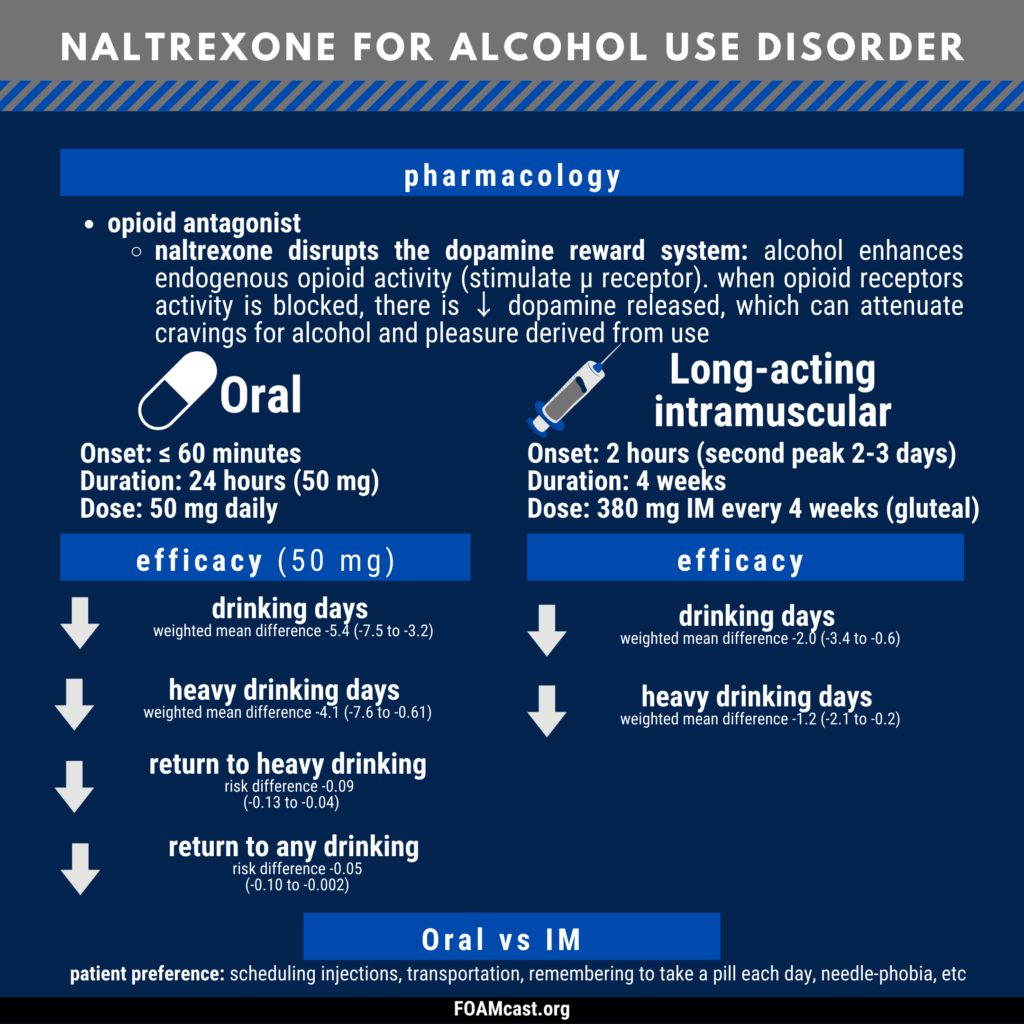
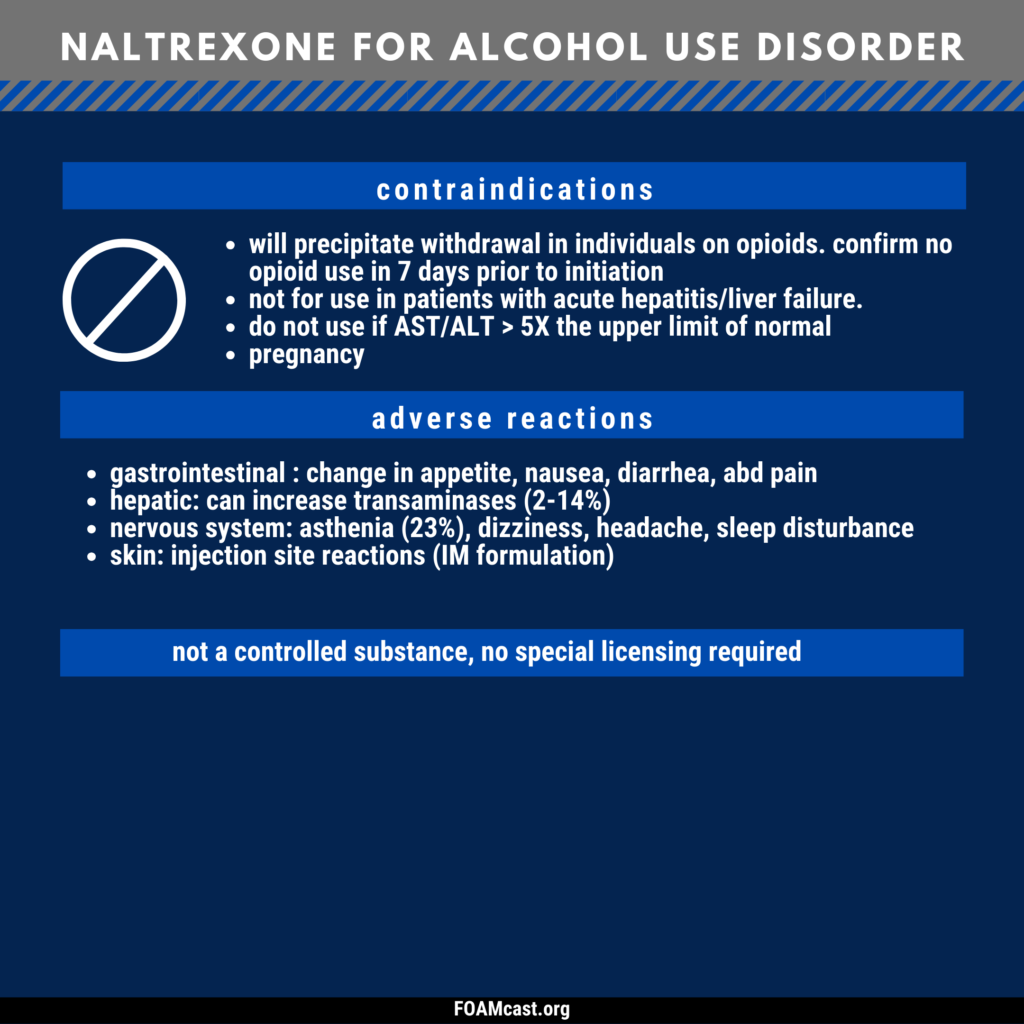
Alcohol-related emergency department (ED) visits are common – estimated to be comprise nearly 4% of all ED visits and up to 6% of hospitalizations. Historically, EDs have had little engagement in harm reduction around alcohol use disorder (AUD) and provision of medication for AUD. Often efforts to help patients with dangerous or harmful alcohol consumption have encouraged abstinence-only, or referral to detoxification centers. However, recent studies have demonstrated the feasibility of ED-initiated medication for AUD, specifically naltrexone (Anderson ES et al. Ann Emerg Med. 2021 Dec;78(6):752-758. PMID: 34353648. Murphy et al. Ann Emerg Med. 2023 Apr;81(4):440-449 PMID: 36328851).
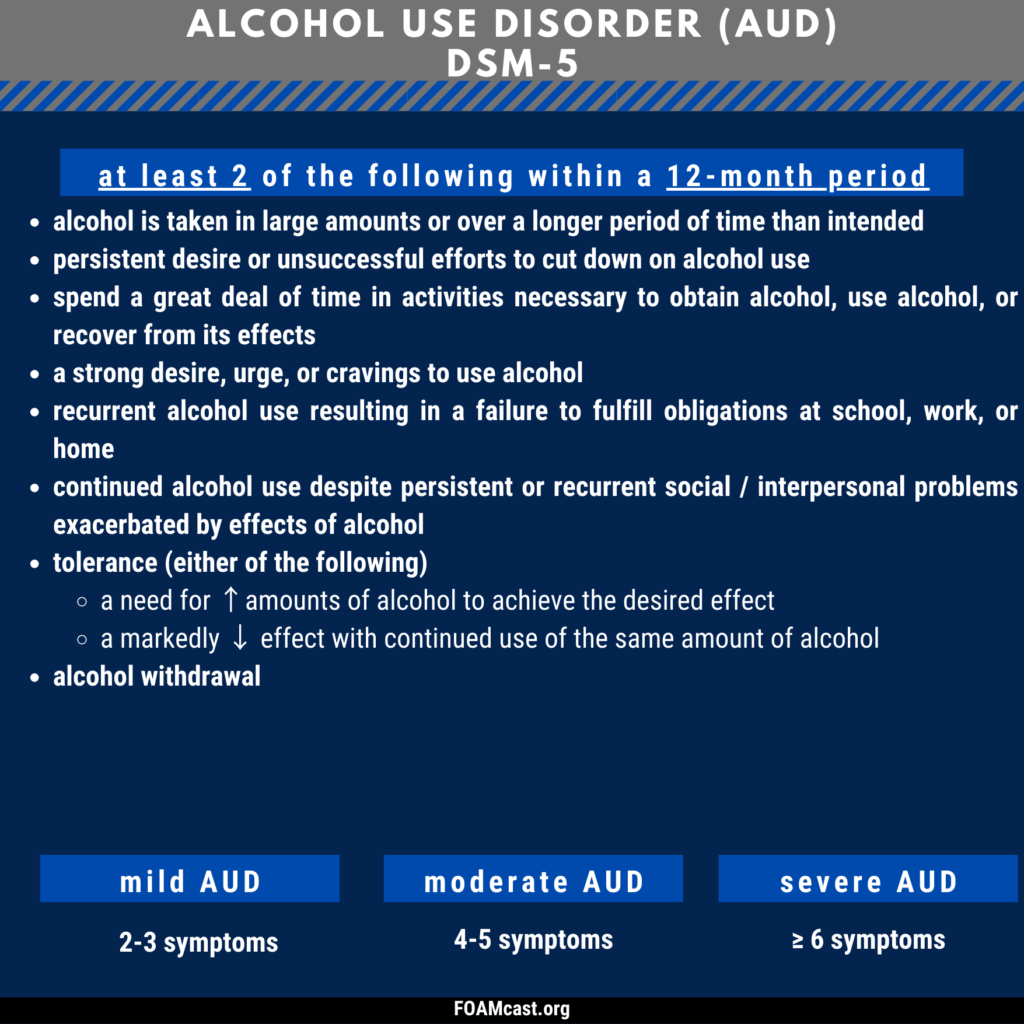
Jonas DE et al. Pharmacotherapy for adults with alcohol use disorders in outpatient settings: a systematic review and meta-analysis. JAMA. 2014 May 14;311(18):1889-900. doi: 10.1001/jama.2014.3628. PMID: 24825644. Murphy CE 4th, Wang RC, Montoy JC, Whittaker E, Raven M. Effect of extended-release naltrexone on alcohol consumption: a systematic review and meta-analysis. Addiction. 2022 Feb;117(2):271-281. PMID: 34033183.

Example emergency department algorithm below, also see UCSF protocol
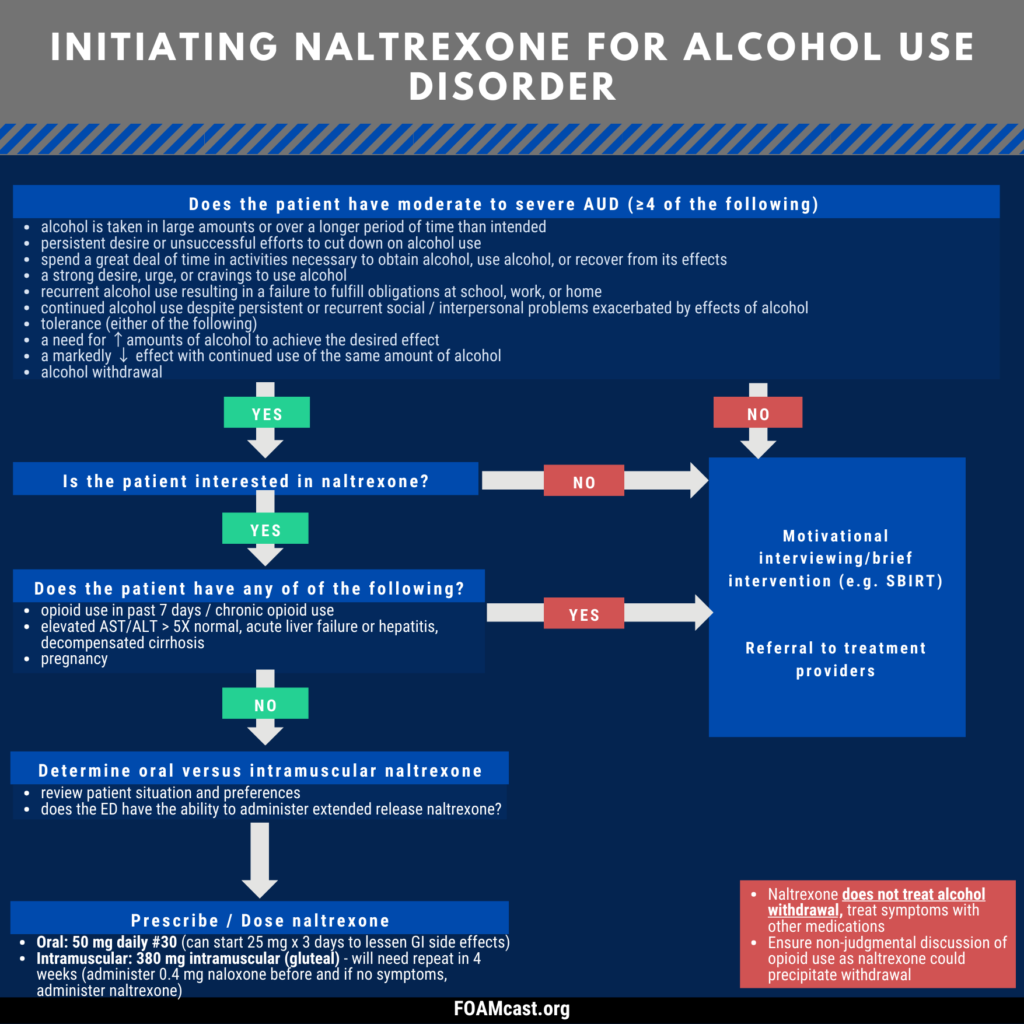
Anderson ES et al. Implementation of Oral and Extended-Release Naltrexone for the Treatment of Emergency Department Patients With Moderate to Severe Alcohol Use Disorder: Feasibility and Initial Outcomes. Ann Emerg Med. 2021 Dec;78(6):752-758. Aug 2. PMID: 34353648.

Steroids for Severe Community-Acquired Pneumonia

Apple Podcasts, Spotify, Listen Here

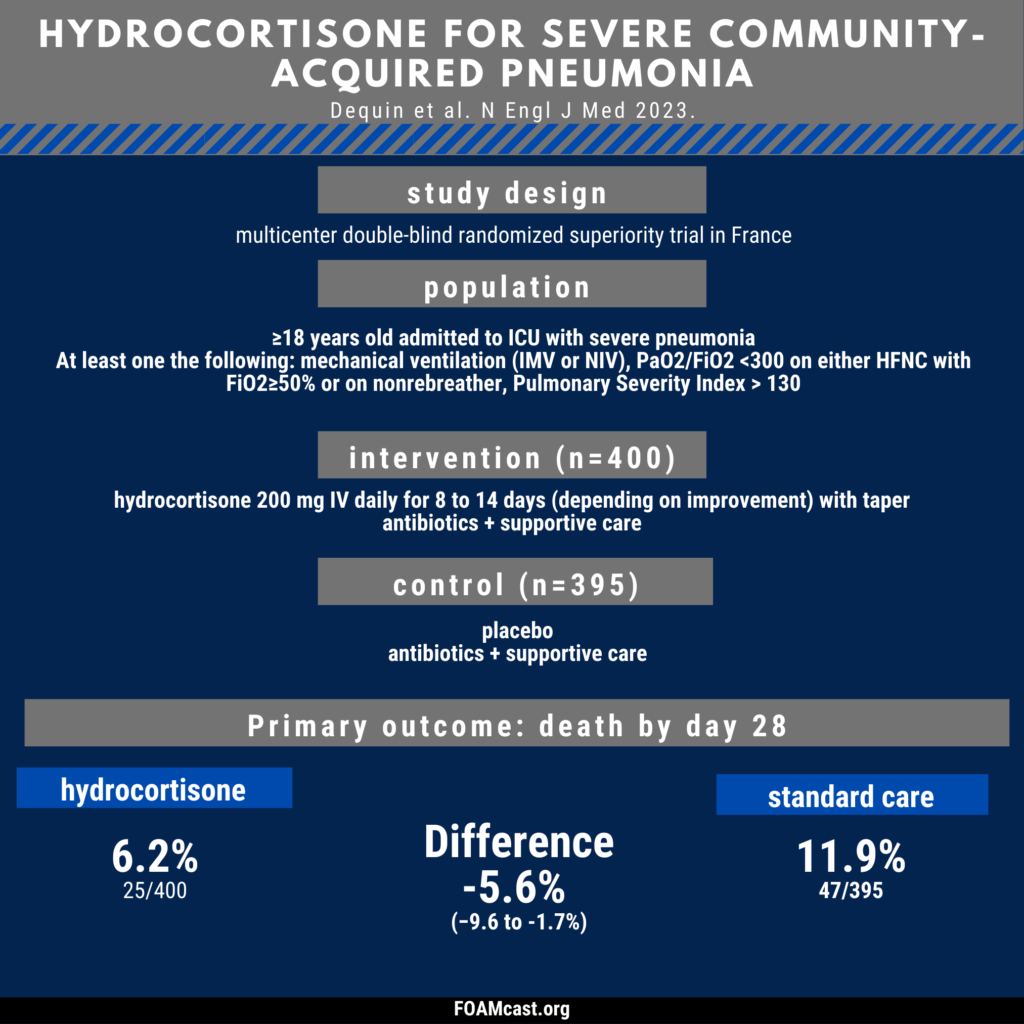
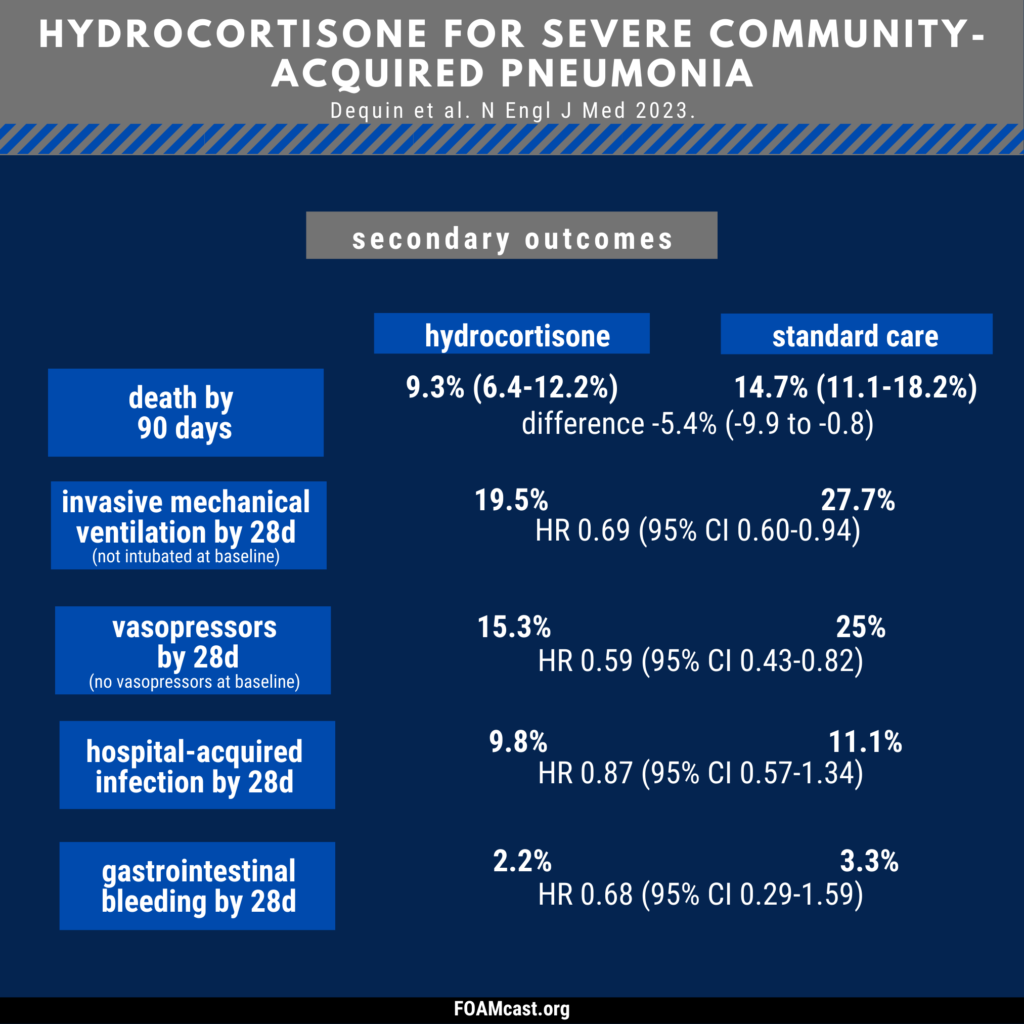
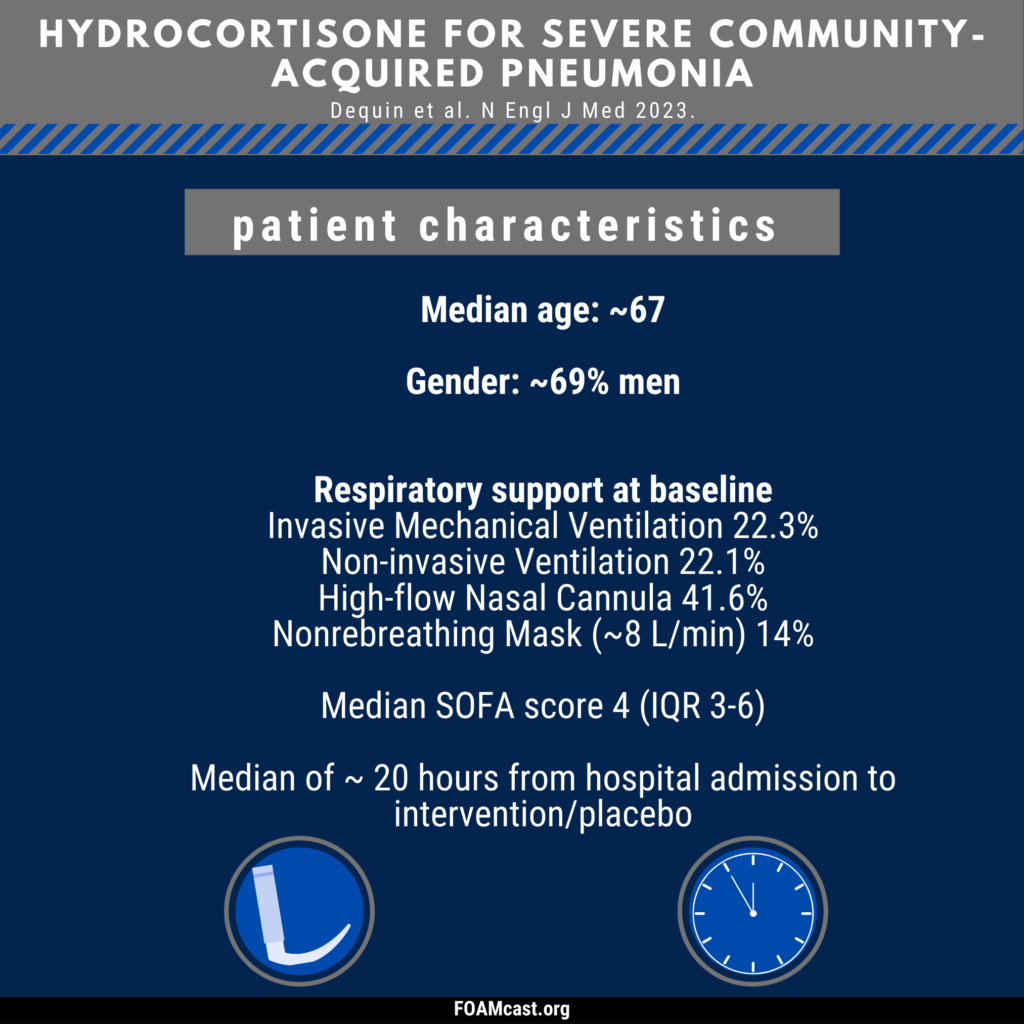
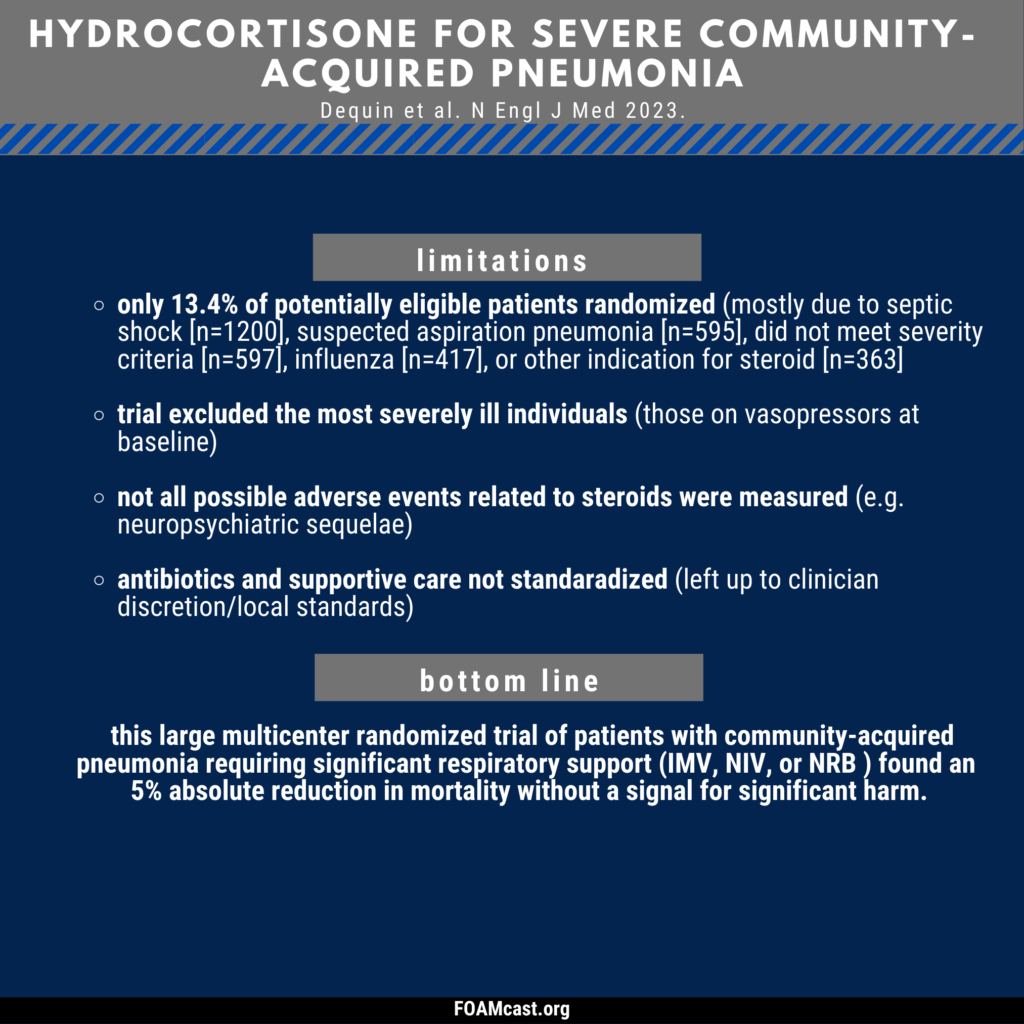
The role of steroids in pneumonia is controversial. Steroids were found to reduce mortality in COVID-19 patients requiring at least supplemental oxygen but are not associated with a mortality benefit in influenza. In 2019, the Infectious Disease Society of America recommended against the routine use of steroids in hospitalized patients with community-acquired pneumonia (CAP) while the Society for Critical Care Medicine recommends steroids in these patients. Studies of steroids in pneumonia continue to have mixed results (e.g. ESCAPe found no benefit in their trial of a continuous infusion of methylprednisolone in severely ill patients with CAP). In this podcast episode, we review a new multicenter randomized trial of hydrocortisone in severe CAP.

References:

  1. Metlay JP, Waterer GW, Long AC, et al. Diagnosis and Treatment of Adults with Community-acquired Pneumonia. An Official Clinical Practice Guideline of the American Thoracic Society and Infectious Diseases Society of America. Am J Respir Crit Care Med. 2019;200(7):e45-e67.
  2. Pastores SM, Annane D, Rochwerg B; Corticosteroid Guideline Task Force of SCCM and ESICM. Guidelines for the diagnosis and management of critical illness-related corticosteroid insufficiency (CIRCI) in critically ill patients (Part II): Society of Critical Care Medicine (SCCM) and European Society of Intensive Care Medicine (ESICM) 2017. Intensive Care Med. 2018 Apr;44(4):474-477. doi: 10.1007/s00134-017-4951-5. Epub 2017 Oct 31. PMID: 29090327.
  3. Stern A, Skalsky K, Avni T, Carrara E, Leibovici L, Paul M. Corticosteroids for pneumonia. Cochrane Database Syst Rev. 2017 Dec 13;12(12):CD007720. doi: 10.1002/14651858.CD007720.pub3. PMID: 29236286; PMCID: PMC6486210.

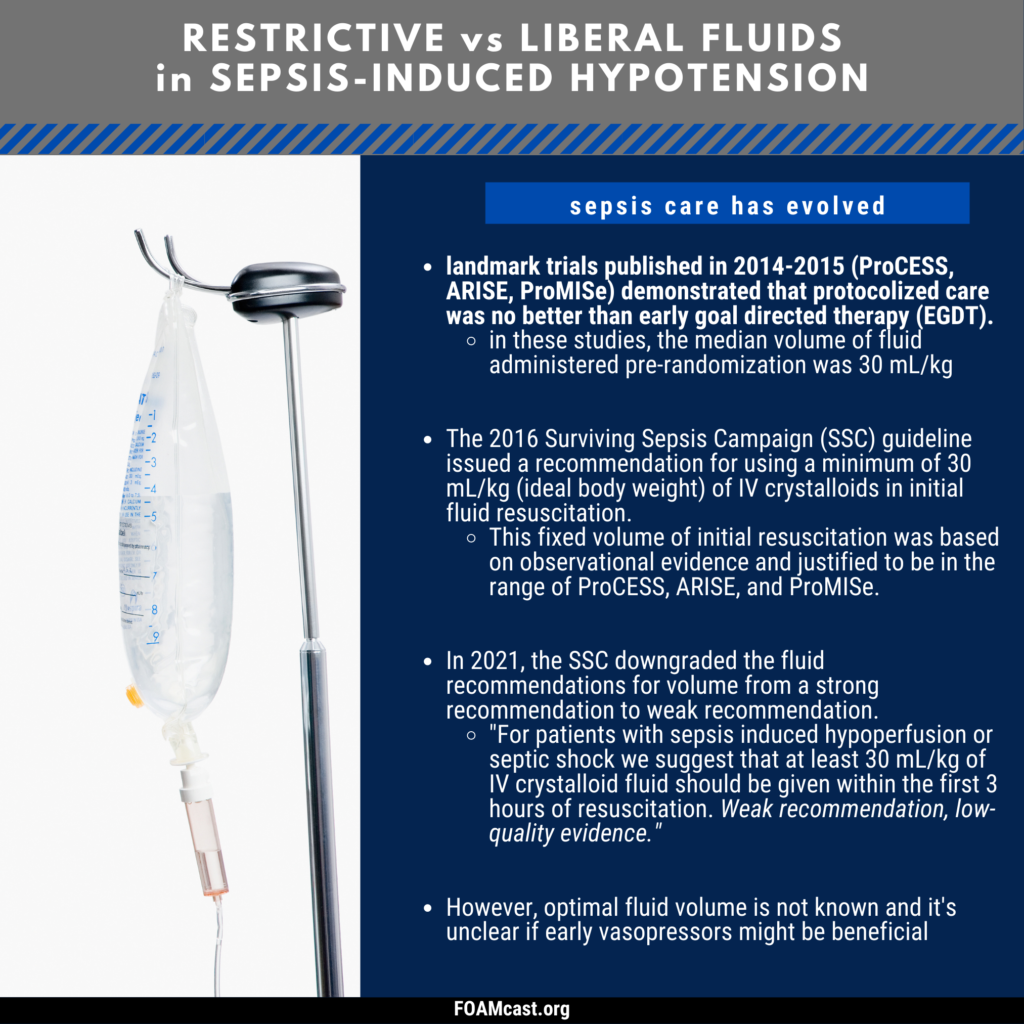
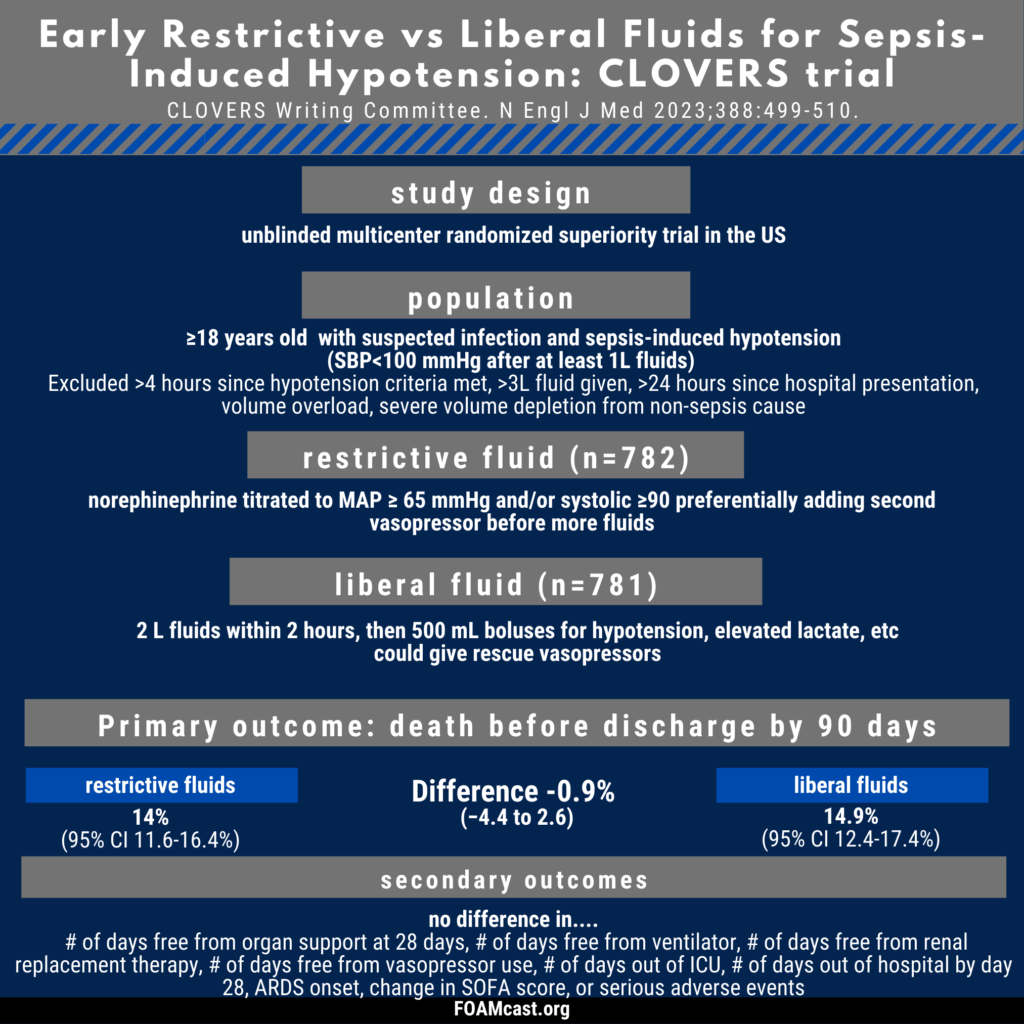
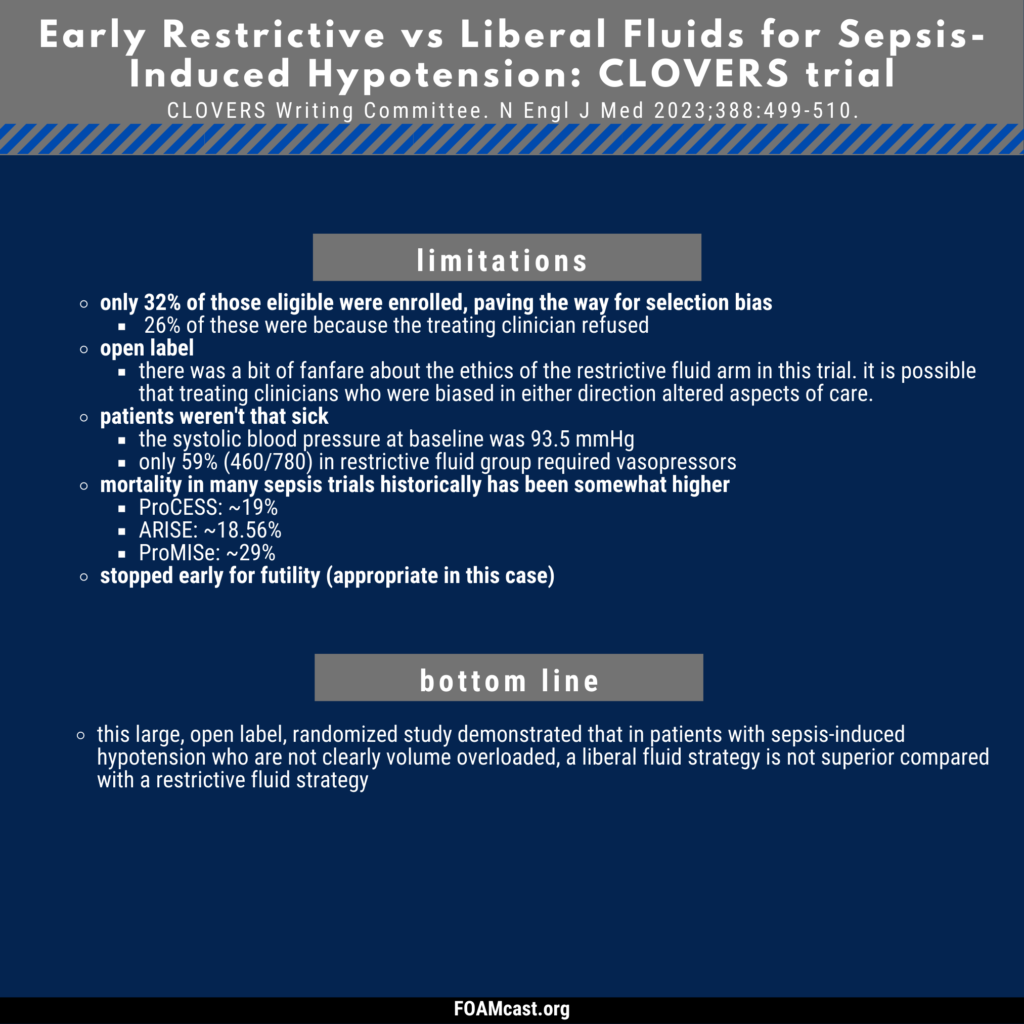
CLOVERS Trial: Restricted vs Liberal Fluids in Sepsis-Induced Hypotension

Apple Podcasts, Spotify, Listen Here

References:

  1. National Heart, Lung, and Blood Institute Prevention and Early Treatment of Acute Lung Injury Clinical Trials Network, Shapiro NI, Douglas IS, et al. Early Restrictive or Liberal Fluid Management for Sepsis-Induced Hypotension. N Engl J Med. 2023;388(6):499-510.
  2. Surviving Sepsis Campaign guidelines 2021. Society of Critical Care Medicine (SCCM). Accessed February 14, 2023. https://www.sccm.org/Clinical-Resources/Guidelines/Guidelines/Surviving-Sepsis-Guidelines-2021
  3. PRISM Investigators, Rowan KM, Angus DC, et al. Early, Goal-Directed Therapy for Septic Shock – A Patient-Level Meta-Analysis. N Engl J Med. 2017;376(23):2223-2234.

Management of Acute, Uncomplicated Diverticulitis

Apple Podcast, Spotify, Listen Here

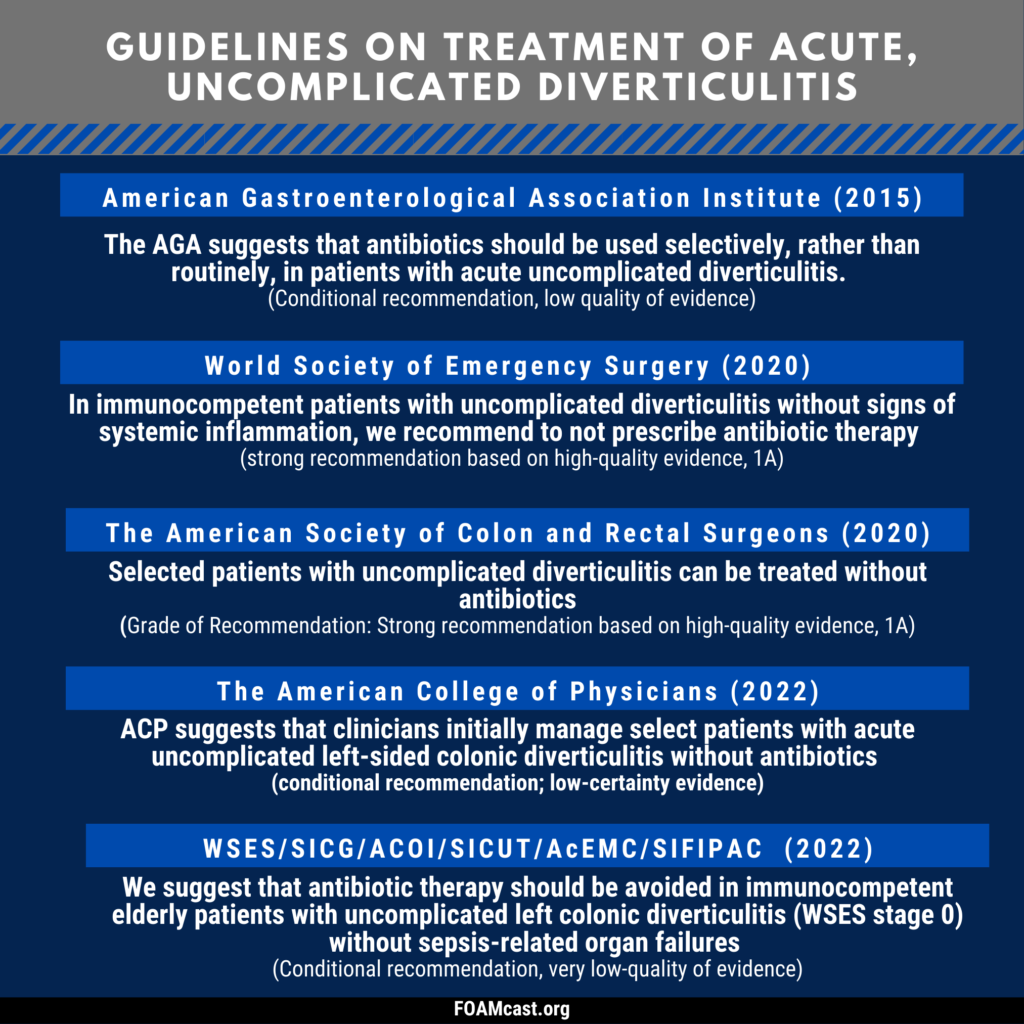
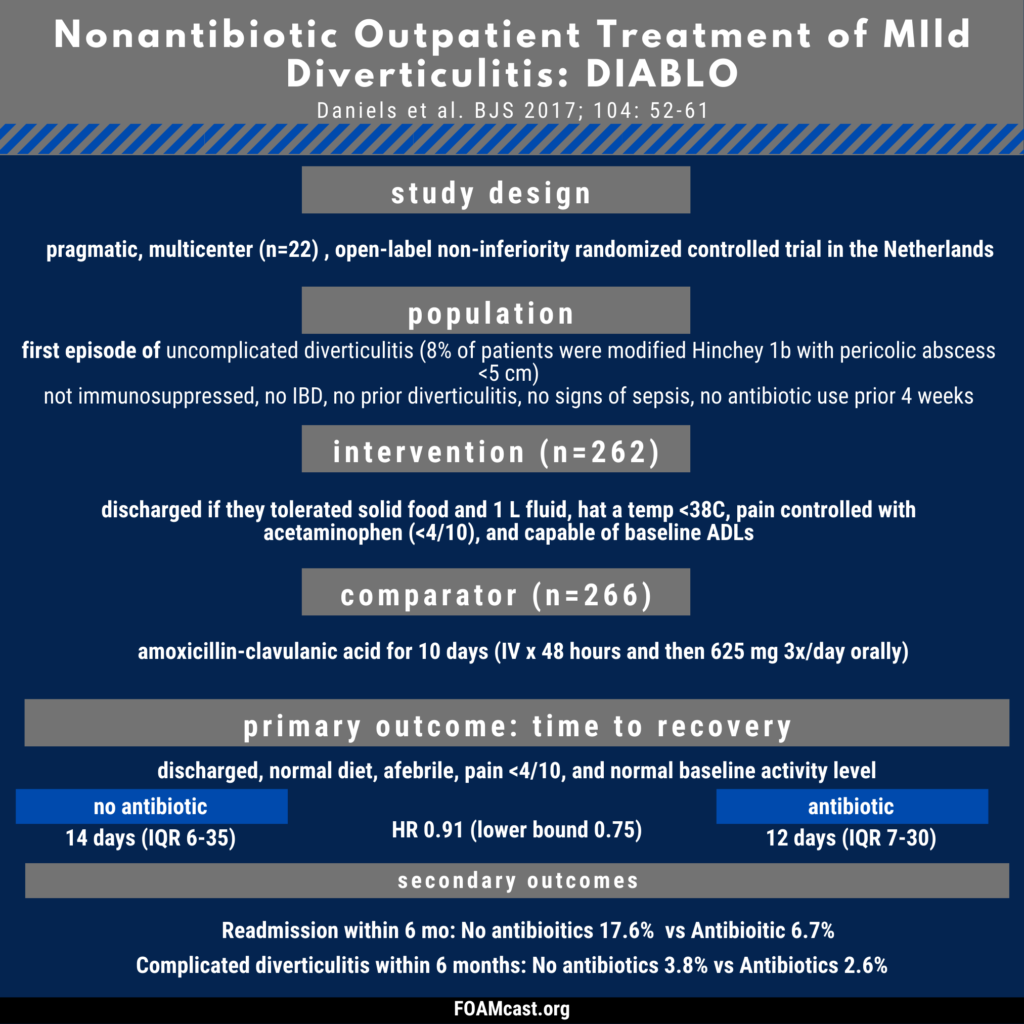
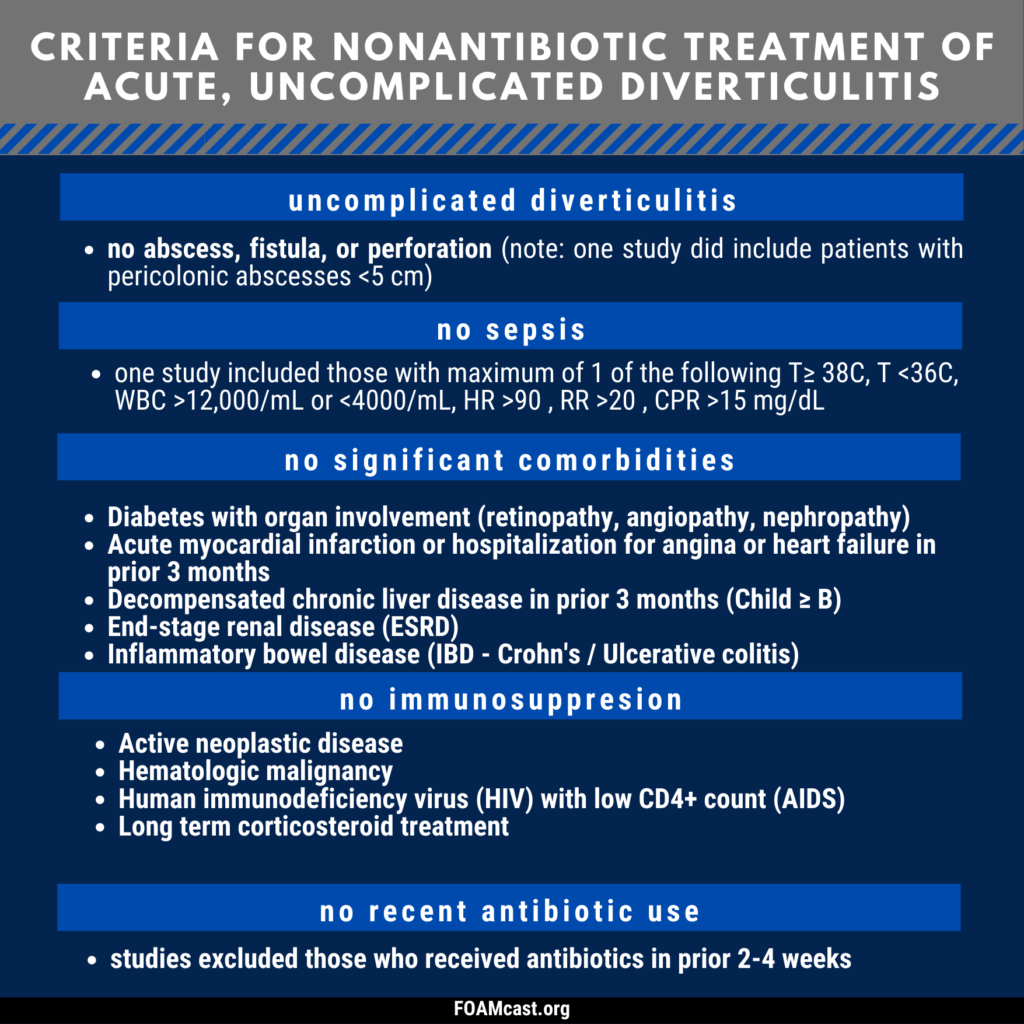
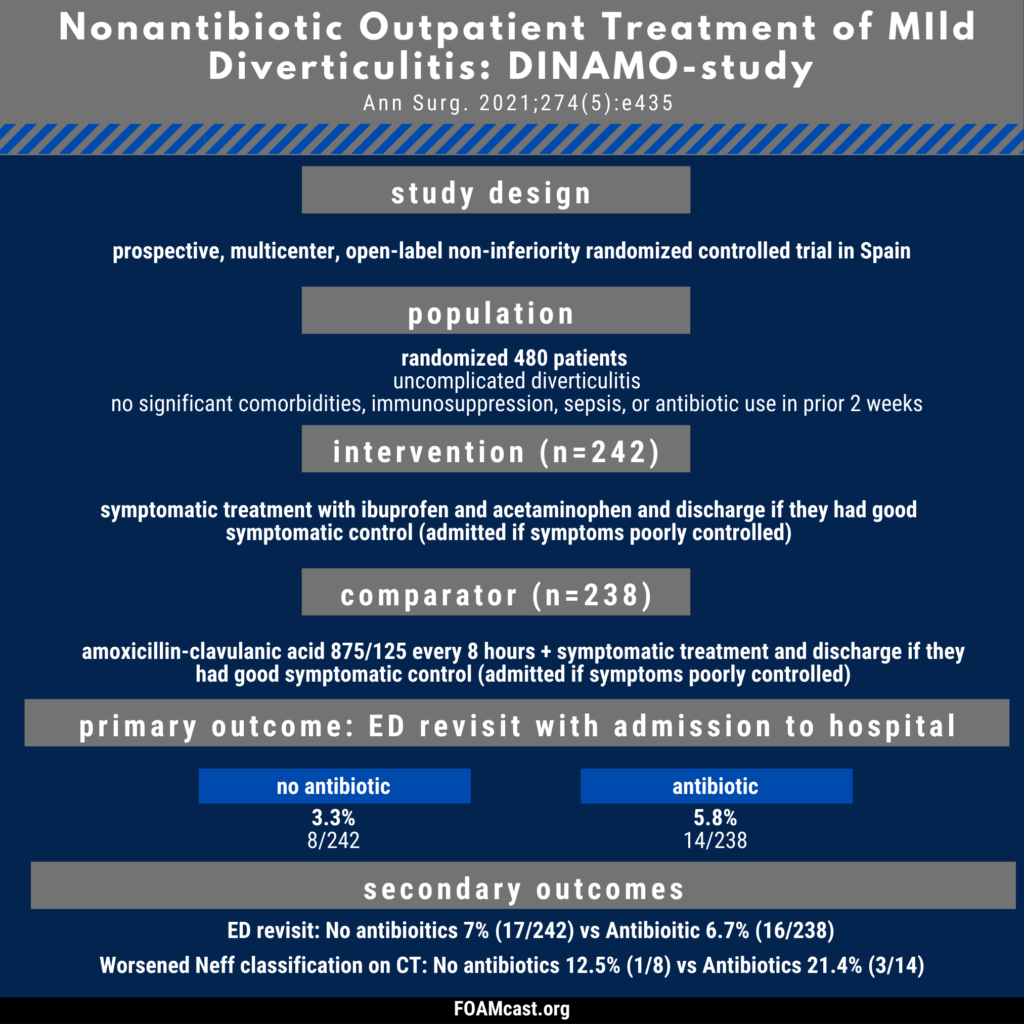
Although antibiotics have been the cornerstone of treatment of diverticulitis, recommendations have pivoted away from this routine practice. This episode reviews the literature and guideline recommendations for the treatment of acute, uncomplicated diverticulitis.

References:

  1. Stollman N, Smalley W, Hirano I, AGA Institute Clinical Guidelines Committee. American Gastroenterological Association Institute Guideline on the Management of Acute Diverticulitis. Gastroenterology. 2015;149(7):1944-1949.
  2. Qaseem A, Etxeandia-Ikobaltzeta I, Lin JS, et al. Diagnosis and Management of Acute Left-Sided Colonic Diverticulitis: A Clinical Guideline From the American College of Physicians. Ann Intern Med. 2022;175(3):399-415.
  3. Hall J, Hardiman K, Lee S, et al. The American Society of Colon and Rectal Surgeons Clinical Practice Guidelines for the Treatment of Left-Sided Colonic Diverticulitis. Dis Colon Rectum. 2020;63(6):728-747.
  4. Fugazzola P, Ceresoli M, Coccolini F, et al. The WSES/SICG/ACOI/SICUT/AcEMC/SIFIPAC guidelines for diagnosis and treatment of acute left colonic diverticulitis in the elderly. World J Emerg Surg. 2022;17(1):5.
  5. Chabok A, Påhlman L, Hjern F, Haapaniemi S, Smedh K; AVOD Study Group. Randomized clinical trial of antibiotics in acute uncomplicated diverticulitis. Br J Surg. 2012 Apr;99(4):532-9. doi: 10.1002/bjs.8688. Epub 2012 Jan 30. PMID: 22290281.
  6. Daniels L, Ünlü Ç, de Korte N, van Dieren S, Stockmann HB, Vrouenraets BC, Consten EC, van der Hoeven JA, Eijsbouts QA, Faneyte IF, Bemelman WA, Dijkgraaf MG, Boermeester MA; Dutch Diverticular Disease (3D) Collaborative Study Group. Randomized clinical trial of observational versus antibiotic treatment for a first episode of CT-proven uncomplicated acute diverticulitis. Br J Surg. 2017 Jan;104(1):52-61. doi: 10.1002/bjs.10309. Epub 2016 Sep 30. PMID: 27686365.

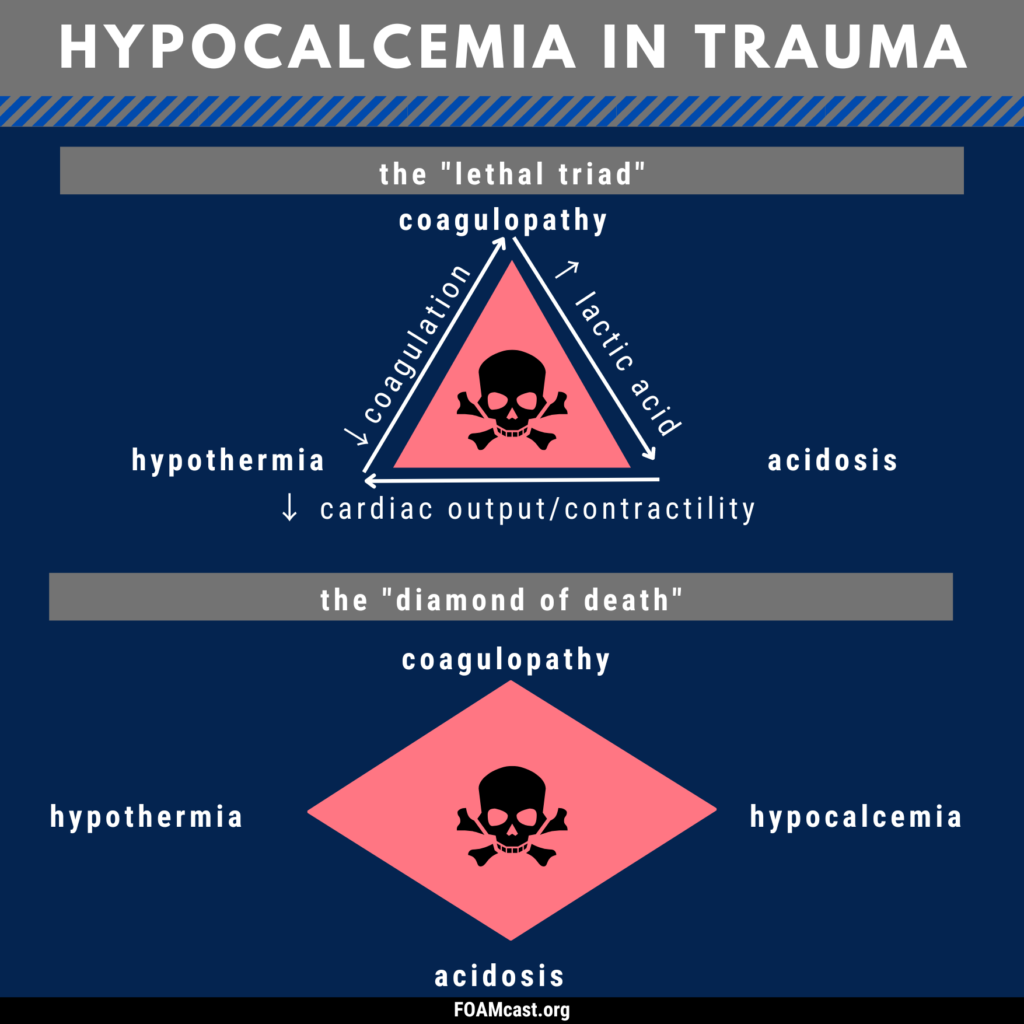
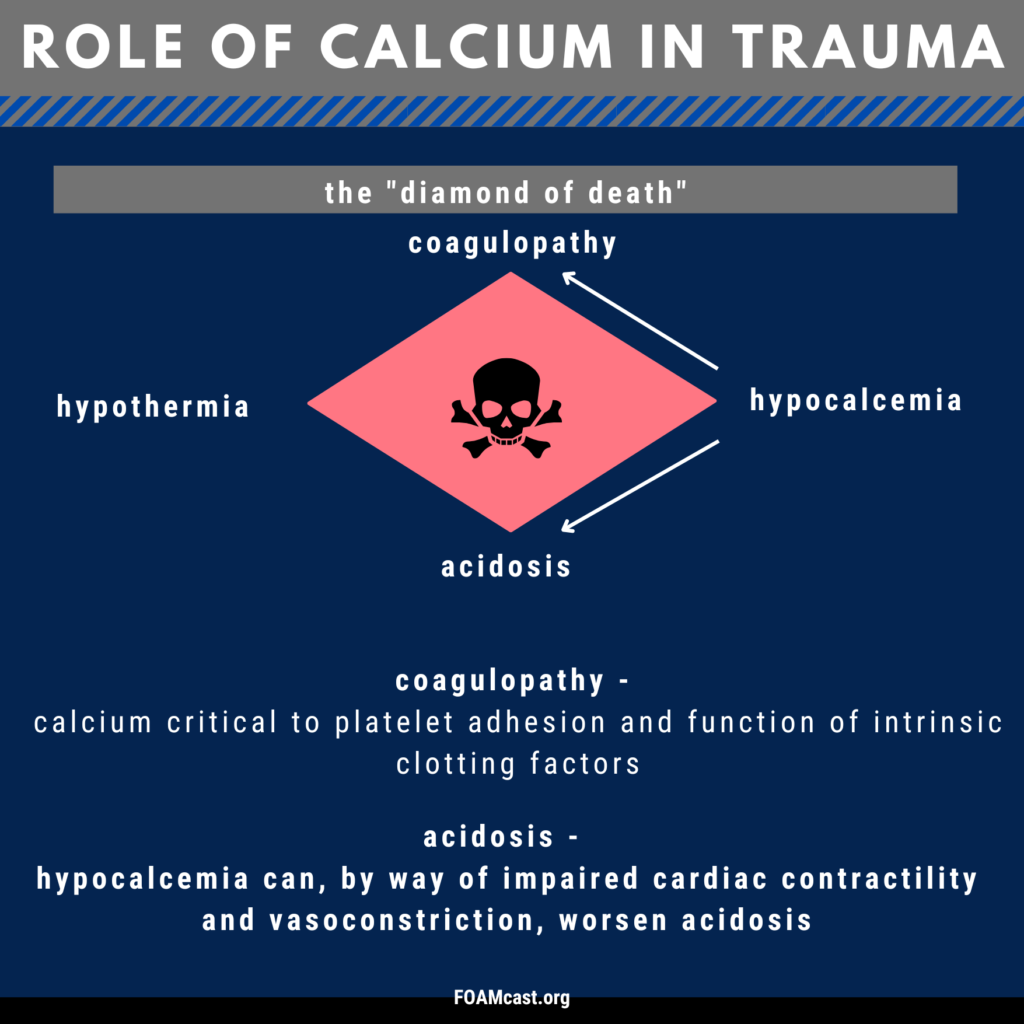
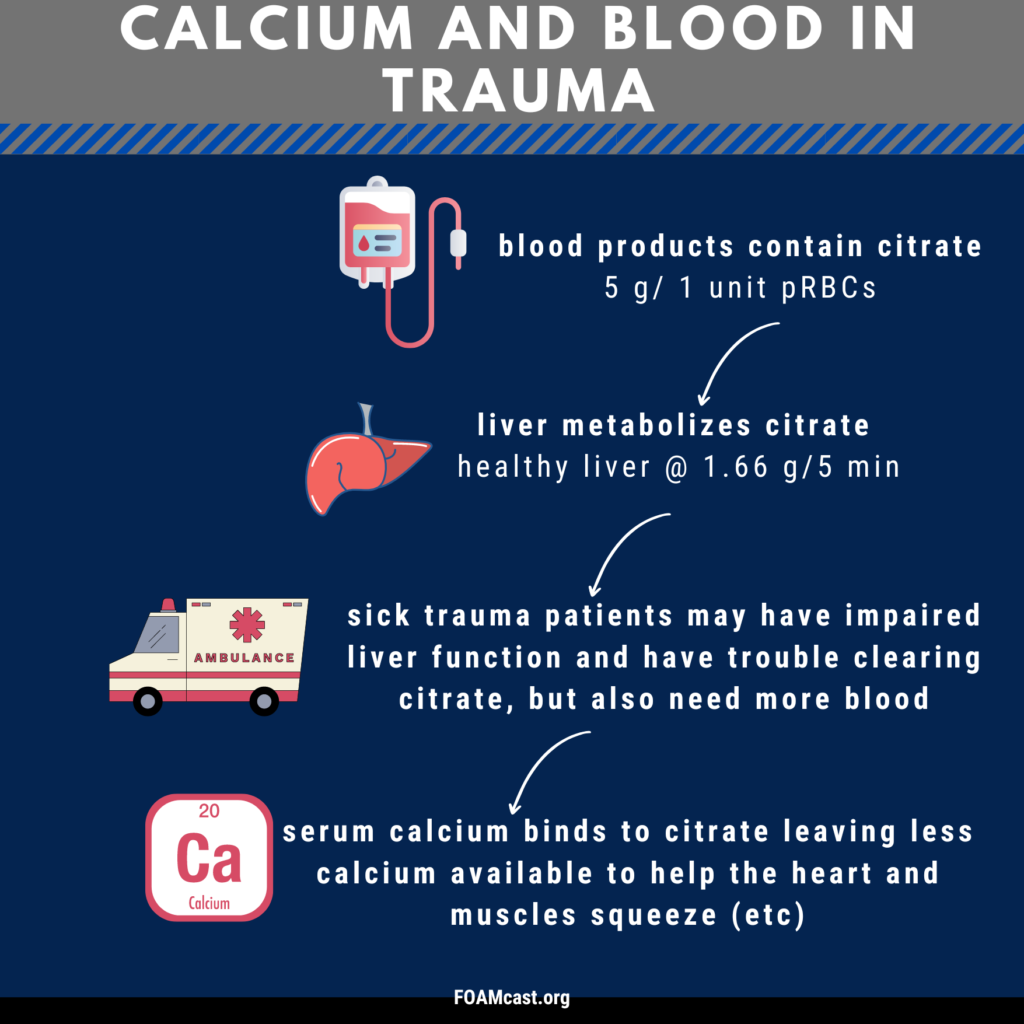
The “Diamond of Death” in Trauma – Hypocalcemia

Apple Podcasts, Spotify, or Listen Here

References:

  1. Wray JP, Bridwell RE, Schauer SG, Shackelford SA, Bebarta VS, Wright FL, Bynum J, Long B. The diamond of death: Hypocalcemia in trauma and resuscitation. Am J Emerg Med. 2021 Mar;41:104-109. doi: 10.1016/j.ajem.2020.12.065. Epub 2020 Dec 28. PMID: 33421674.
  2. Giancarelli A, Birrer KL, Alban RF, Hobbs BP, Liu-DeRyke X. Hypocalcemia in trauma patients receiving massive transfusion. J Surg Res. 2016 May 1;202(1):182-7. doi: 10.1016/j.jss.2015.12.036. Epub 2015 Dec 30. PMID: 27083965.
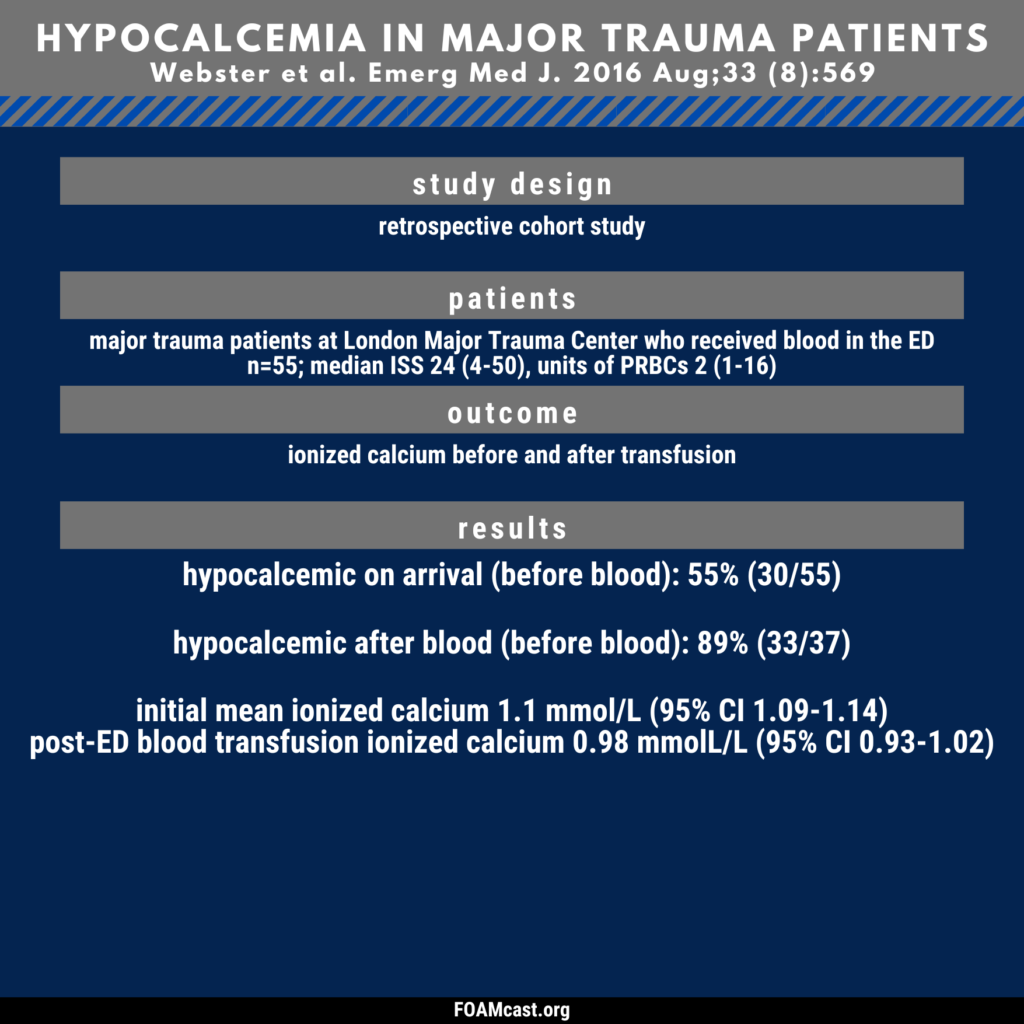
  3. Webster S, Todd S, Redhead J, Wright C. Ionised calcium levels in major trauma patients who received blood in the Emergency Department. Emerg Med J. 2016 Aug;33(8):569-72. doi: 10.1136/emermed-2015-205096. Epub 2016 Feb 4. PMID: 26848163.

A Cardiac Arrest Story: Patient Interview

Apple Podcasts, Spotify, or Listen Here

This episode is a departure from the typical FOAMcast clinical content, we will be back with strictly clinical content soon.

In May 2022, I came across a fellow passenger and stranger in cardiac arrest at the Charlotte airport. A small team of strangers, including an emergency medicine resident, Dr. Jason Tanner, and an emergency department technician, Angel, assembled to treat this passenger. Billy Frolick, a writer and our patient that day shares his perspective on his case with us. This story is a reminder of the importance of continuous chest compressions, early defibrillation, and that what we do in emergency and prehospital medicine matters. For more on why we should, in accordance with guidelines, abandon routine pulse checks, see this podcast: https://foamcast.org/2022/09/04/pulse-checks-during-cardiopulmonary-resuscitation/ or this article: https://www.acepnow.com/article/stop-performing-routine-pulse-checks-during-cpr/

ACEP Clinical Policy on Heart Failure Syndromes & High Dose Nitrates

Apple Podcasts, Spotify, Listen Here

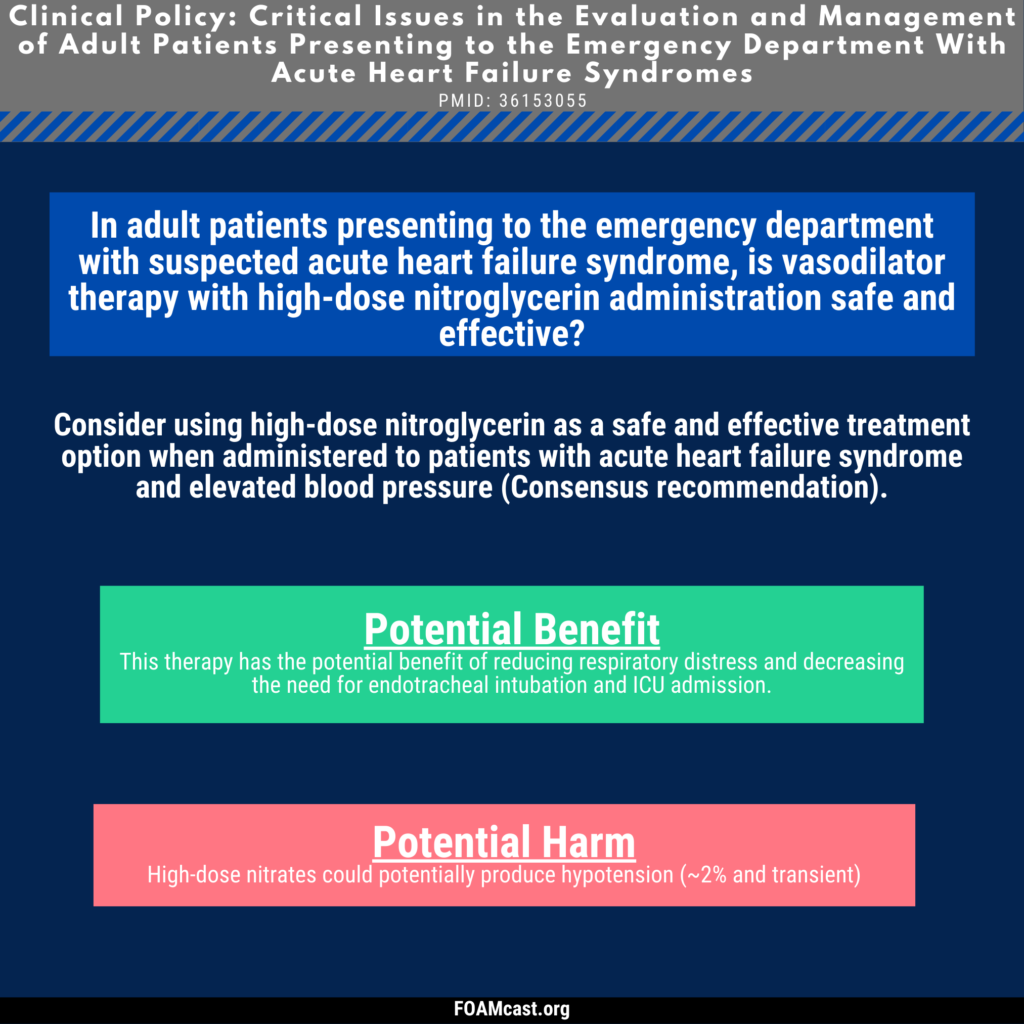
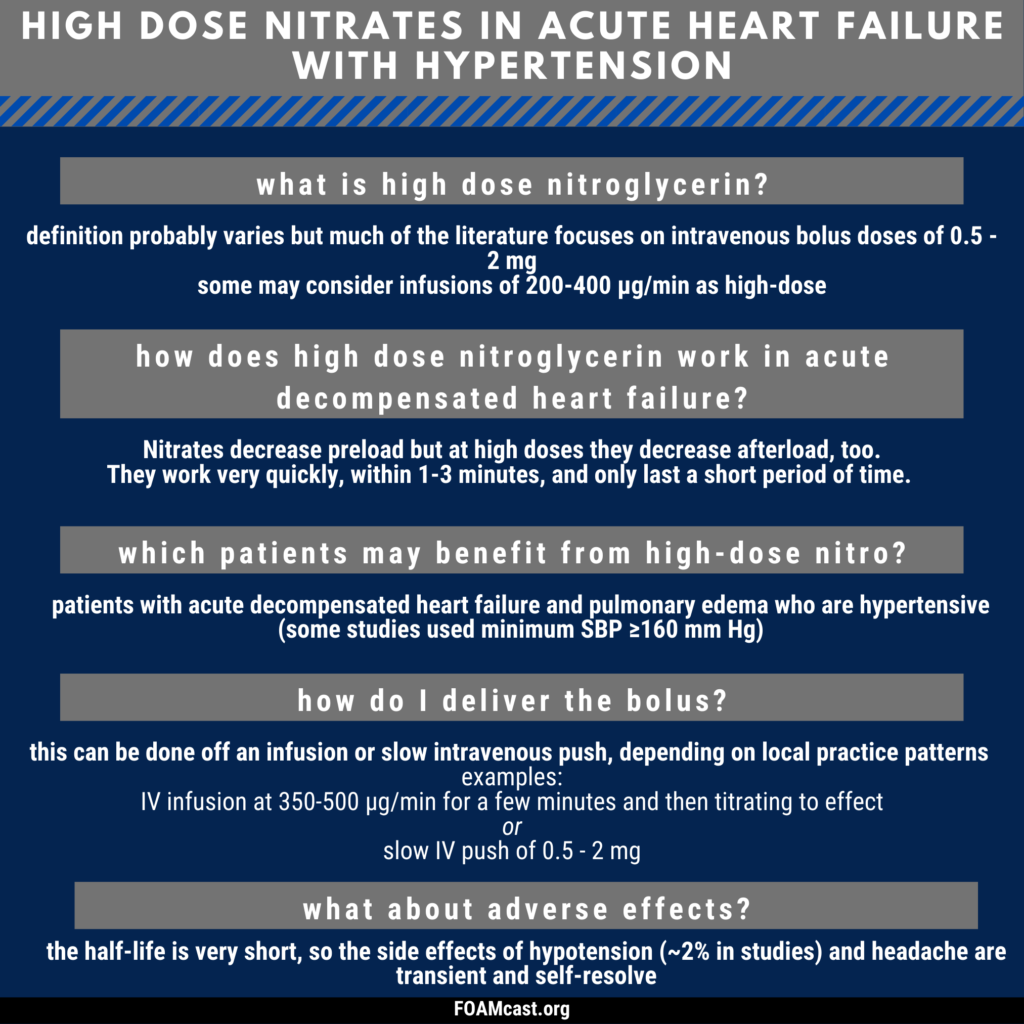
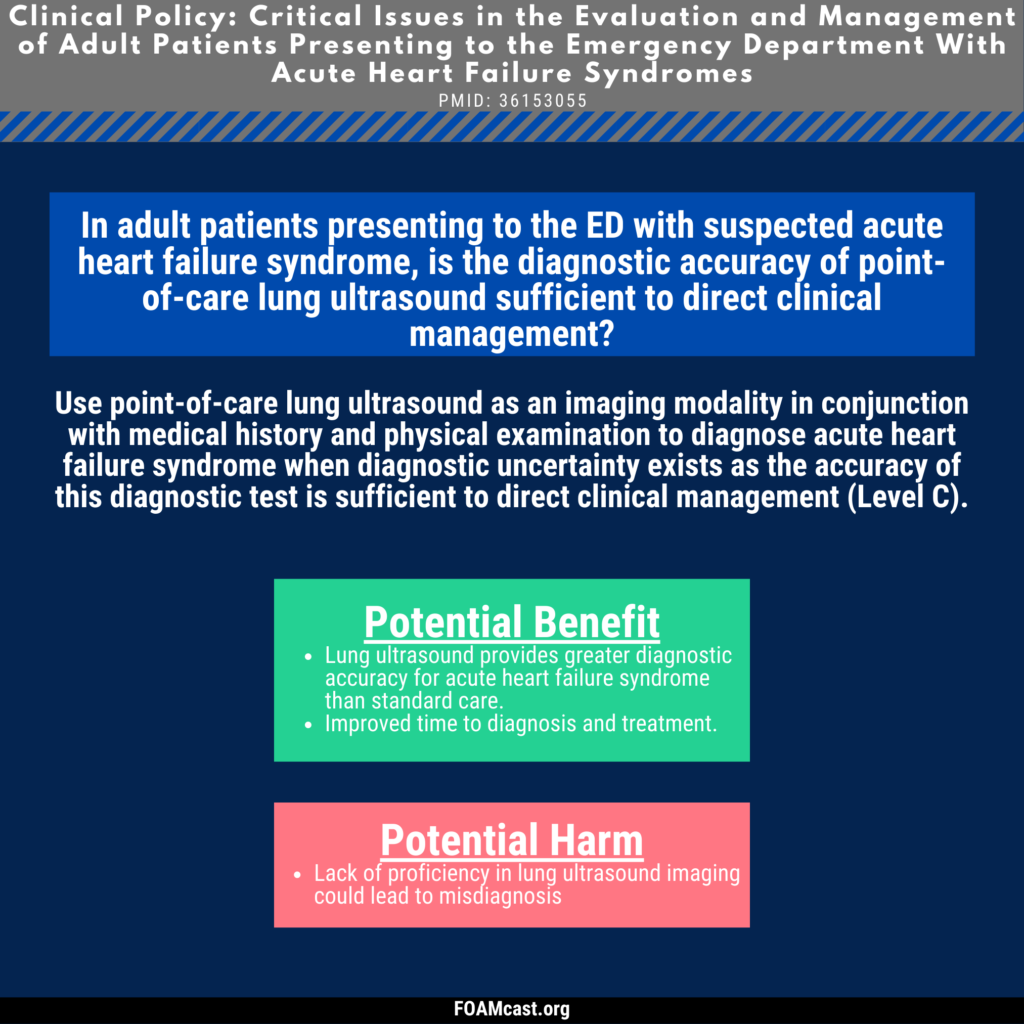
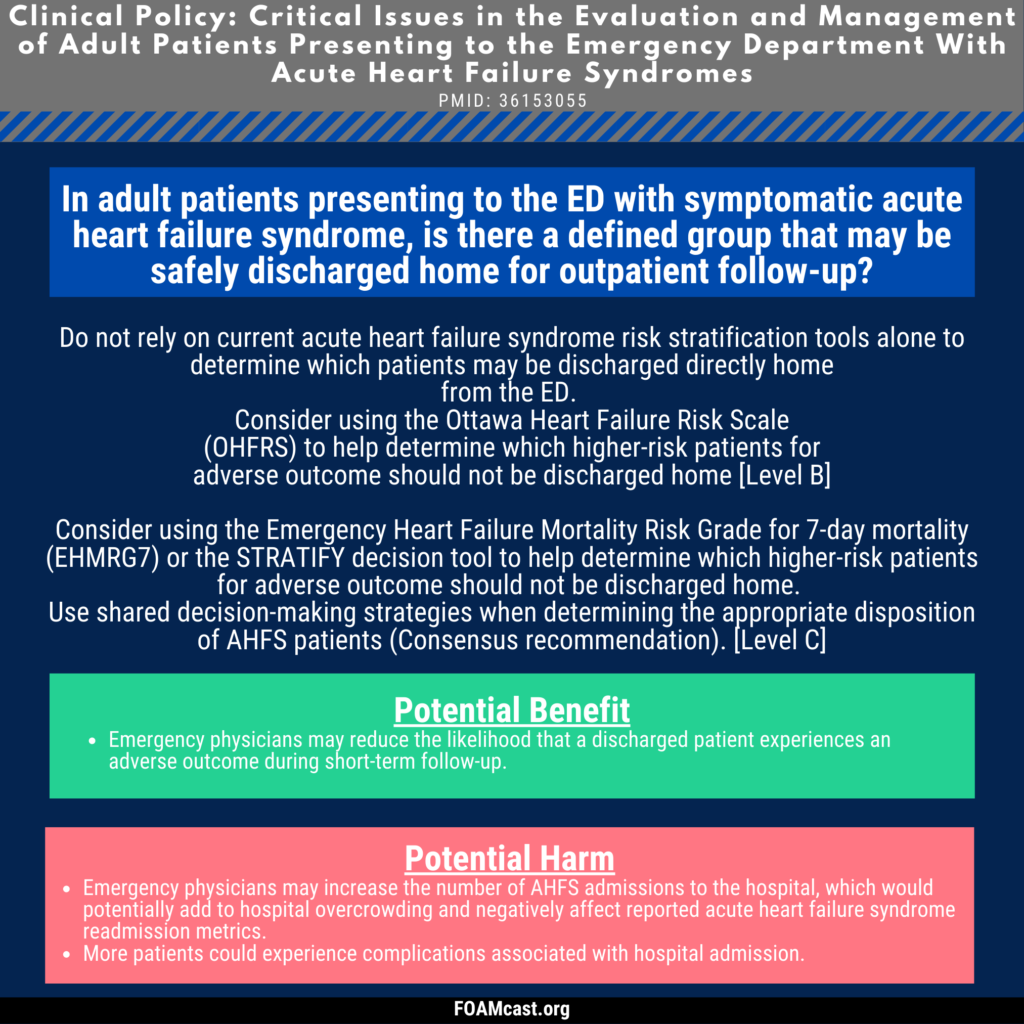
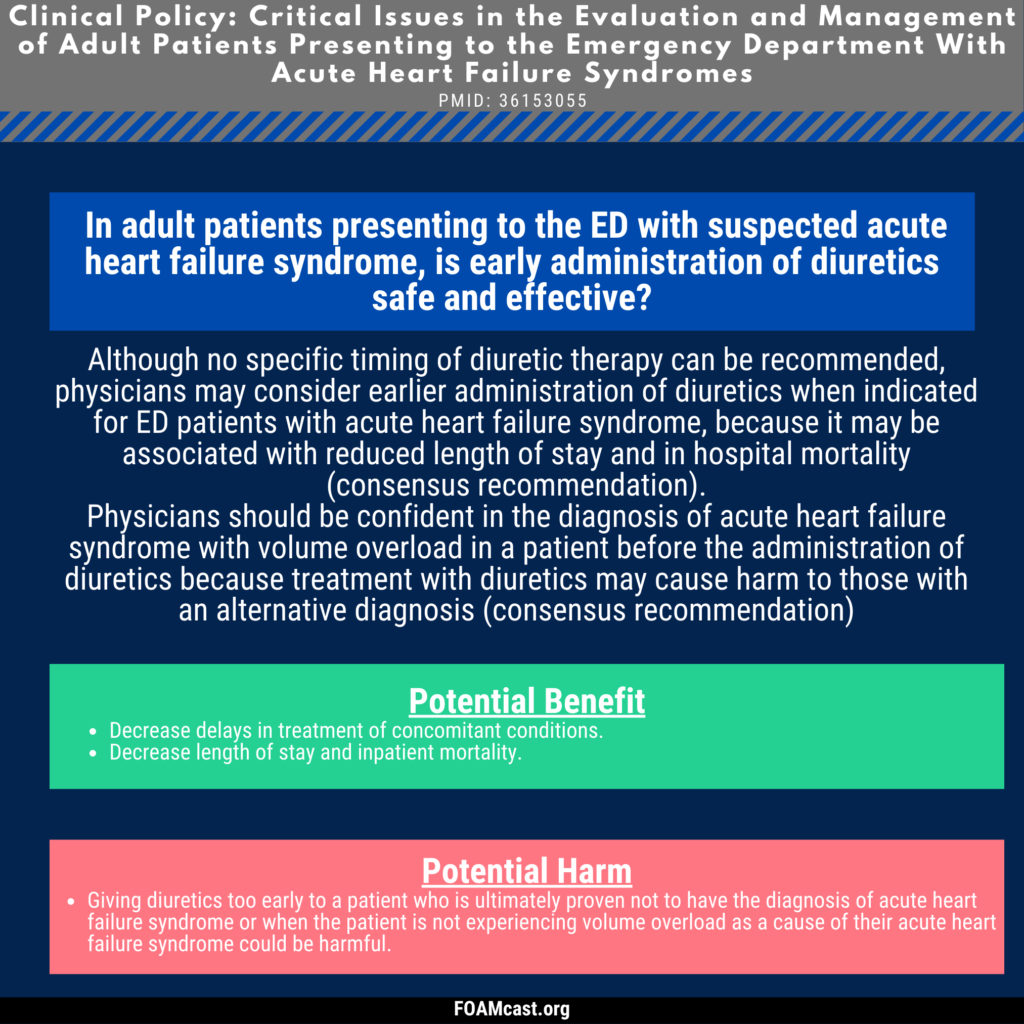
This episode covers the 2022 American College of Emergency Physicians (ACEP) clinical policy on acute heart failure syndromes with a special focus on high-dose nitrates The 2007 ACEP clinical policy can be found here.

References:

  1. American College of Emergency Physicians Clinical Policies Subcommittee (Writing Committee) on Acute Heart Failure Syndromes. Clinical Policy: Critical Issues in the Evaluation and Management of Adult Patients Presenting to the Emergency Department With Acute Heart Failure Syndromes: Approved by ACEP Board of Directors, June 23, 2022. Ann Emerg Med. 2022 Oct;80(4):e31-e59. doi: 10.1016/j.annemergmed.2022.05.027. PMID: 36153055.
  2. Silvers SM, Howell JM, Kosowsky JM, Rokos IC, Jagoda AS; American College of Emergency Physicians. Clinical policy: Critical issues in the evaluation and management of adult patients presenting to the emergency department with acute heart failure syndromes. Ann Emerg Med. 2007 May;49(5):627-69. doi: 10.1016/j.annemergmed.2006.10.024. Epub 2007 Apr 3. Erratum in: Ann Emerg Med. 2010 Jan;55(1):16. PMID: 17408803.
  3. Levy P, Compton S, Welch R, Delgado G, Jennett A, Penugonda N, Dunne R, Zalenski R. Treatment of severe decompensated heart failure with high-dose intravenous nitroglycerin: a feasibility and outcome analysis. Ann Emerg Med. 2007 Aug;50(2):144-52. doi: 10.1016/j.annemergmed.2007.02.022. Epub 2007 May 23. PMID: 17509731.
  4. Cotter G, Metzkor E, Kaluski E, Faigenberg Z, Miller R, Simovitz A, Shaham O, Marghitay D, Koren M, Blatt A, Moshkovitz Y, Zaidenstein R, Golik A. Randomised trial of high-dose isosorbide dinitrate plus low-dose furosemide versus high-dose furosemide plus low-dose isosorbide dinitrate in severe pulmonary oedema. Lancet. 1998 Feb 7;351(9100):389-93. doi: 10.1016/S0140-6736(97)08417-1. PMID: 9482291.
  5. Wilson SS, Kwiatkowski GM, Millis SR, Purakal JD, Mahajan AP, Levy PD. Use of nitroglycerin by bolus prevents intensive care unit admission in patients with acute hypertensive heart failure. Am J Emerg Med. 2017 Jan;35(1):126-131. doi: 10.1016/j.ajem.2016.10.038. Epub 2016 Oct 18. PMID: 27825693.
  6. Wang K, Samai K. Role of high-dose intravenous nitrates in hypertensive acute heart failure. Am J Emerg Med. 2020 Jan;38(1):132-137. doi: 10.1016/j.ajem.2019.06.046. Epub 2019 Jun 25. PMID: 31327485.
  7. Perlmutter MC, Cohen MW, Stratton NS, Conterato M. Prehospital Treatment of Acute Pulmonary Edema with Intravenous Bolus and Infusion Nitroglycerin. Prehosp Disaster Med. 2020 Dec;35(6):663-668. doi: 10.1017/S1049023X20001193. Epub 2020 Oct 7. PMID: 33023684.

STEMI Equivalent Update – 2022 ACC Consensus Statement

Apple Podcasts, Spotify, or Listen Here

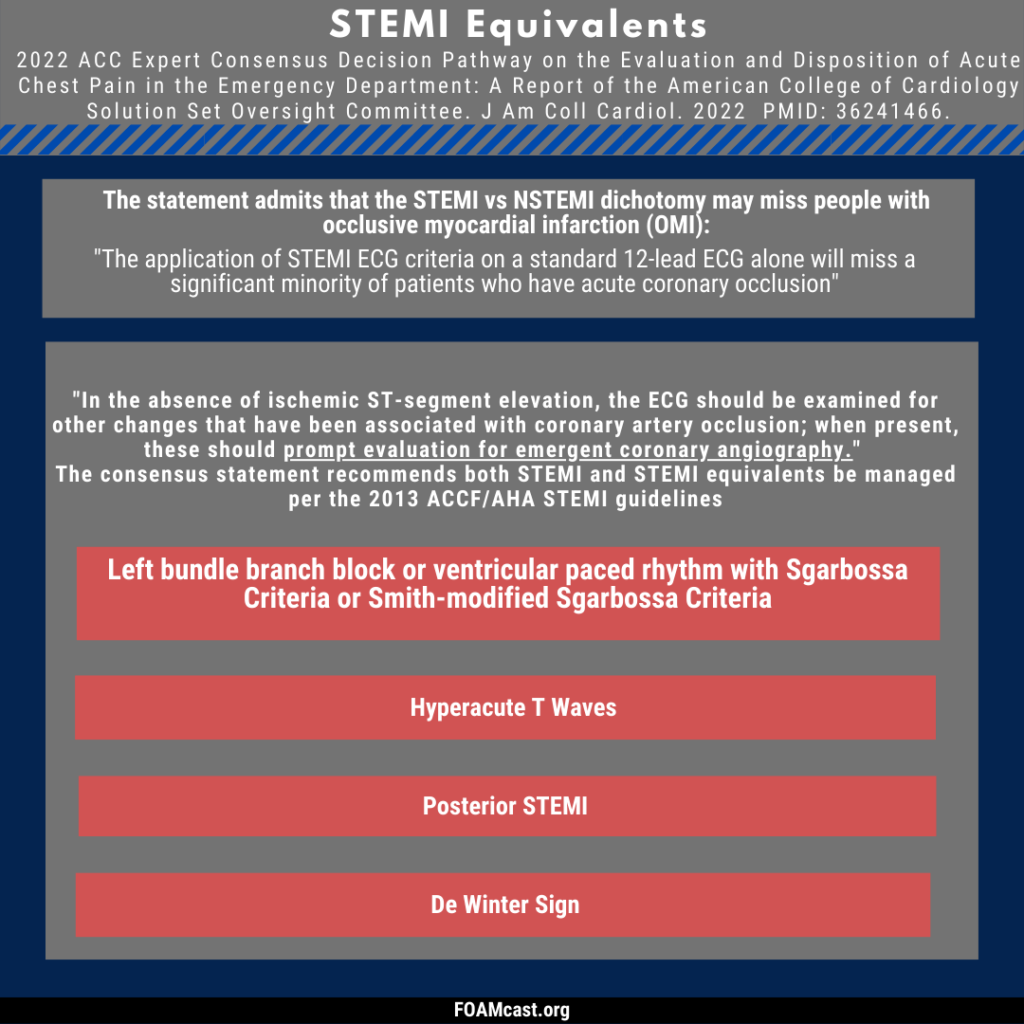
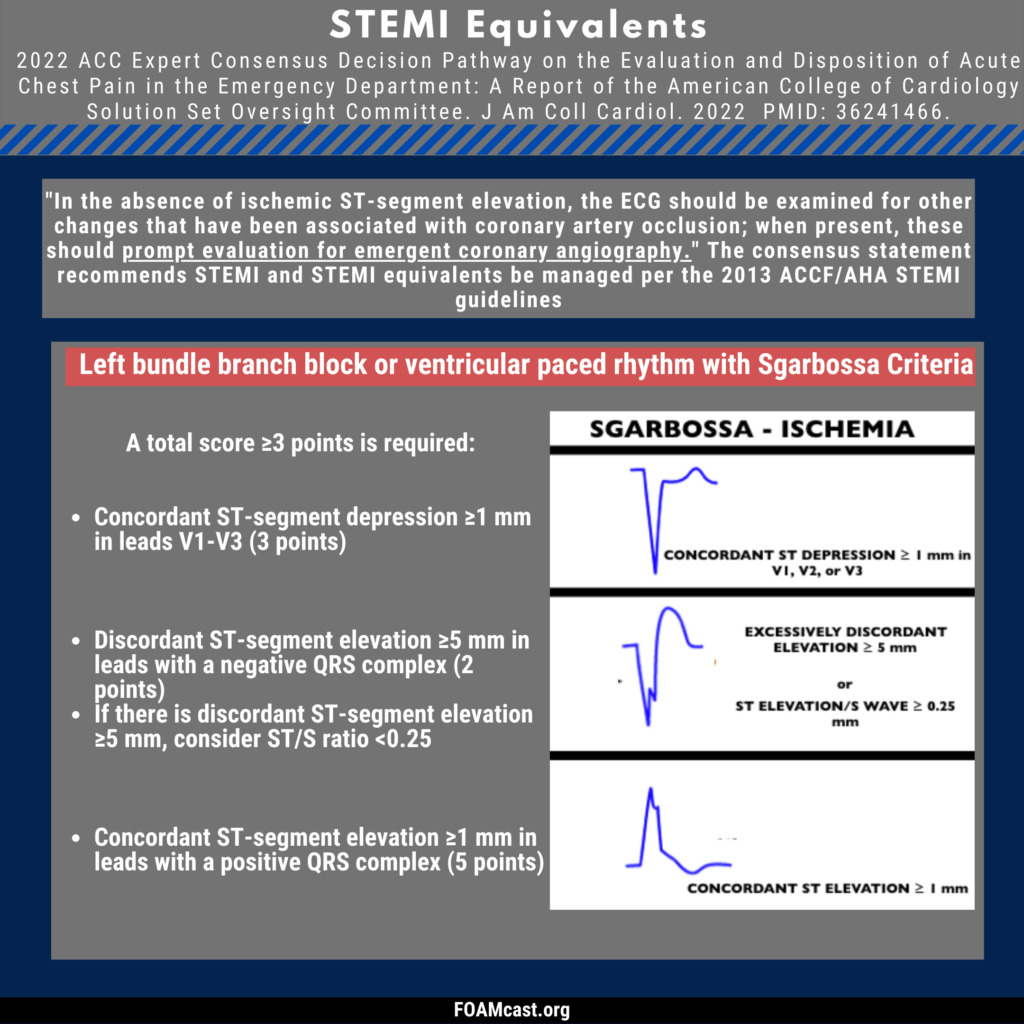
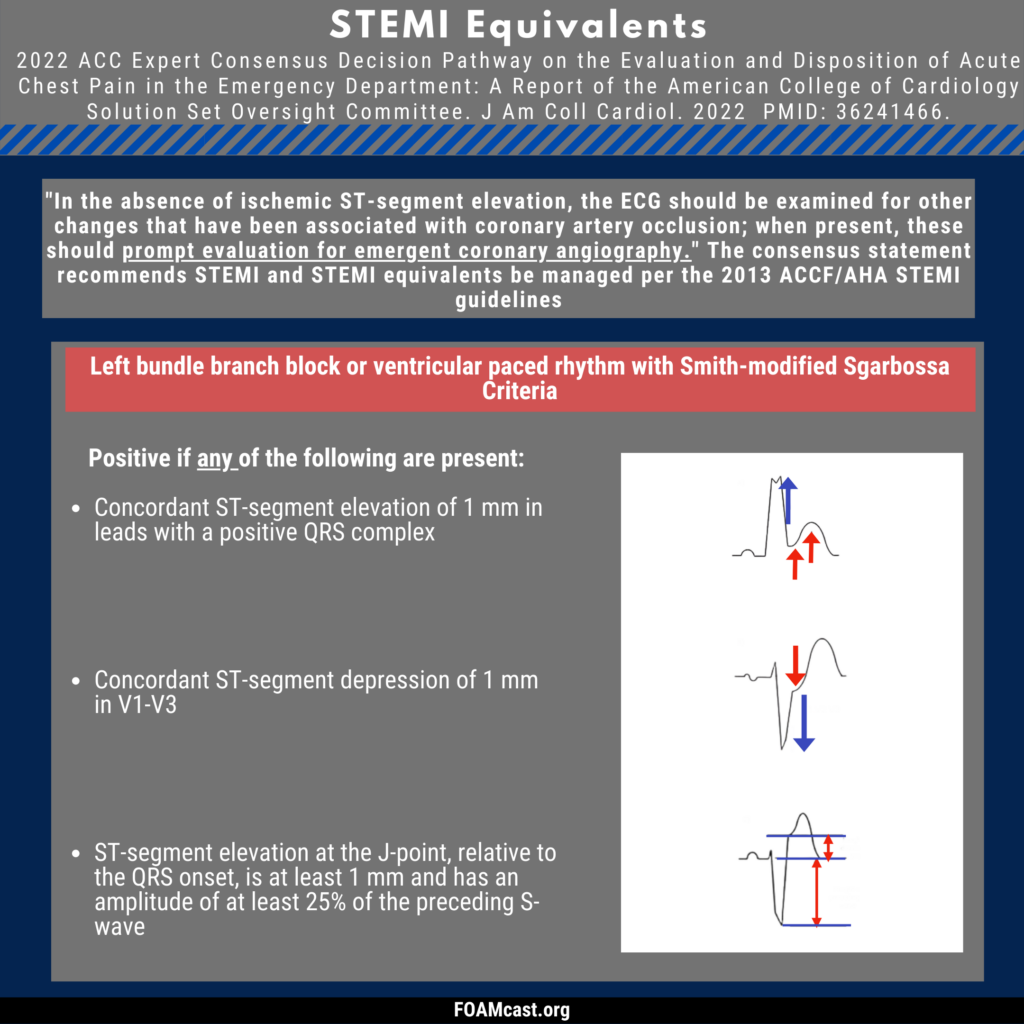
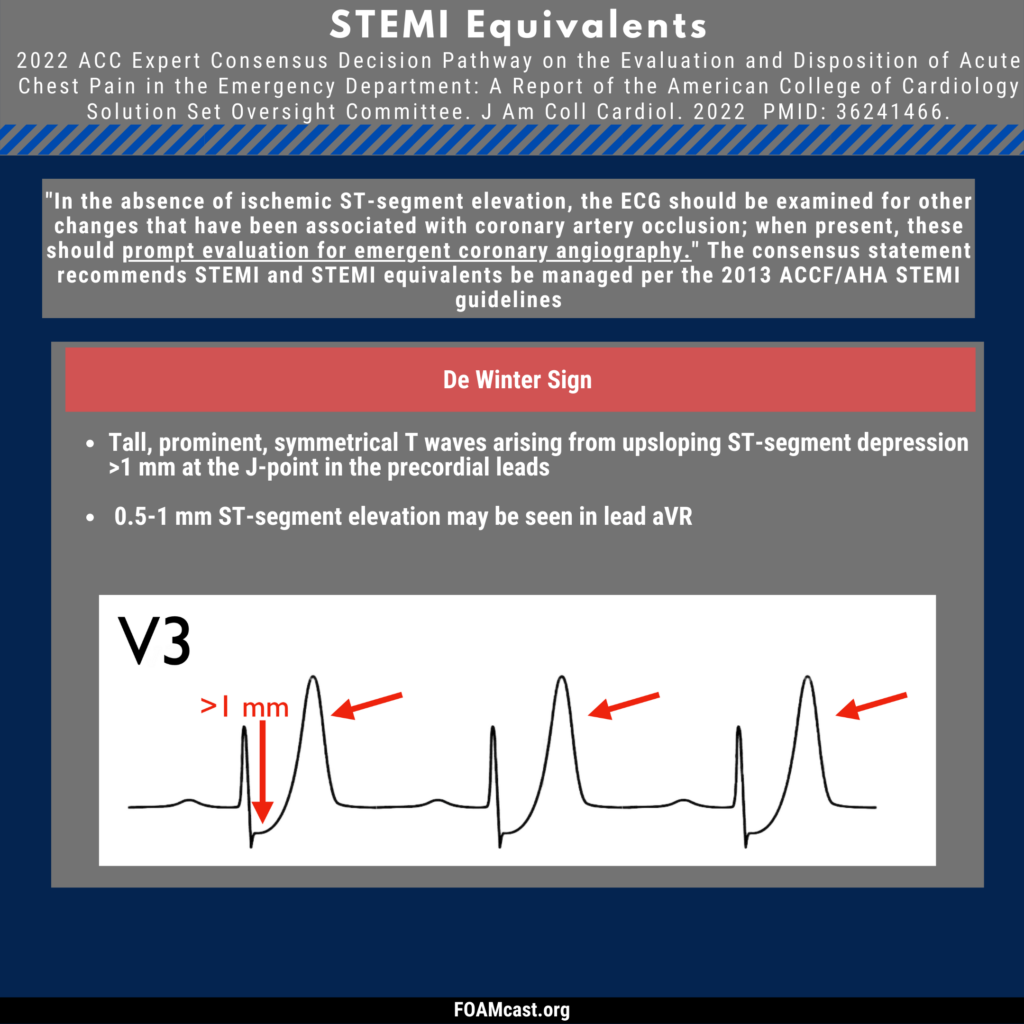
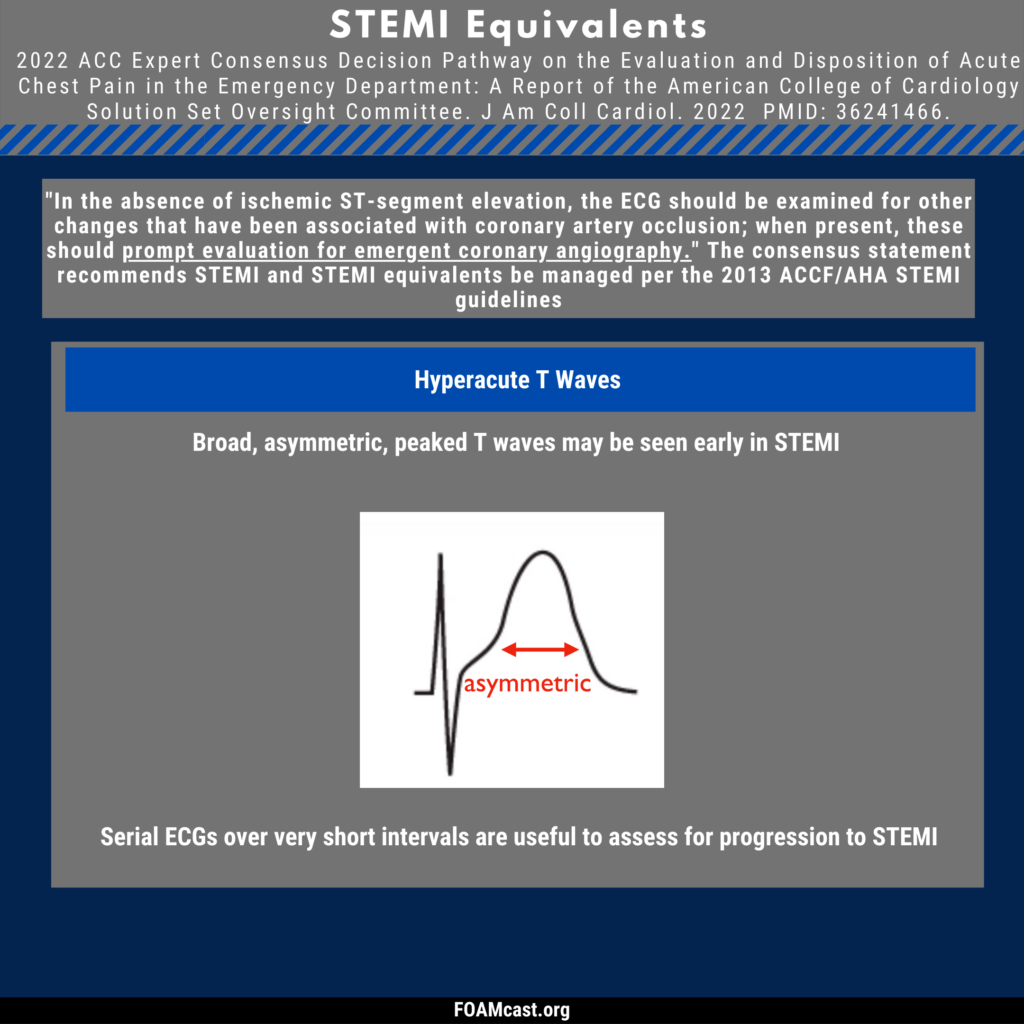
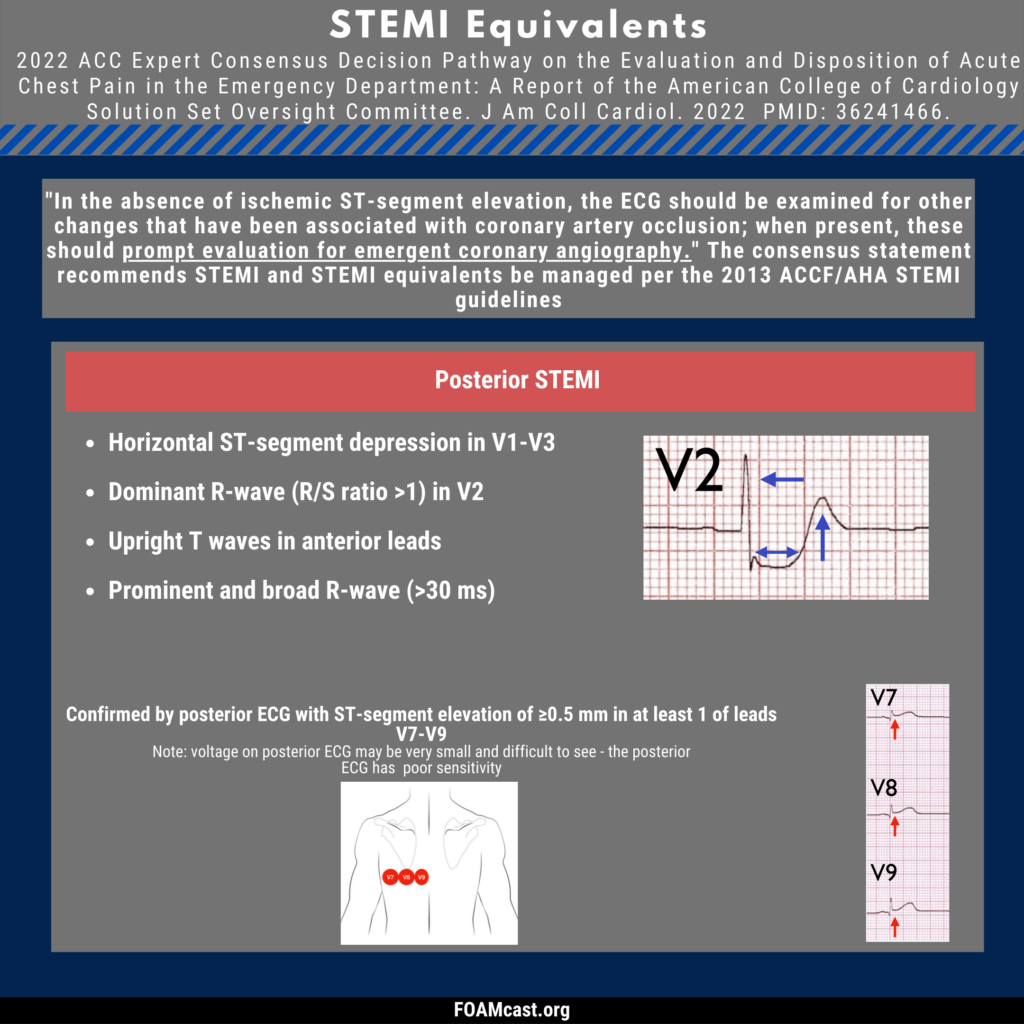
The American College of Cardiology released a new consensus statement, “Expert Consensus Decision Pathway on the Evaluation and Disposition of Acute Chest Pain in the Emergency Department: A Report of the American College of Cardiology Solution Set Oversight Committee“. This document has several algorithms for managing chest pain – from high-sensitivity troponin algorithms to chest pain risk disposition pathways. However, one major update is the incorporation of several “STEMI” equivalents.

It has become increasingly publicized, primarily due to Stephen Smith and Pendell Meyers, that the STEMI vs NSTEMI dichotomy neglects many patients who may benefit from reperfusion due to Occlusion Myocardial Infarctions. This update incorporates some other signs as “STEMI Equivalents” and recommends these patients be treated just as those with STEMI.

Pulse Checks During Cardiopulmonary Resuscitation

Apple Podcasts, Spotify, Listen Here

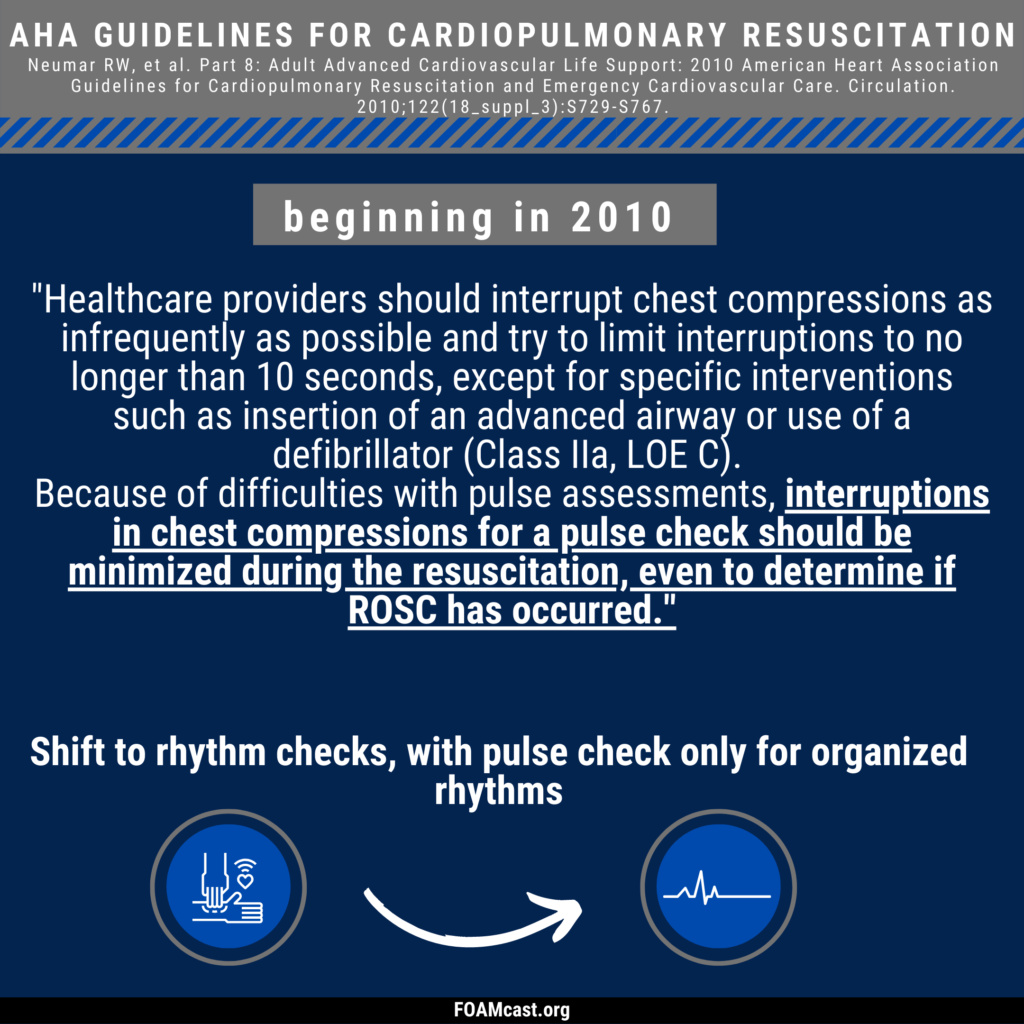
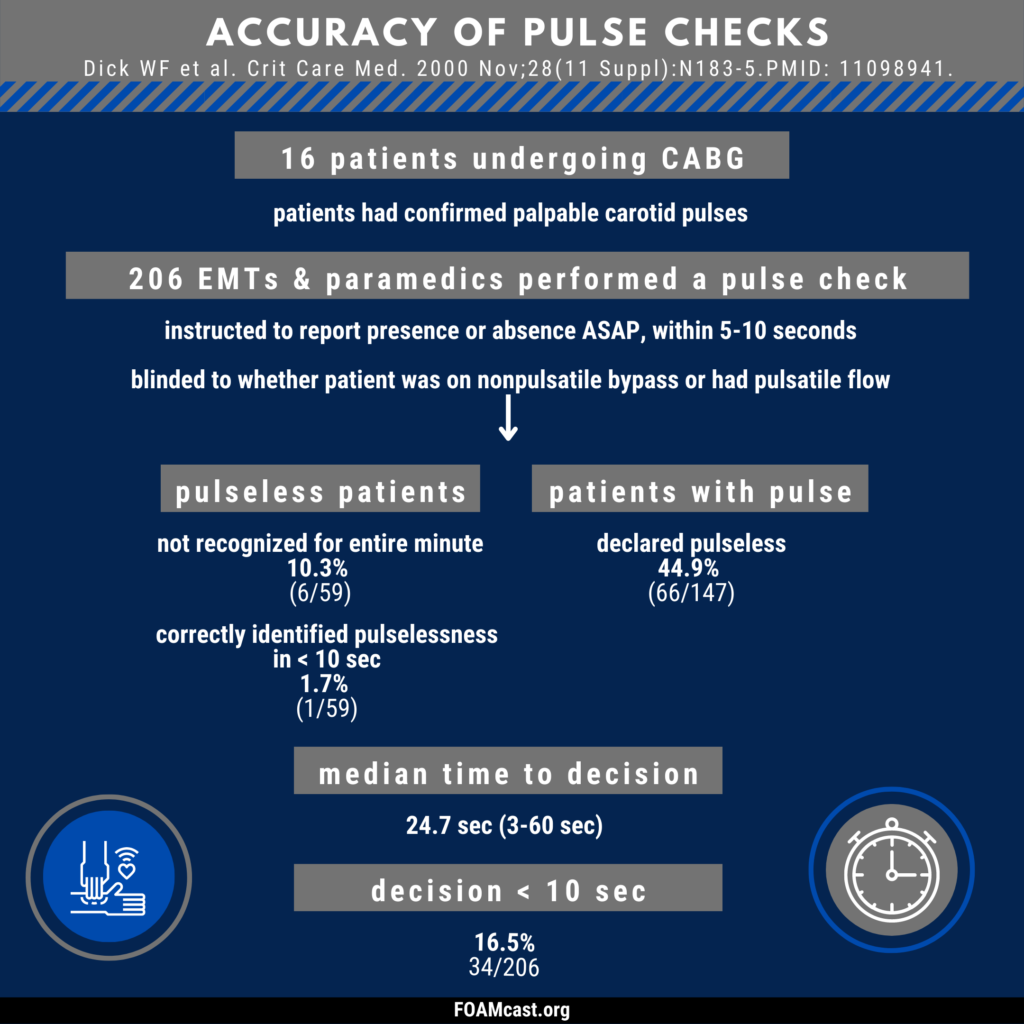
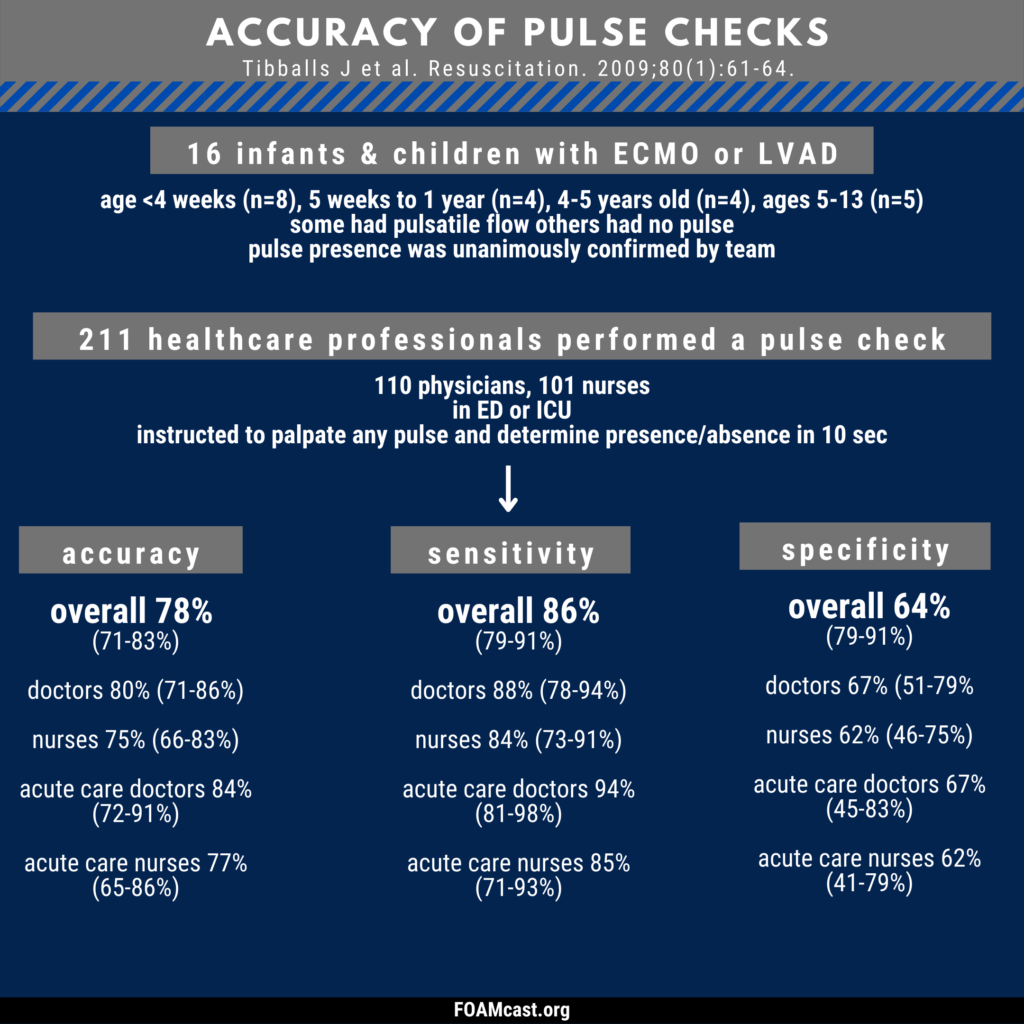
Since 2010, the American Heart Association (AHA) guidelines for cardiopulmonary resuscitation (CPR) have recommended against routine pulse checks during CPR. More than a decade has elapsed since this time, yet many people are continuing to perform pulse checks every couple of minutes during CPR. In this episode, and in this ACEPnow article, we discuss the literature around this.

Neumar RW et al. Part 8: adult advanced cardiovascular life support: 2010 American Heart Association Guidelines for Cardiopulmonary Resuscitation and Emergency Cardiovascular Care. Circulation. 2010 Nov 2;122(18 Suppl 3):S729-67. doi: 10.1161/CIRCULATIONAHA.110.970988. PMID: 20956224.
Dick WF, Eberle B, Wisser G, Schneider T. The carotid pulse check revisited: What if there is no pulse? Crit Care Med. 2000;28(11 Suppl):N183–5.
Tibballs J, Russell P. Reliability of pulse palpation by healthcare personnel to diagnose paediatric cardiac arrest. Resuscitation. 2009 Jan;80(1):61-4. doi: 10.1016/j.resuscitation.2008.10.002. Epub 2008 Nov 6. PMID: 18992985.

Cummins RO, Hazinski MF. Cardiopulmonary resuscitation techniques and instruction: When does evidence justify revision? Ann Emerg Med. 1999;34(6):780–784.