Apple Podcasts, Spotify, Listen Here
Apple Podcasts, Spotify, Listen Here
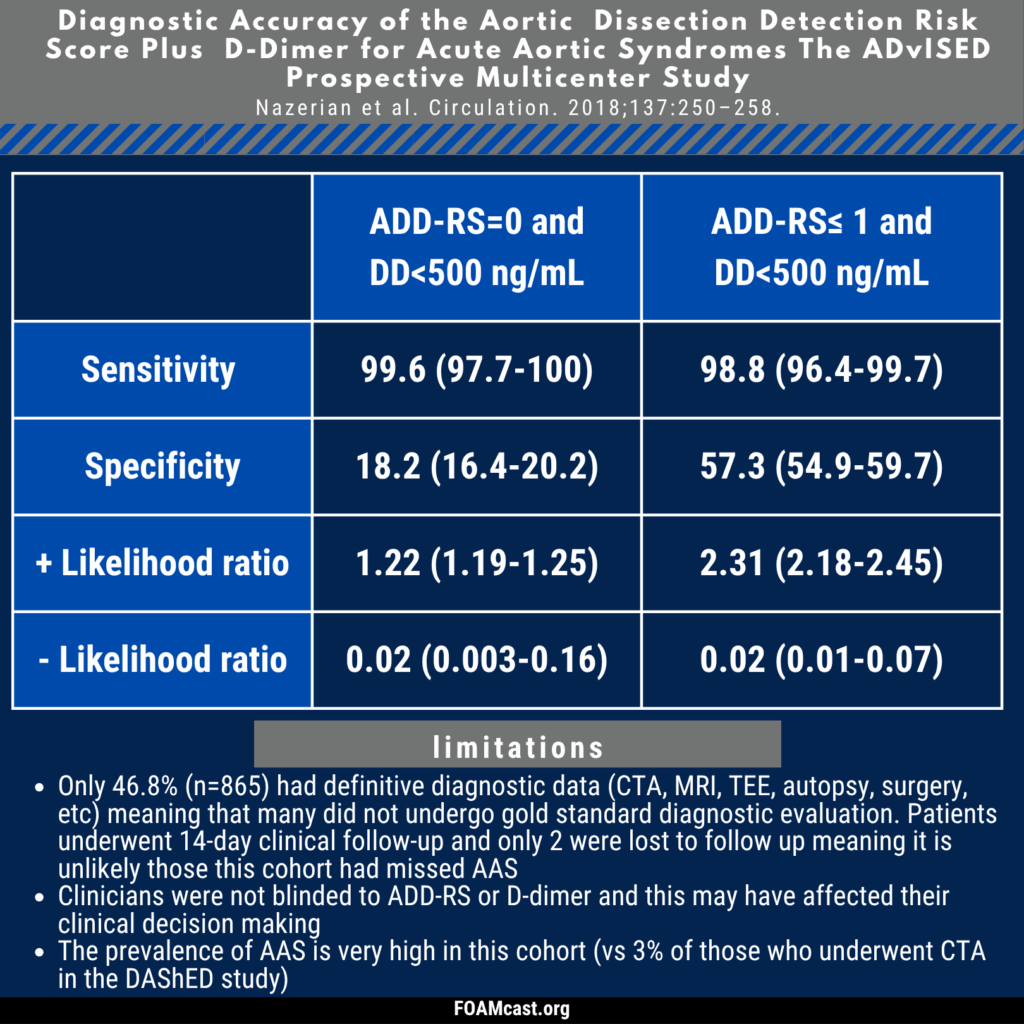
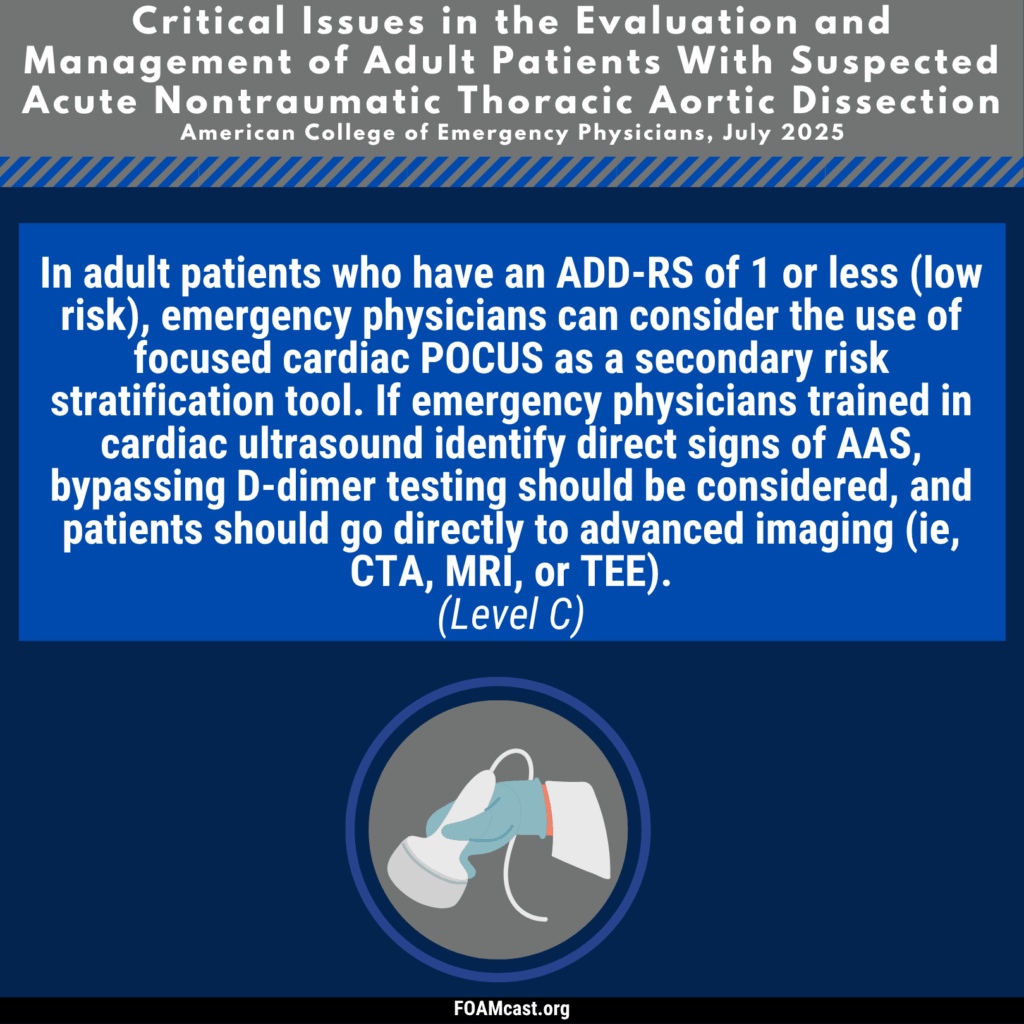
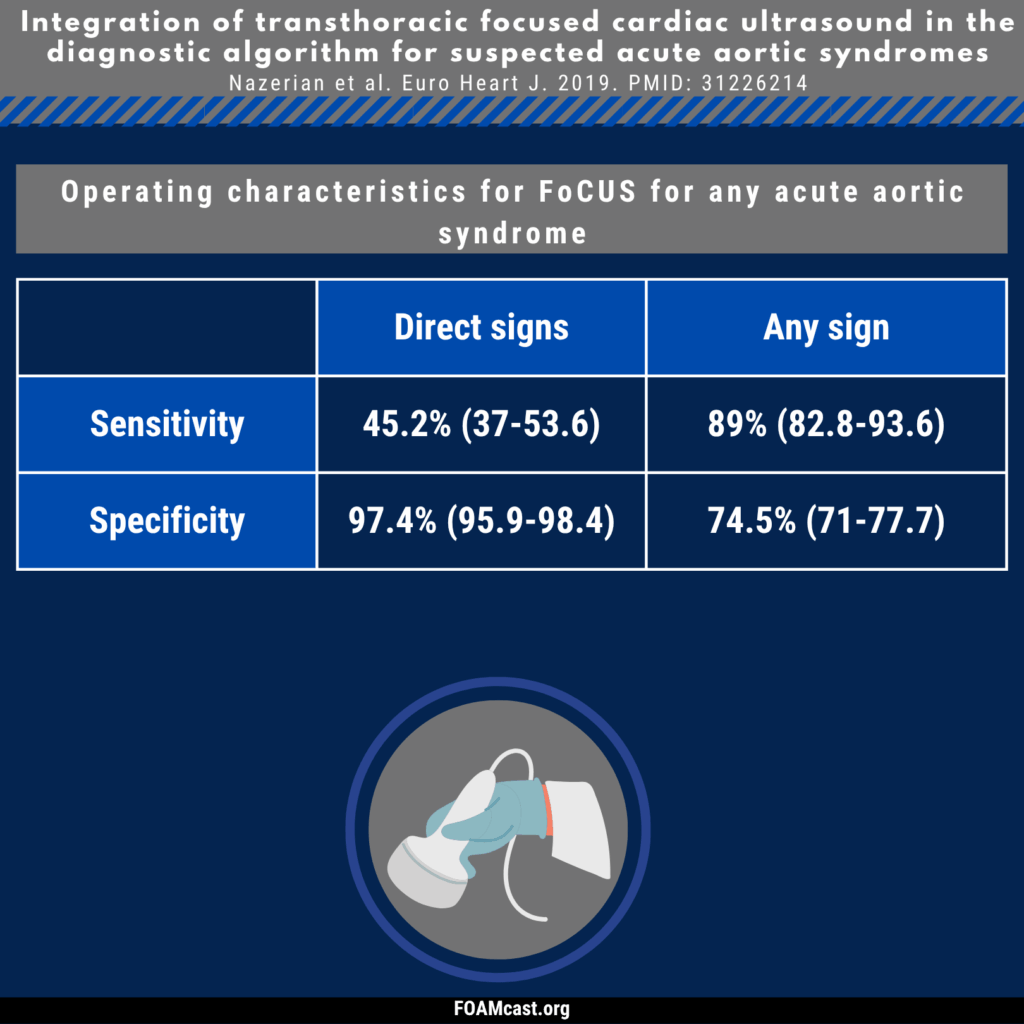
In this episode, we review a new clinical policy from the American College of Emergency Physicians (ACEP) on the use of risk stratification tools (ADD-RS) and D-dimer to exclude non-traumatic thoracic aortic dissection.


Apple Podcasts, Spotify, Listen Here
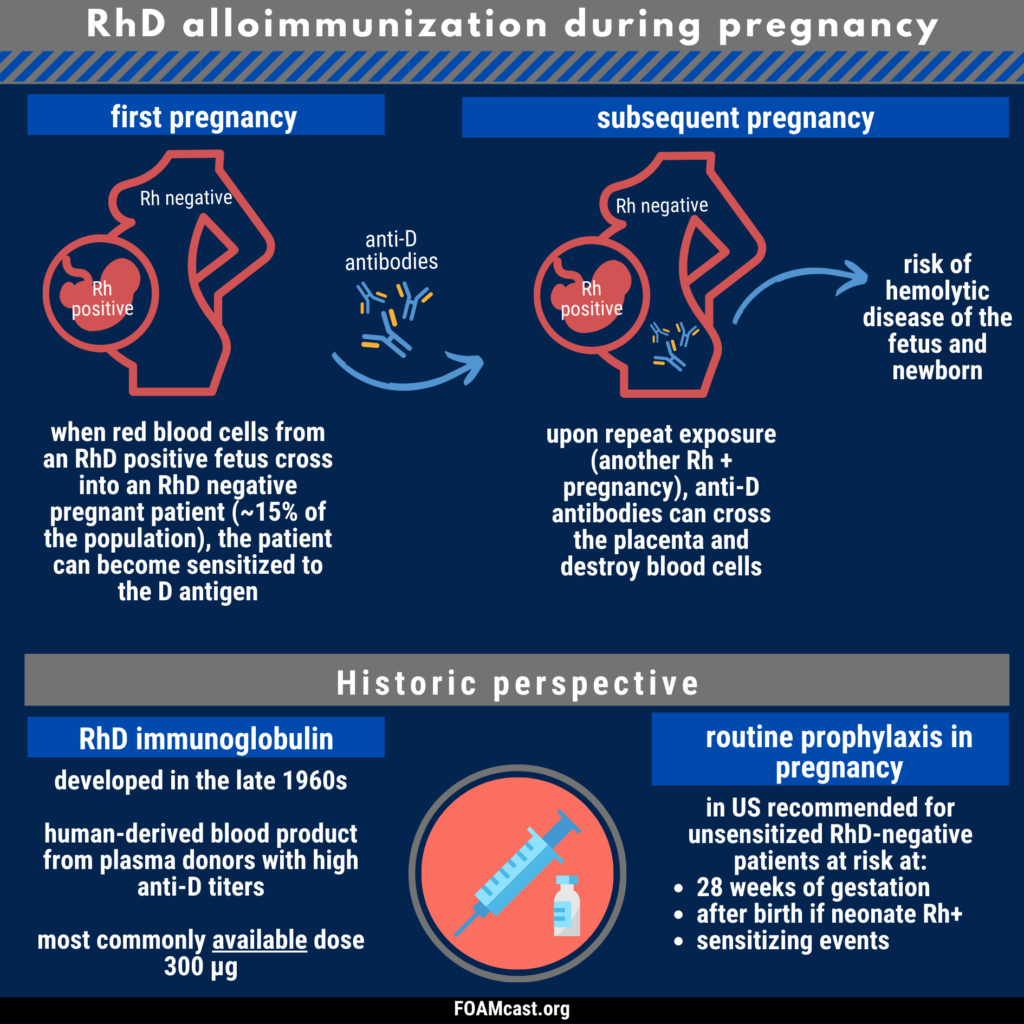
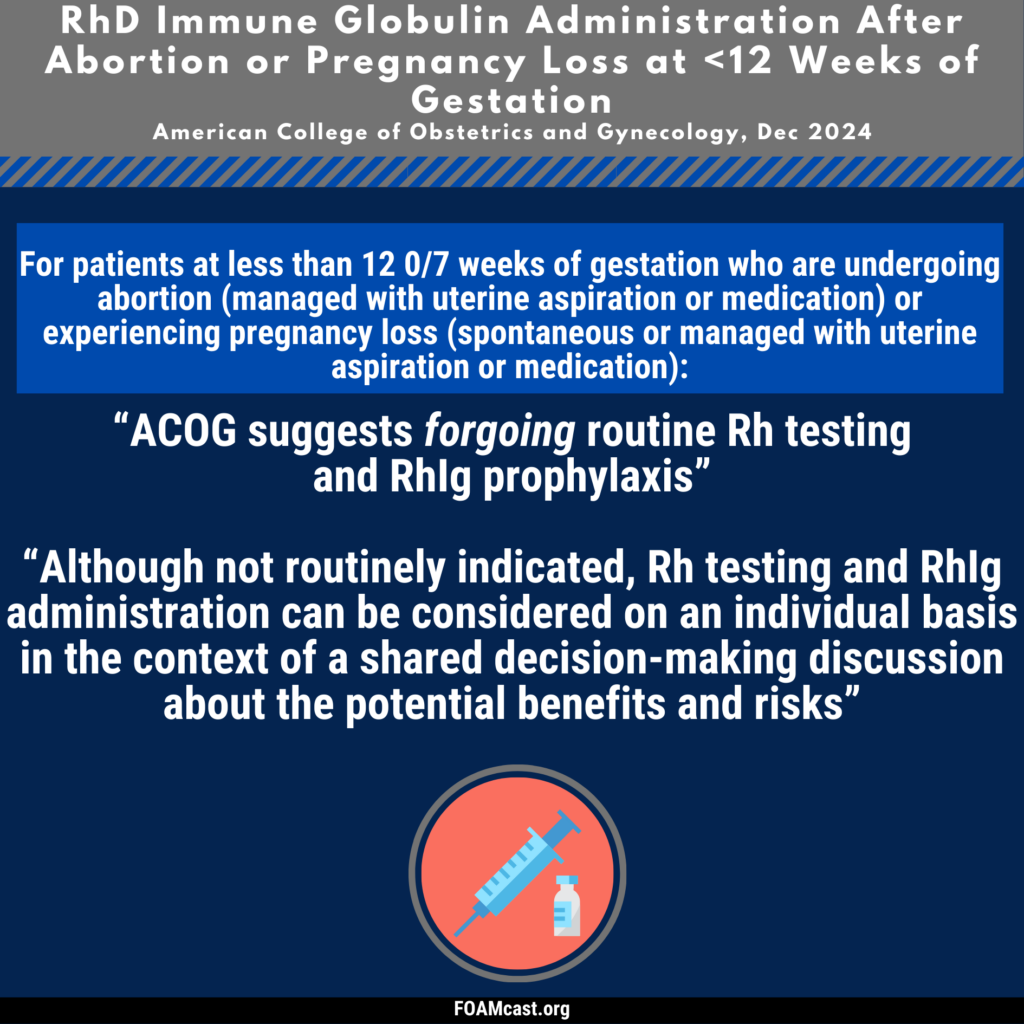
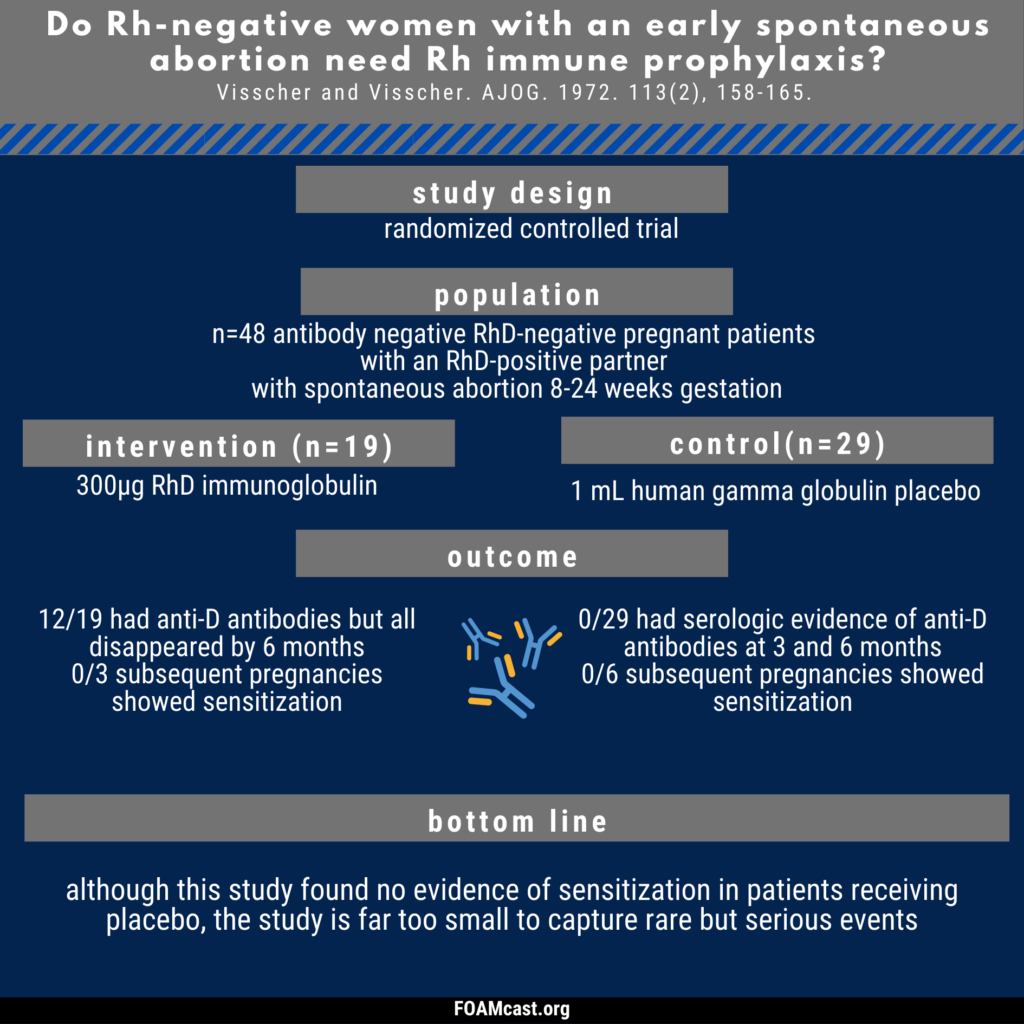
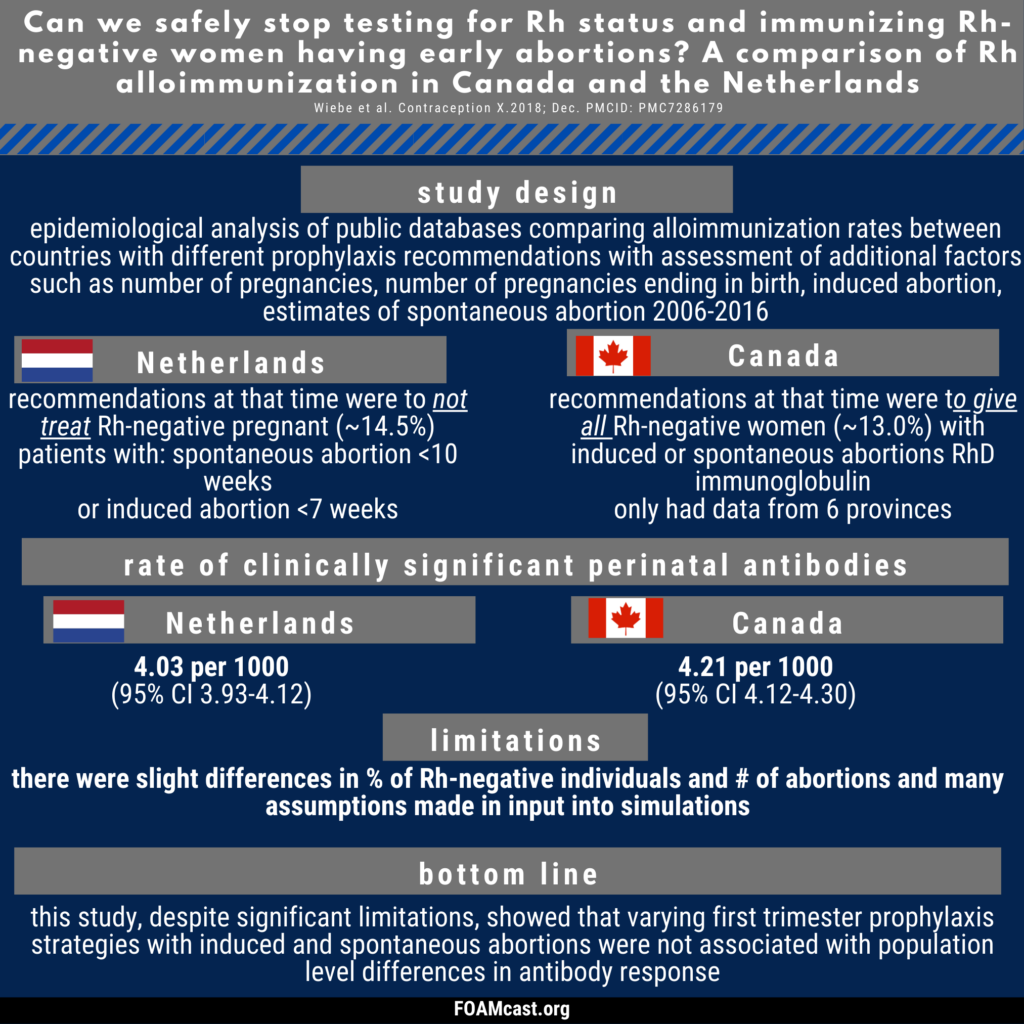
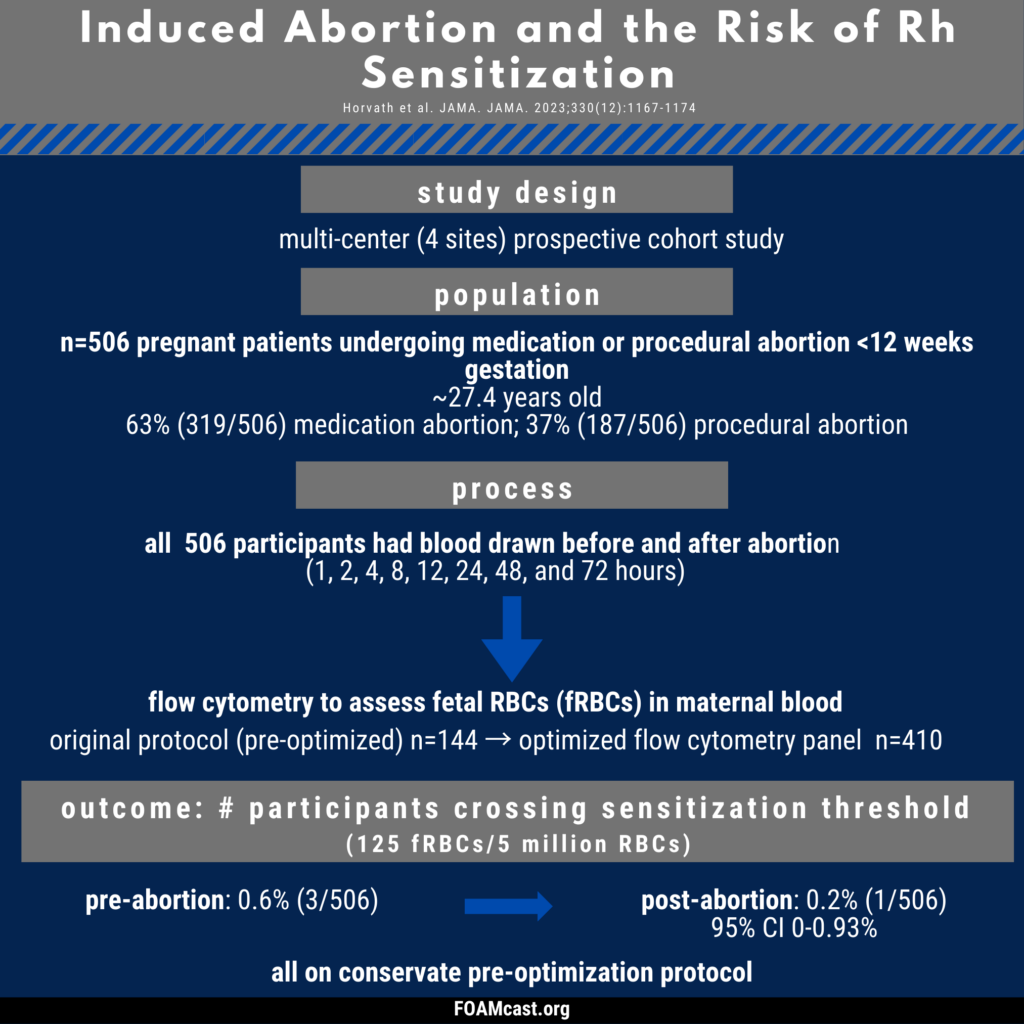
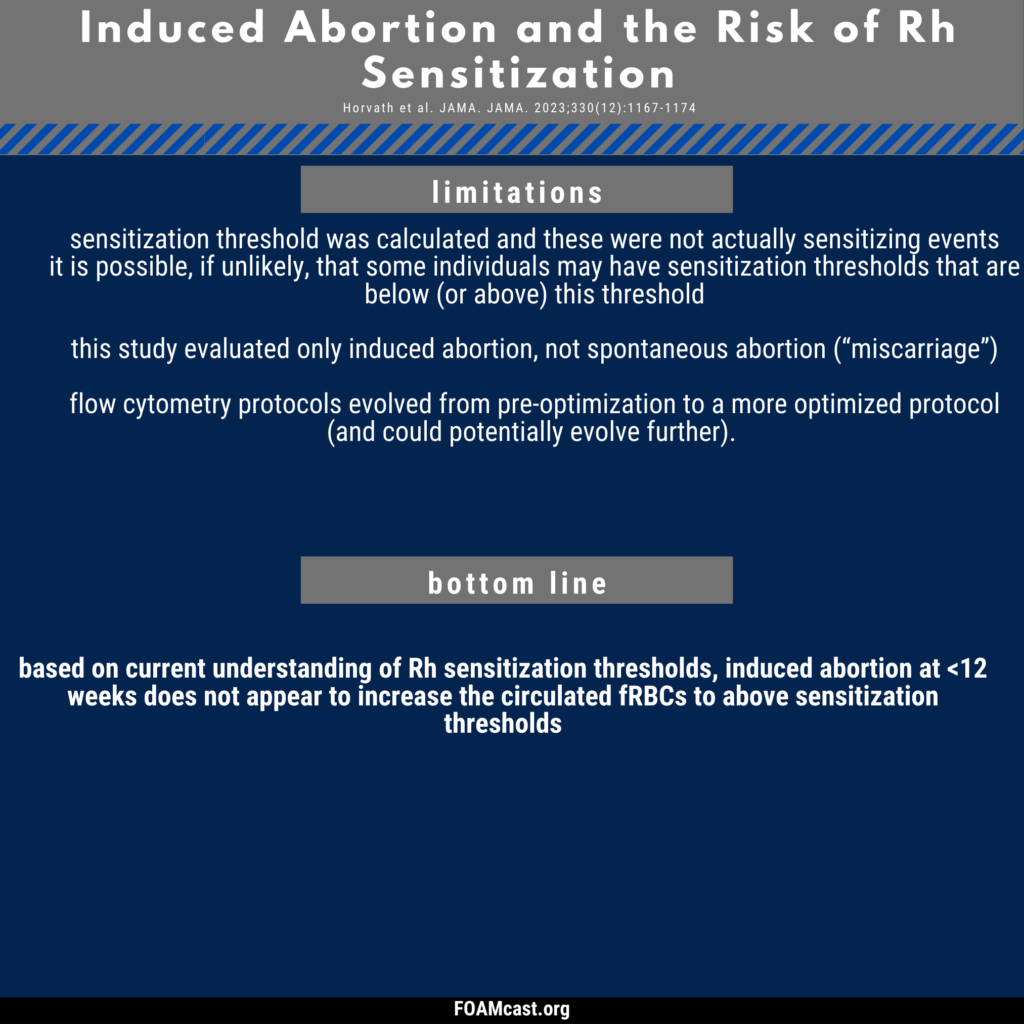
Historically, care of patients in the emergency department (ED) in the first trimester with any kind of abortion (e.g. spontaneous “miscarriage”) underwent blood type and Rh testing followed by RhD immunoglobulin prophylaxis if Rh+. However, many guidelines now recommend foregoing this process in first trimester abortion (spontaneous or induced). In this episode, we dive into the evidence behind these varying recommendations.
Apple Podcasts, Spotify, Listen Here
Summary in ACEPNow can be found here
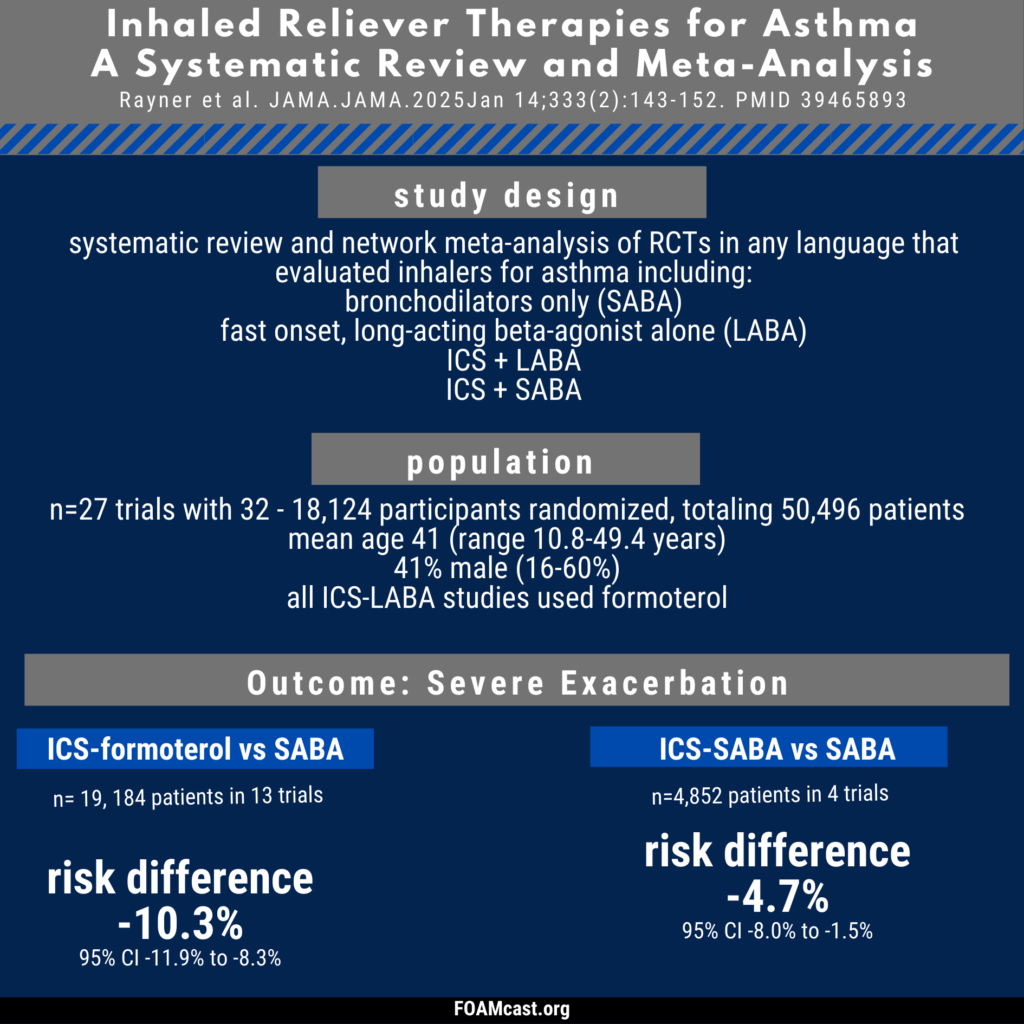
Rayner DG et al. Inhaled Reliever Therapies for Asthma: A Systematic Review and Meta-Analysis. JAMA. 2025 Jan 14;333(2):143-152. doi: 10.1001/jama.2024.22700. PMID: 39465893; PMCID: PMC11519786.
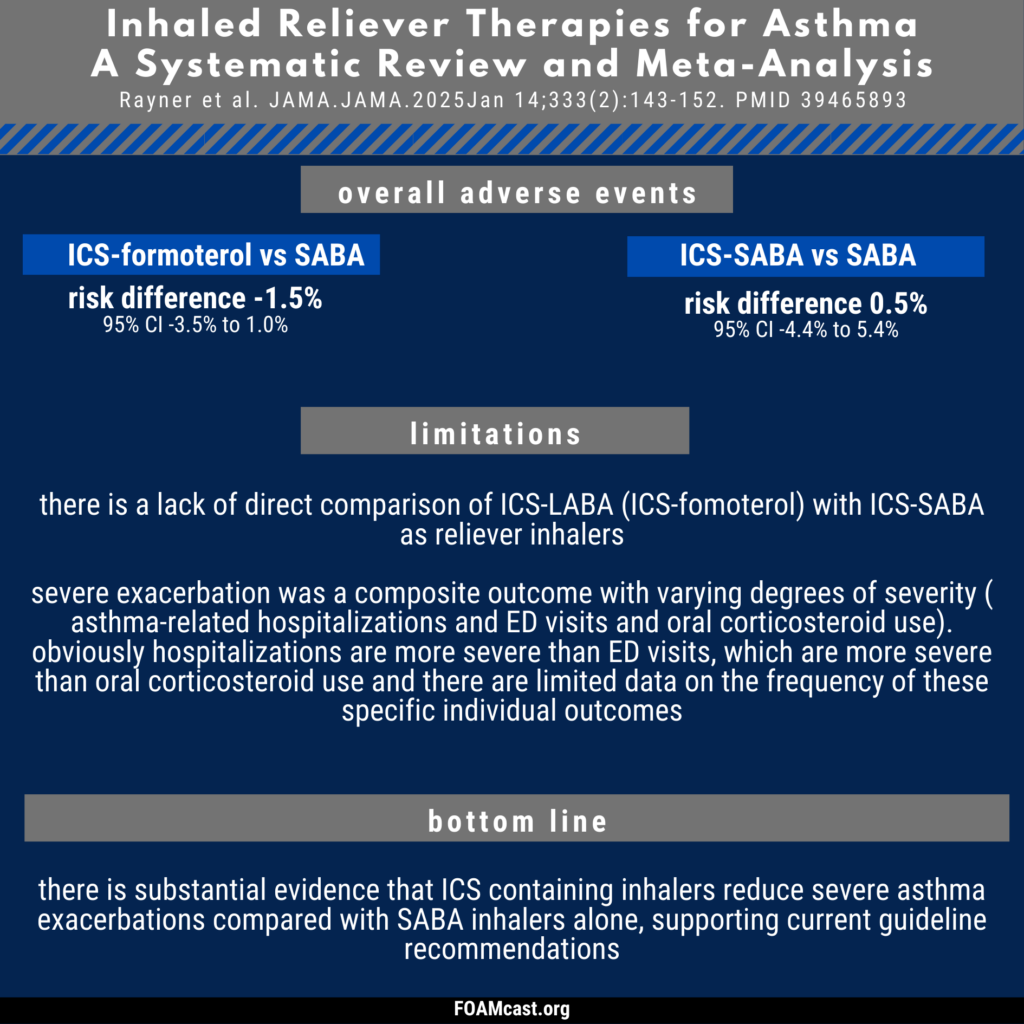
Rayner DG et al. Inhaled Reliever Therapies for Asthma: A Systematic Review and Meta-Analysis. JAMA. 2025 Jan 14;333(2):143-152. doi: 10.1001/jama.2024.22700. PMID: 39465893; PMCID: PMC11519786.
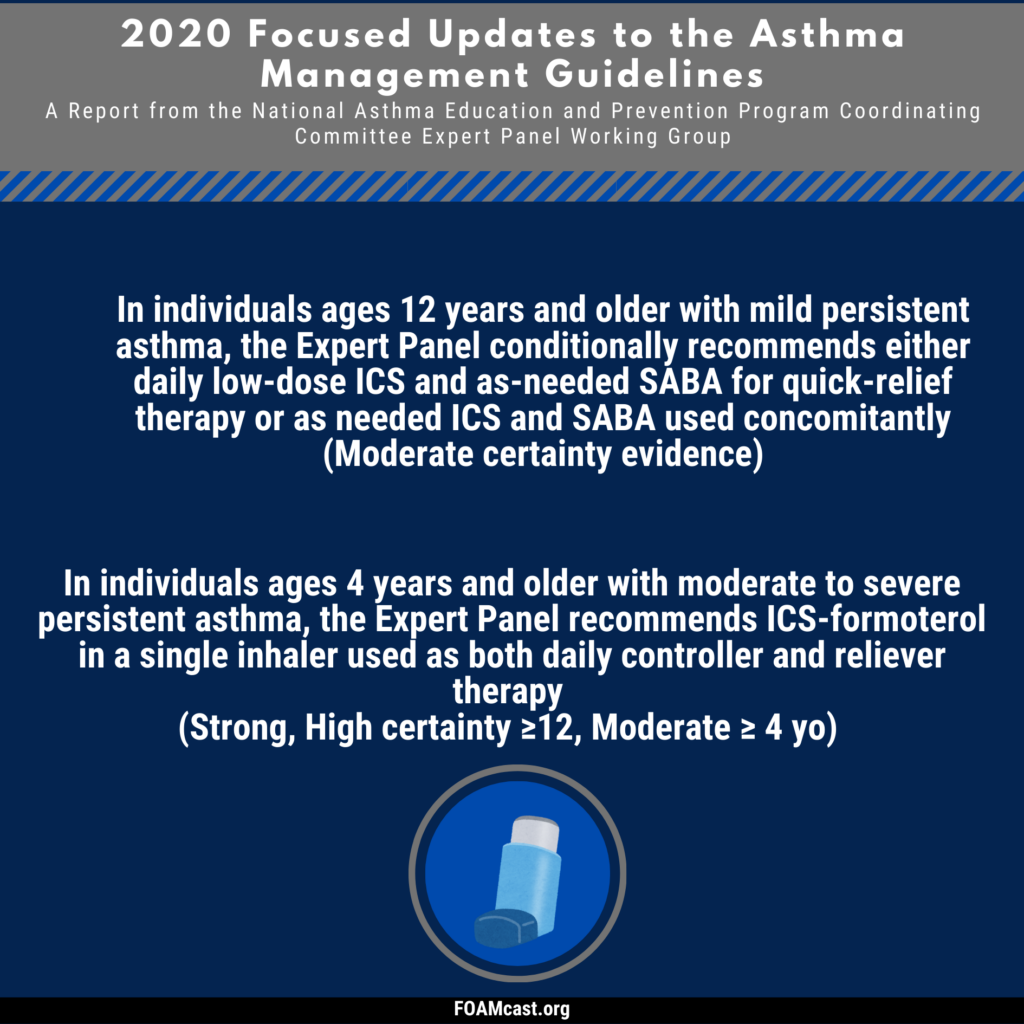
Apple Podcasts, Spotify, Listen Here
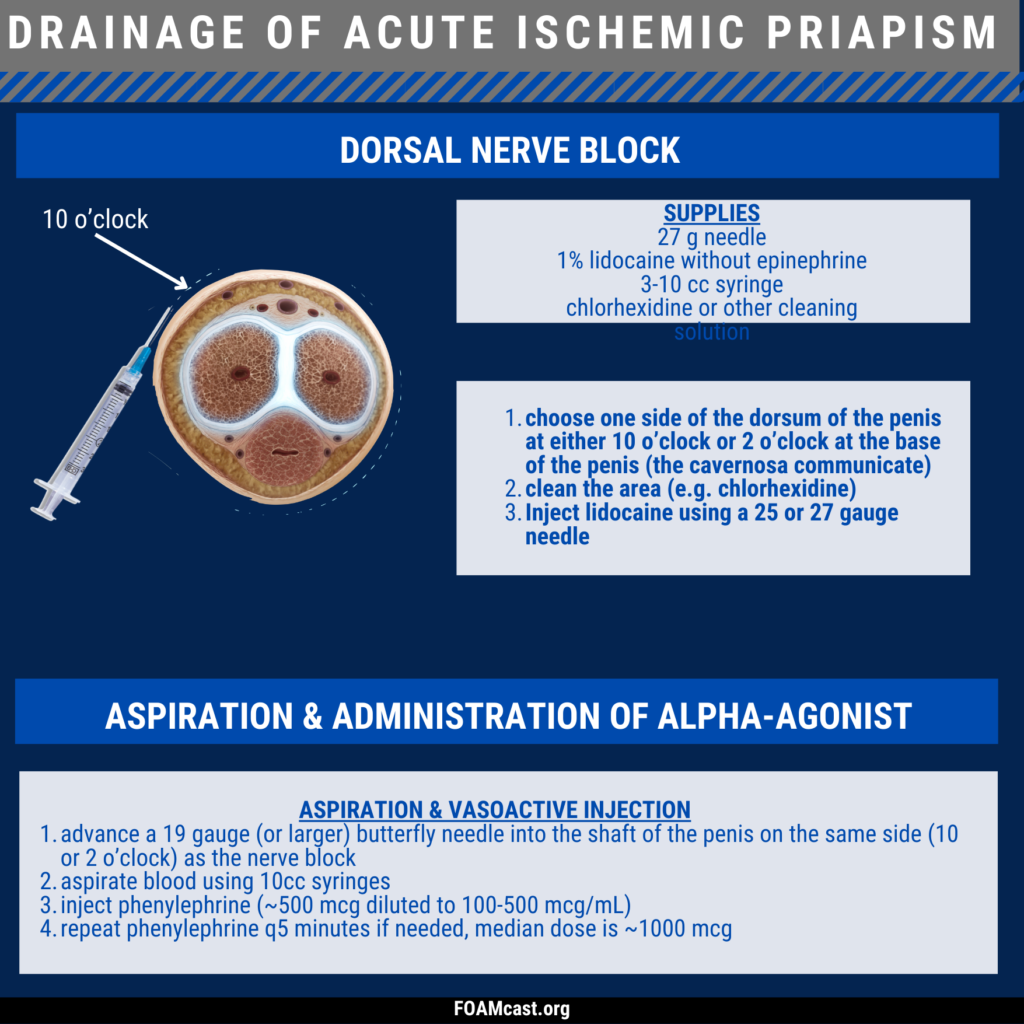
This episodes reviews the treatment of acute ischemic priapism, focusing the guidelines from the American Urological Association.
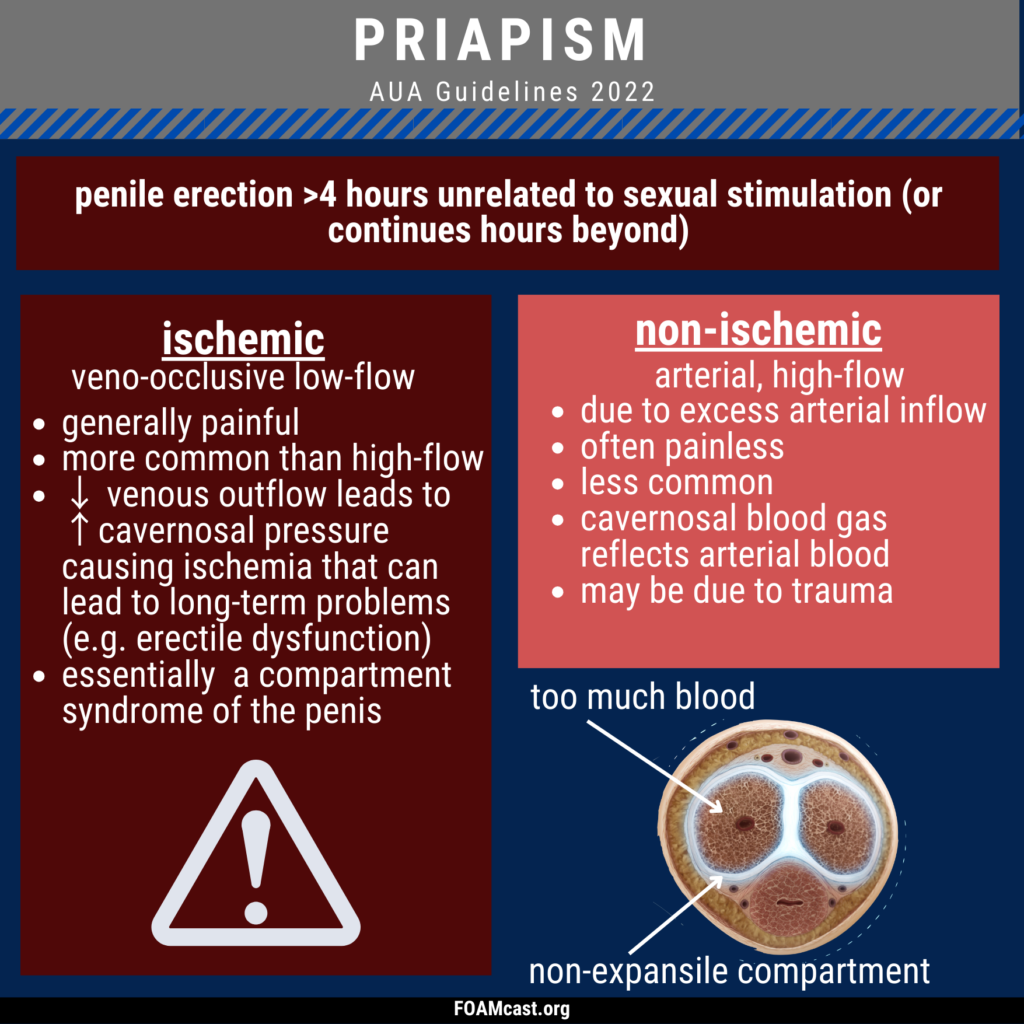
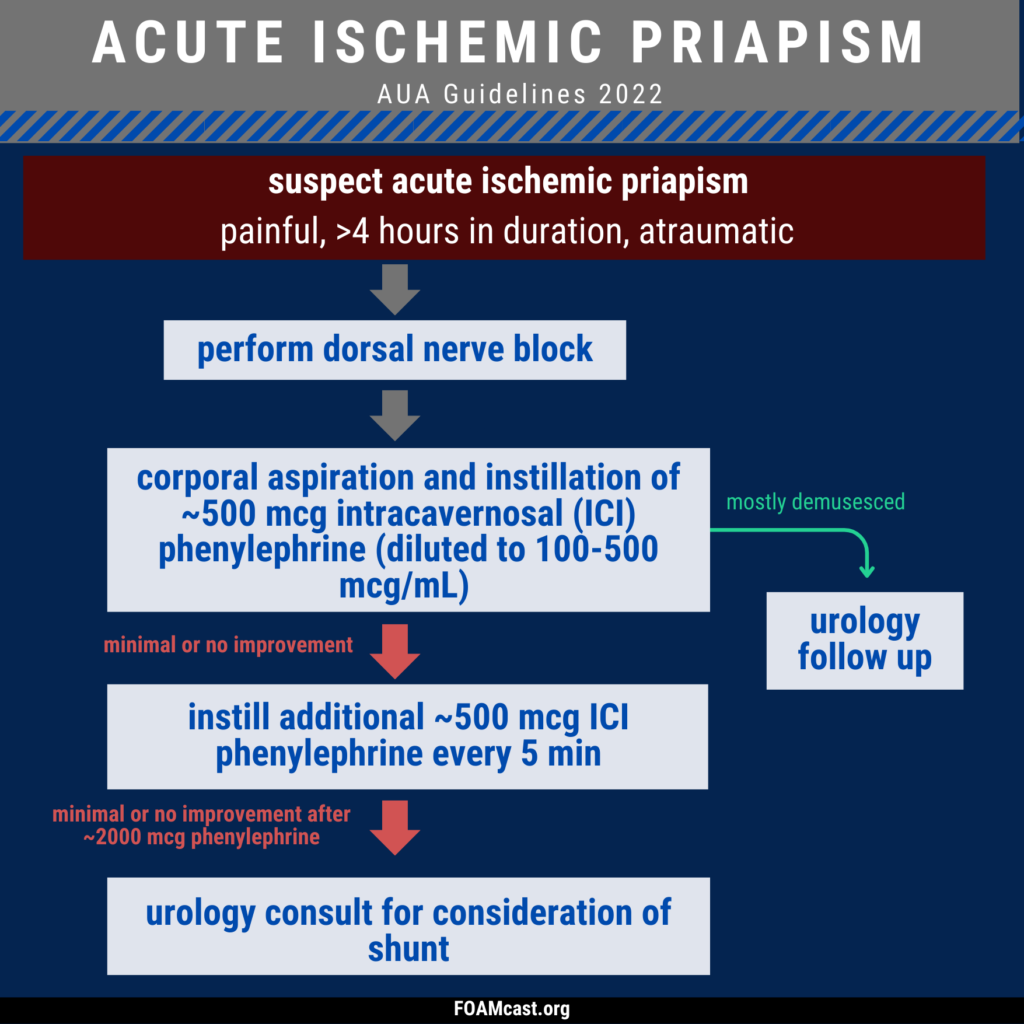
Apple Podcasts, Spotify, Listen Here
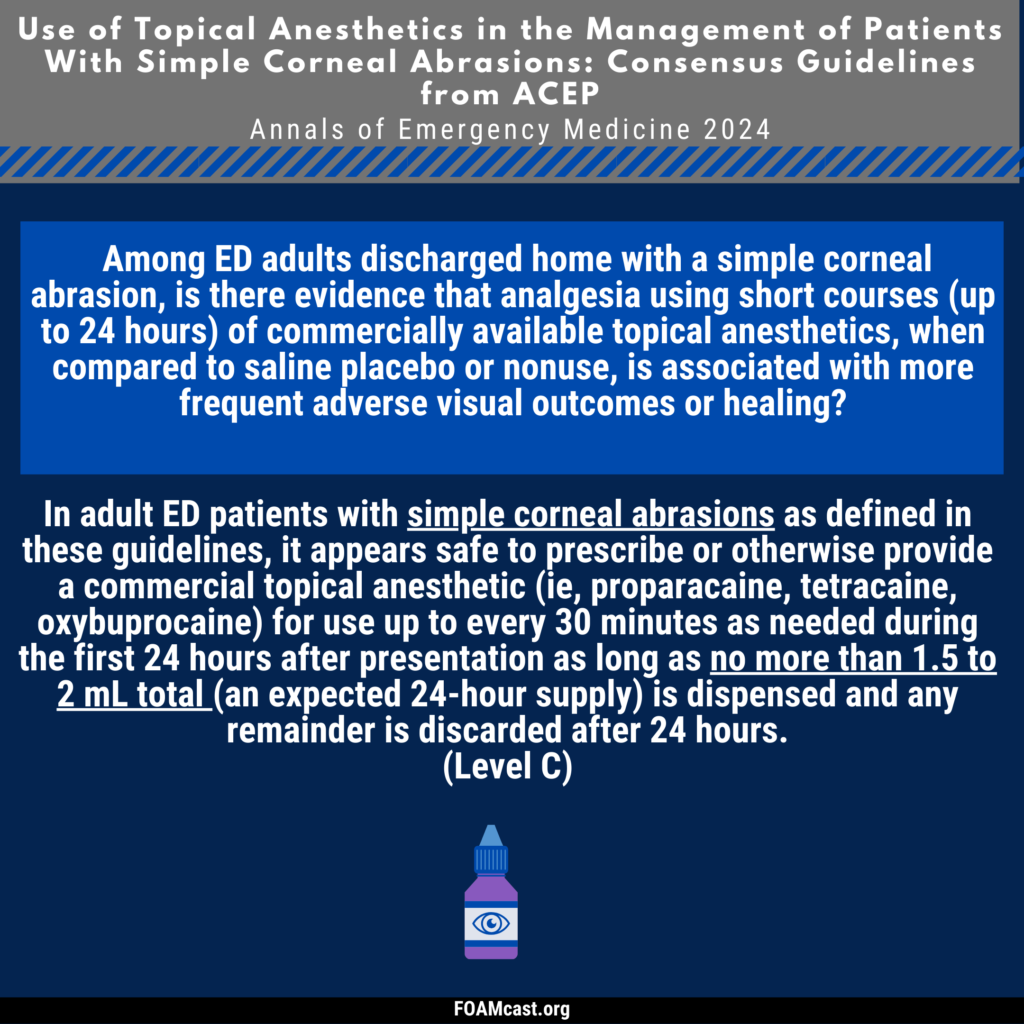
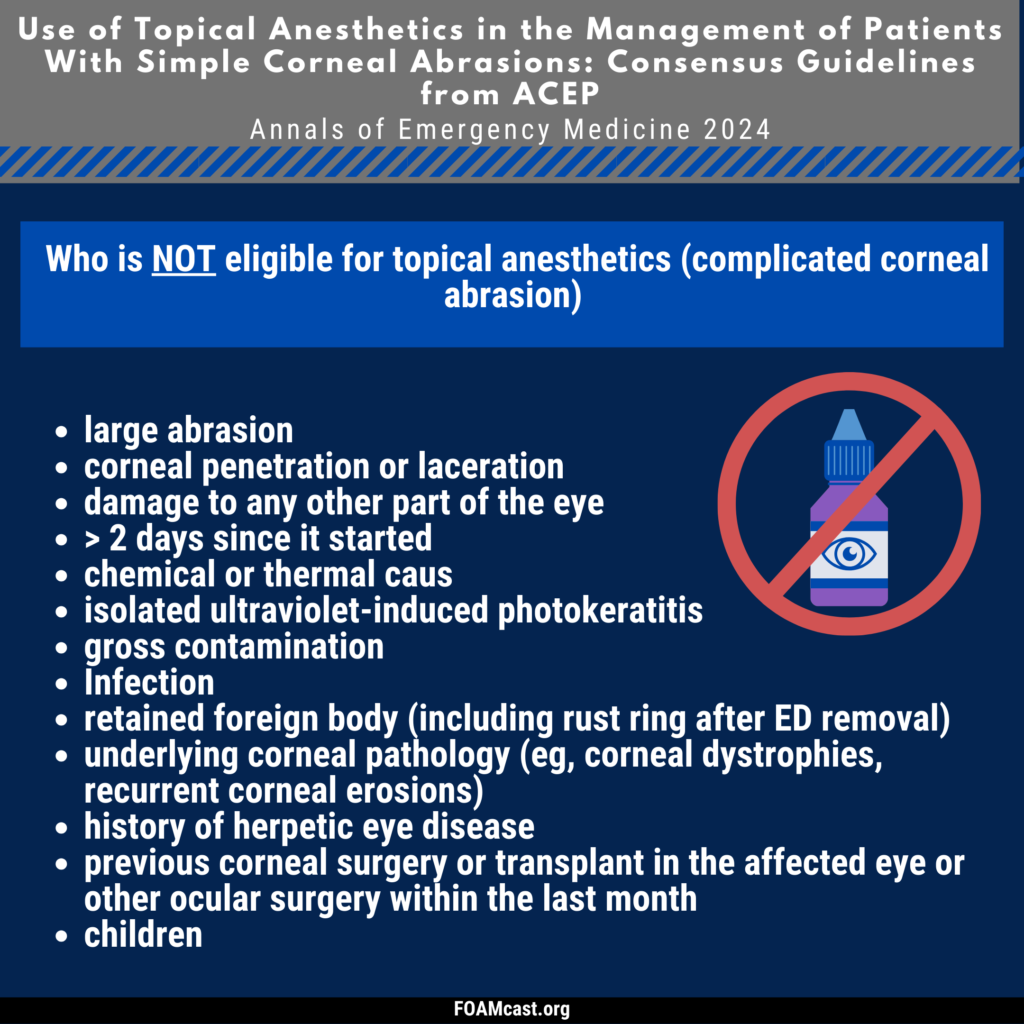
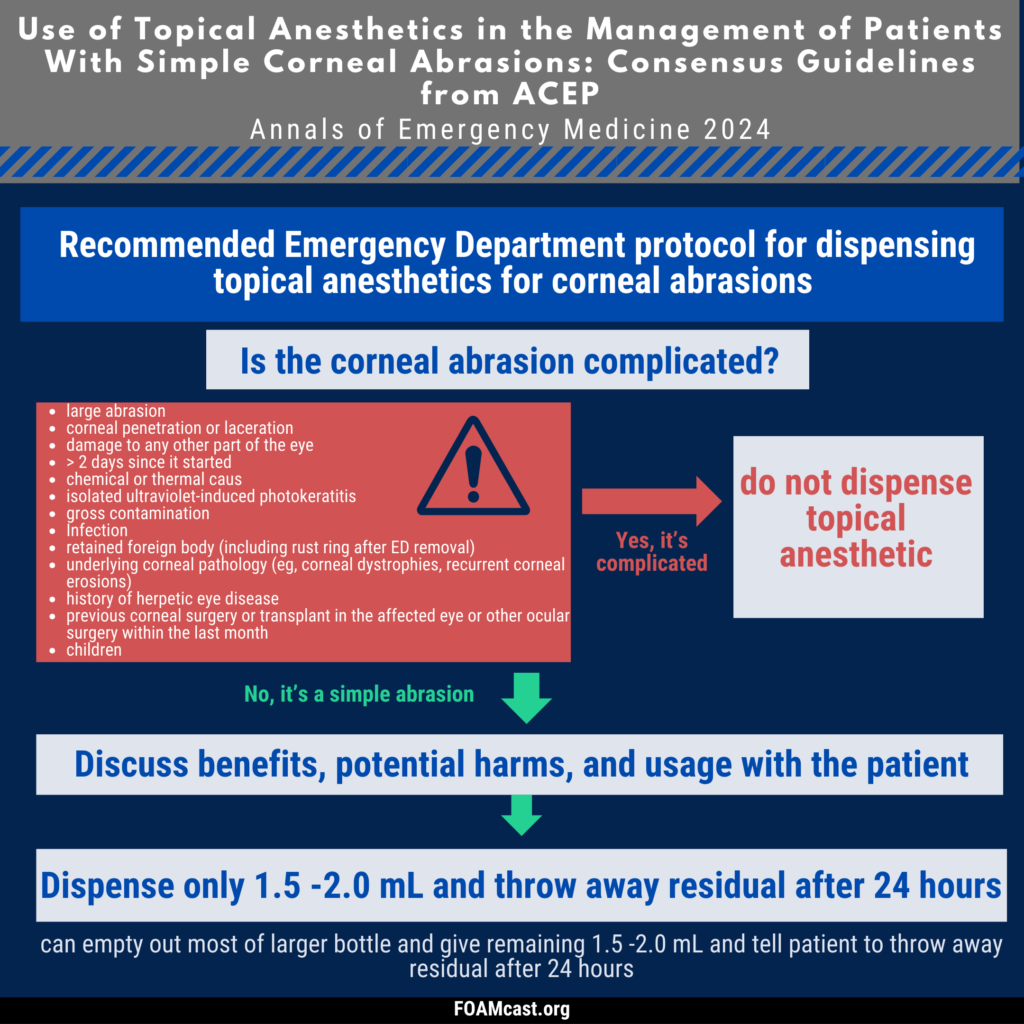
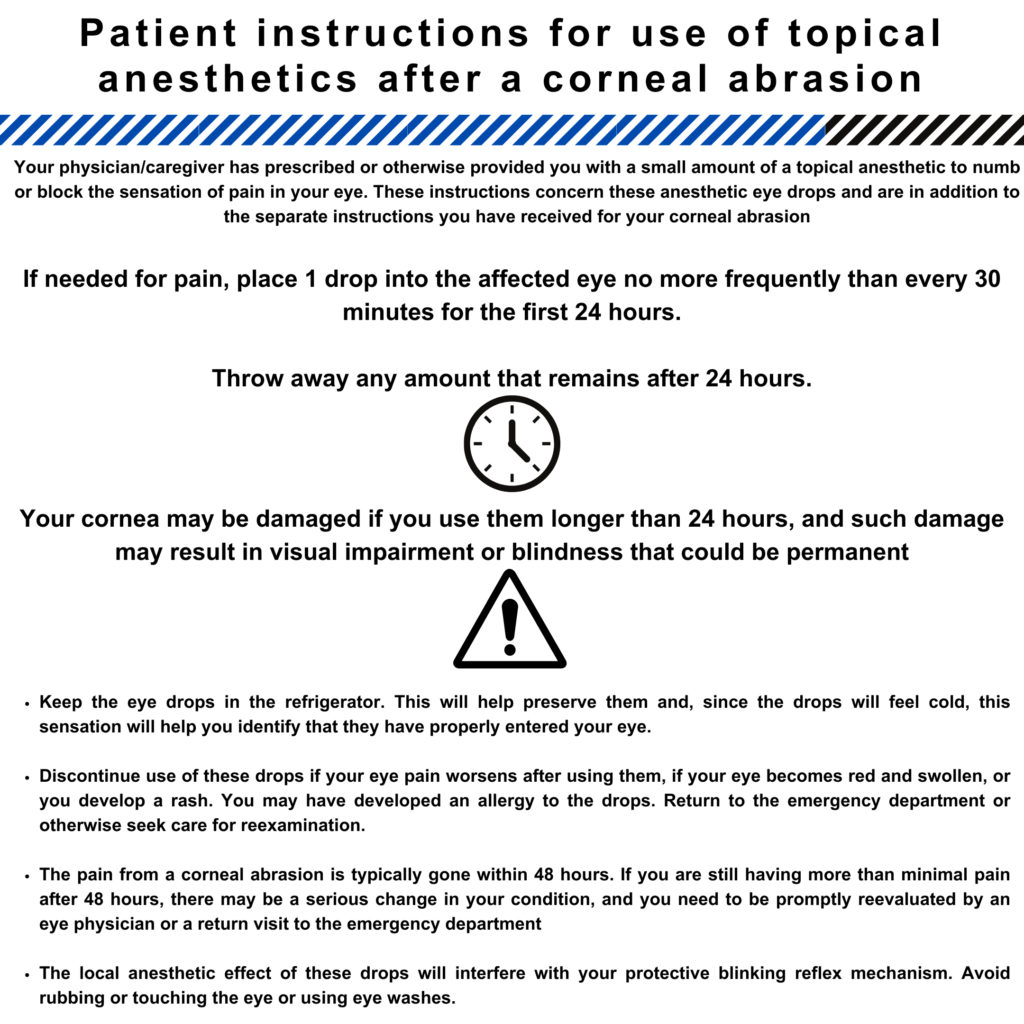
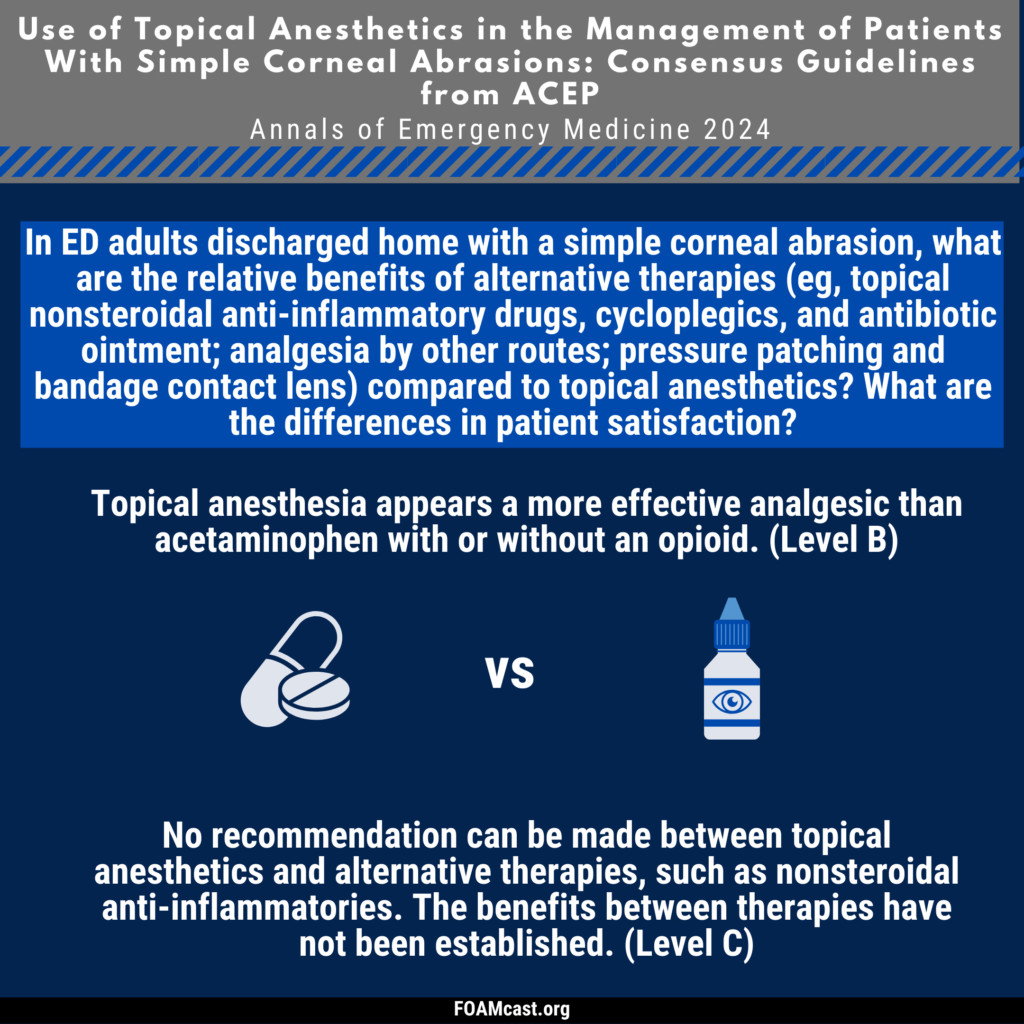
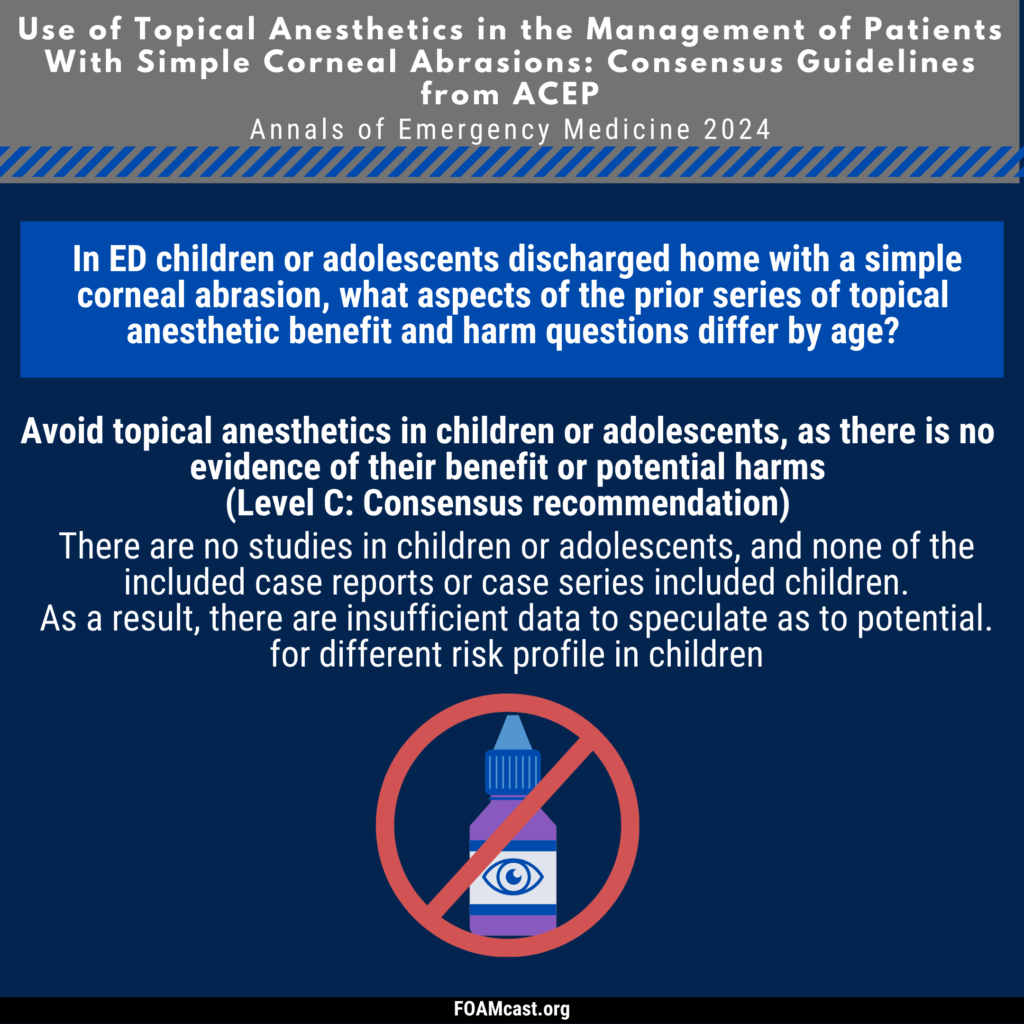
In this episode, we review a new consensus guideline from the American College of Emergency Physicians (initially developed with the American Academy of Ophthalmology) on the use of topical anesthetics in corneal abrasions.
Apple Podcasts, Spotify, Listen Here
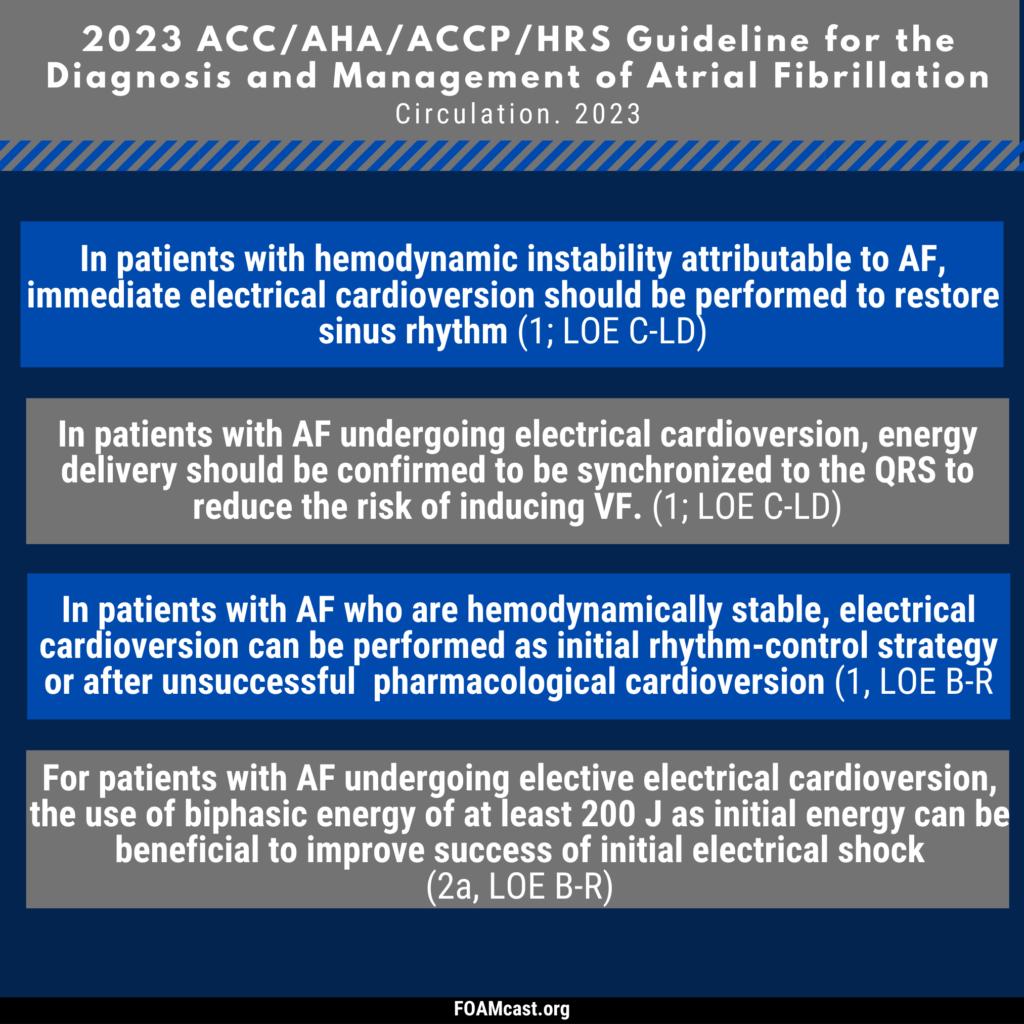
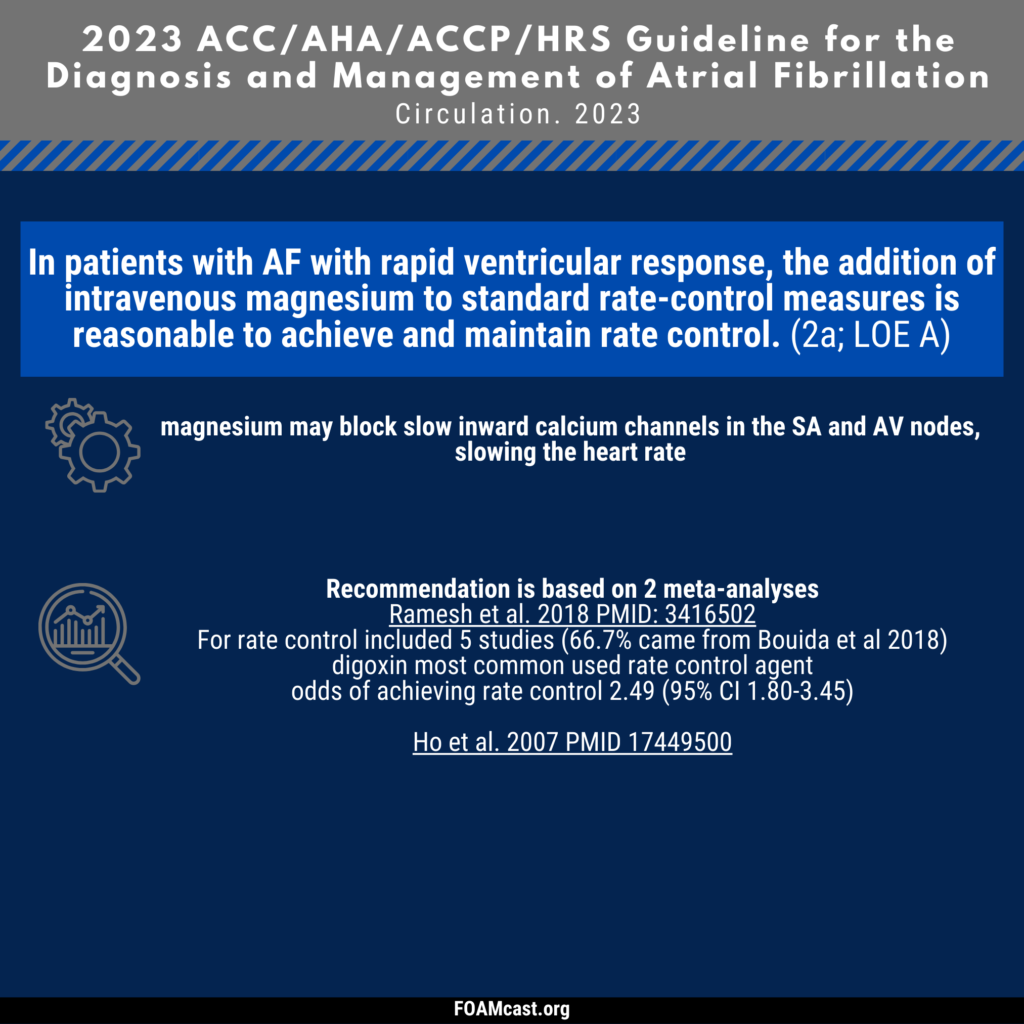
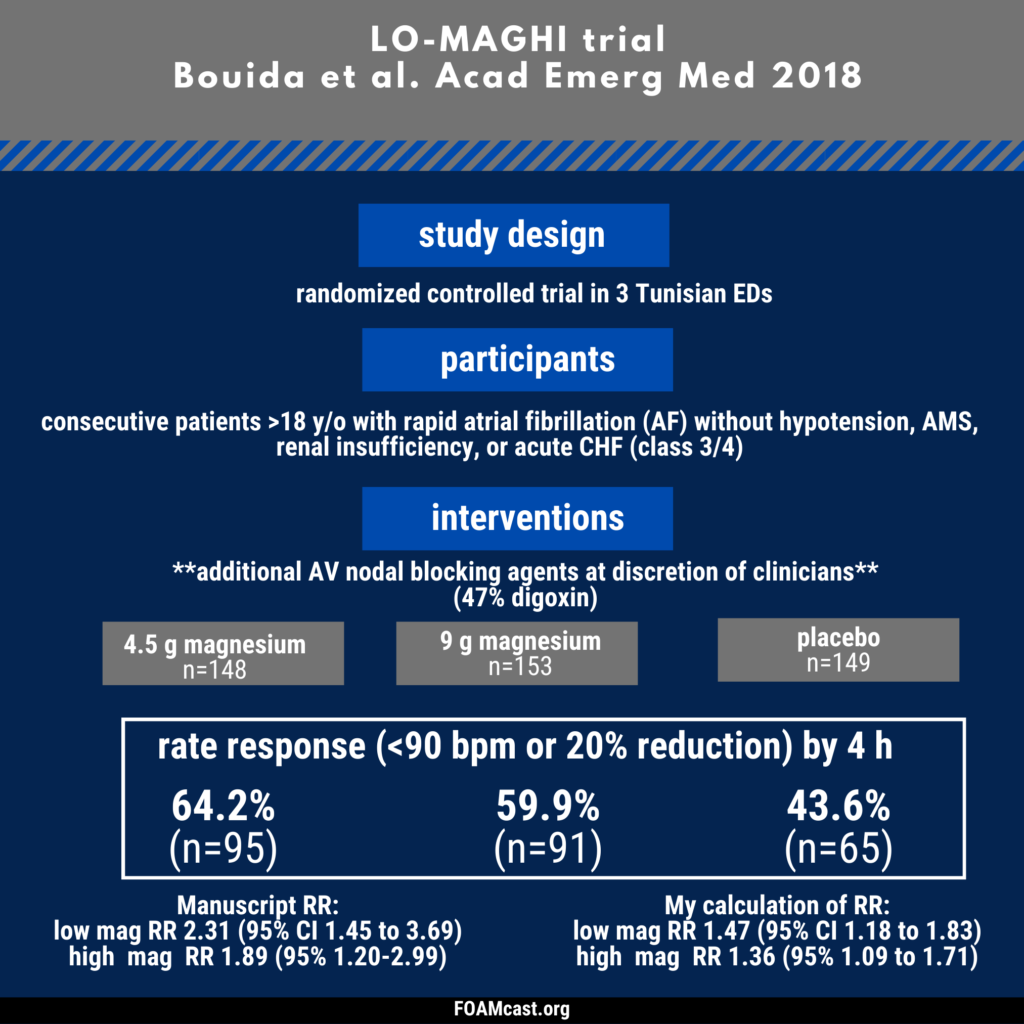
The American Heart Association (AHA) released new clinical practice guidelines on atrial fibrillation (AF). This episode reviews the emergency medicine-related guidelines.
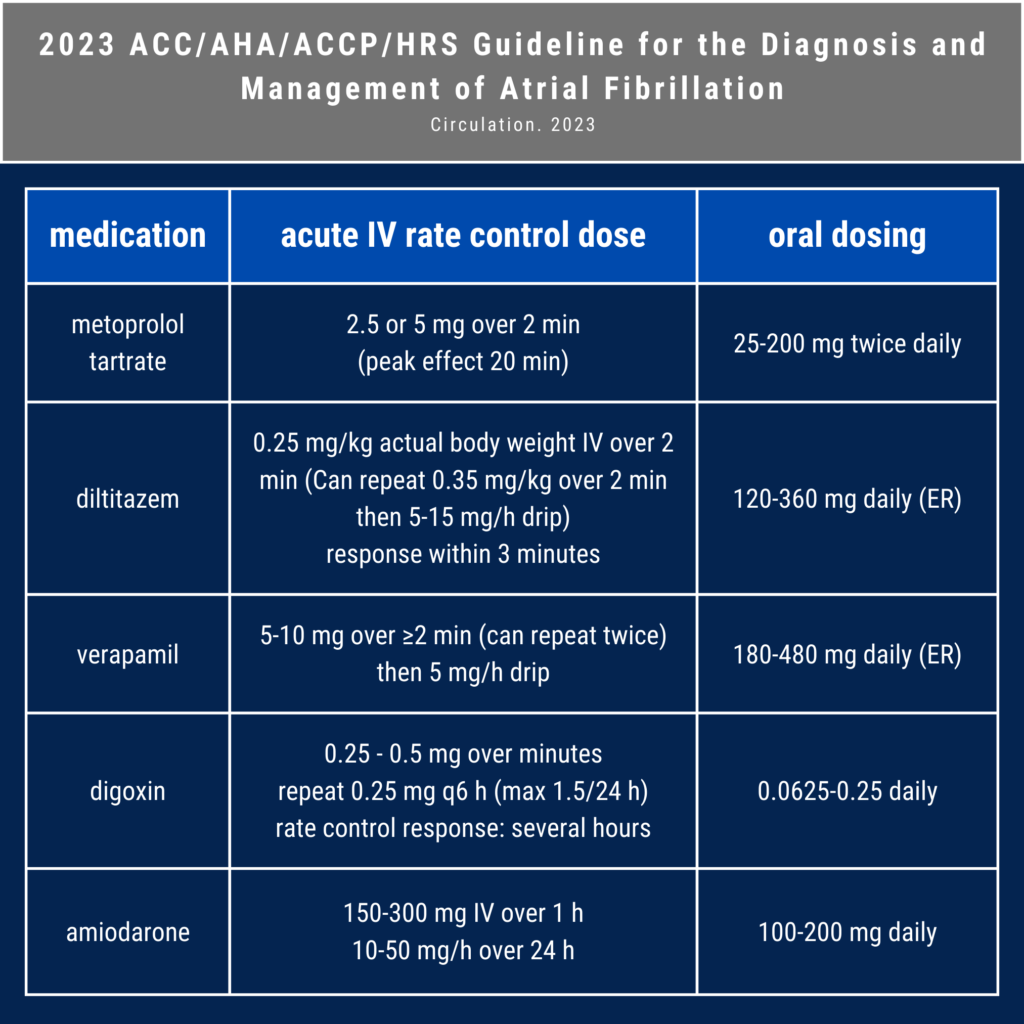
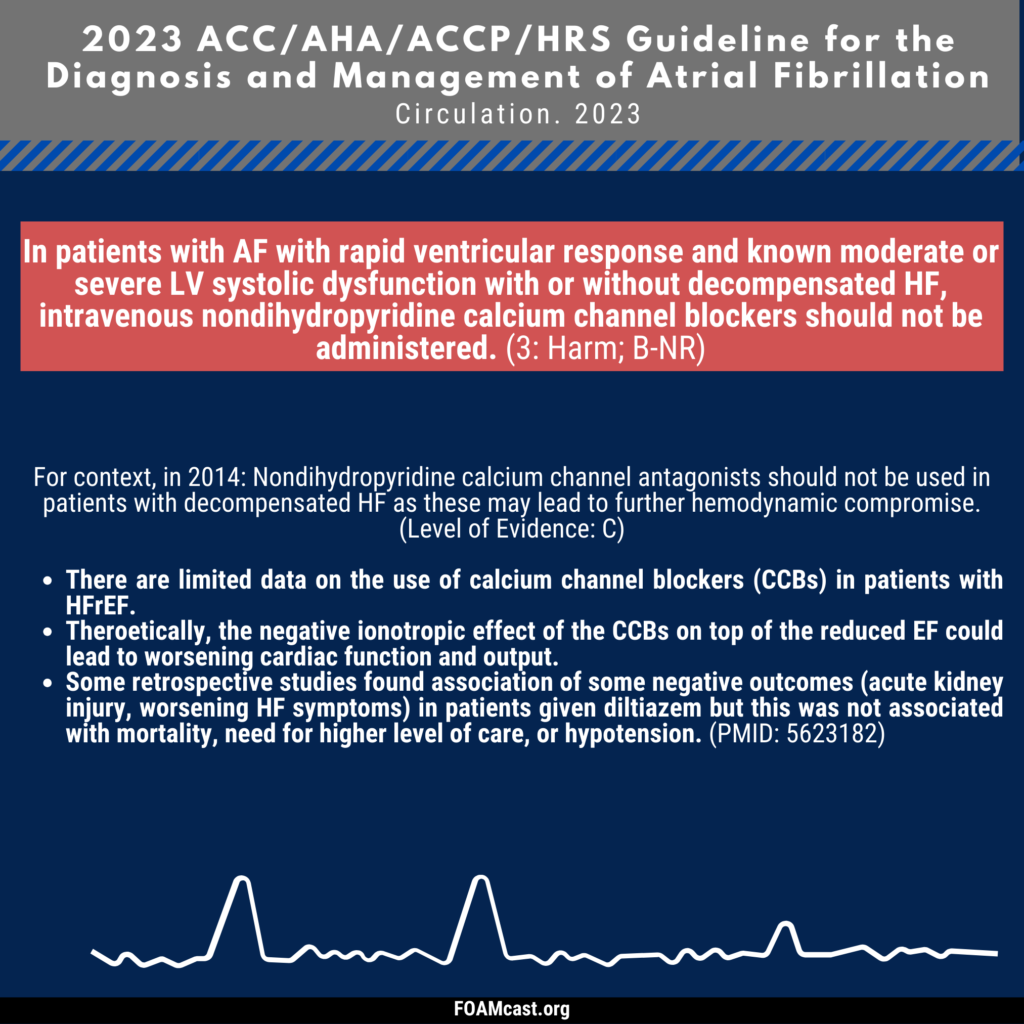
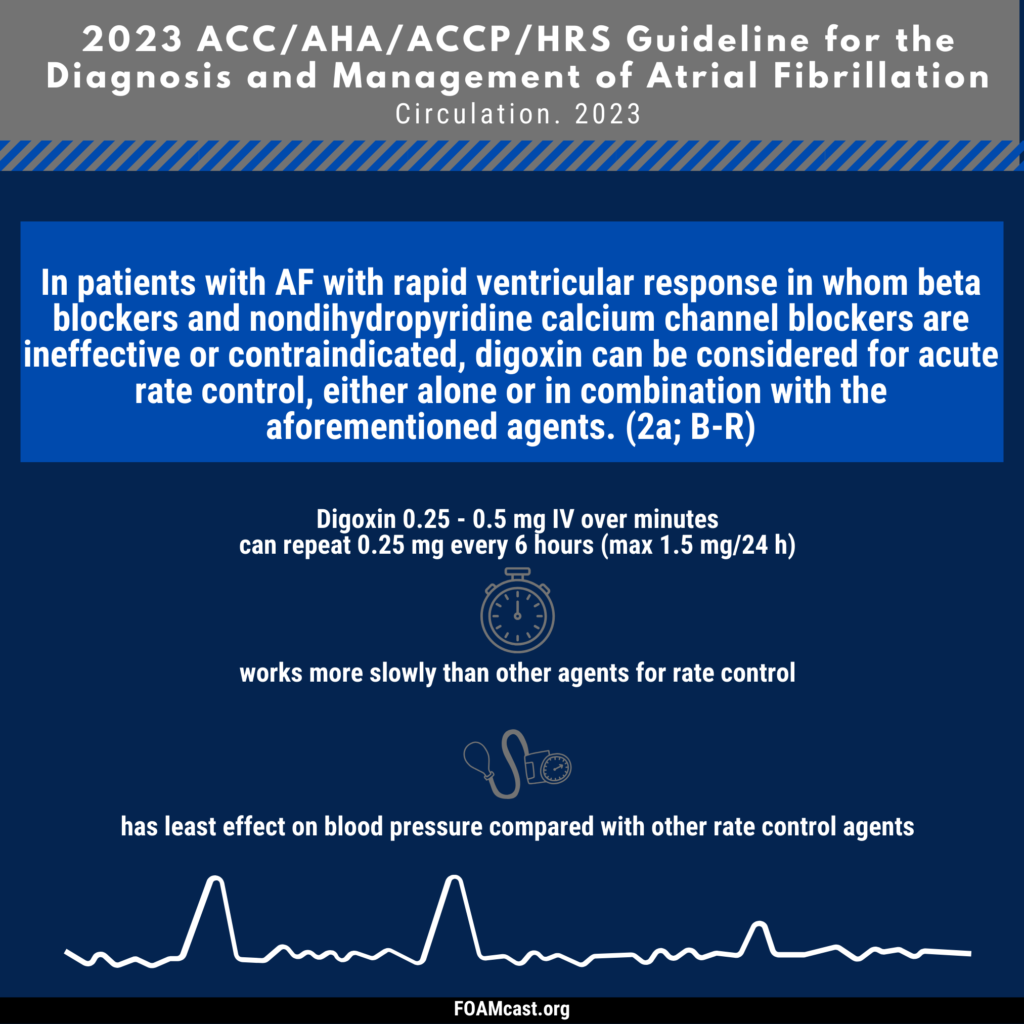
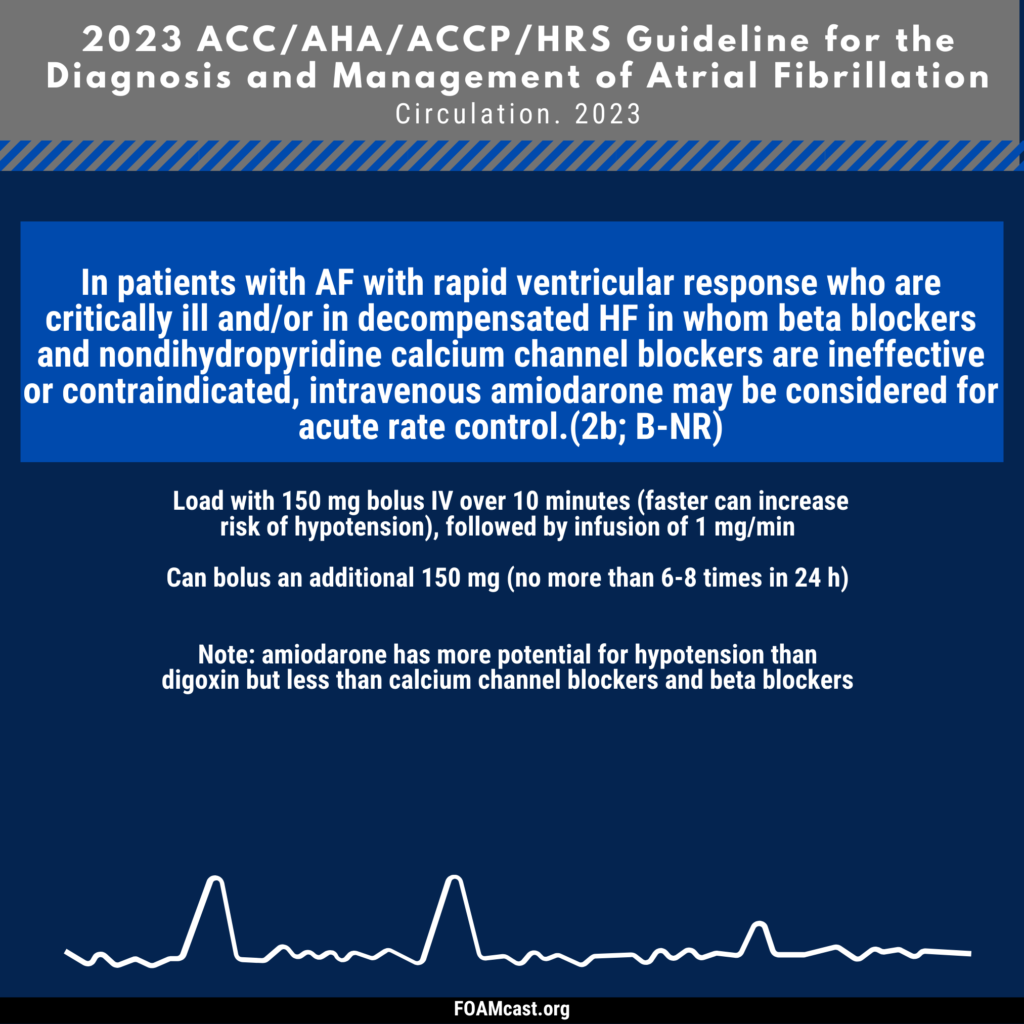
Apple Podcasts, Spotify, Listen Here
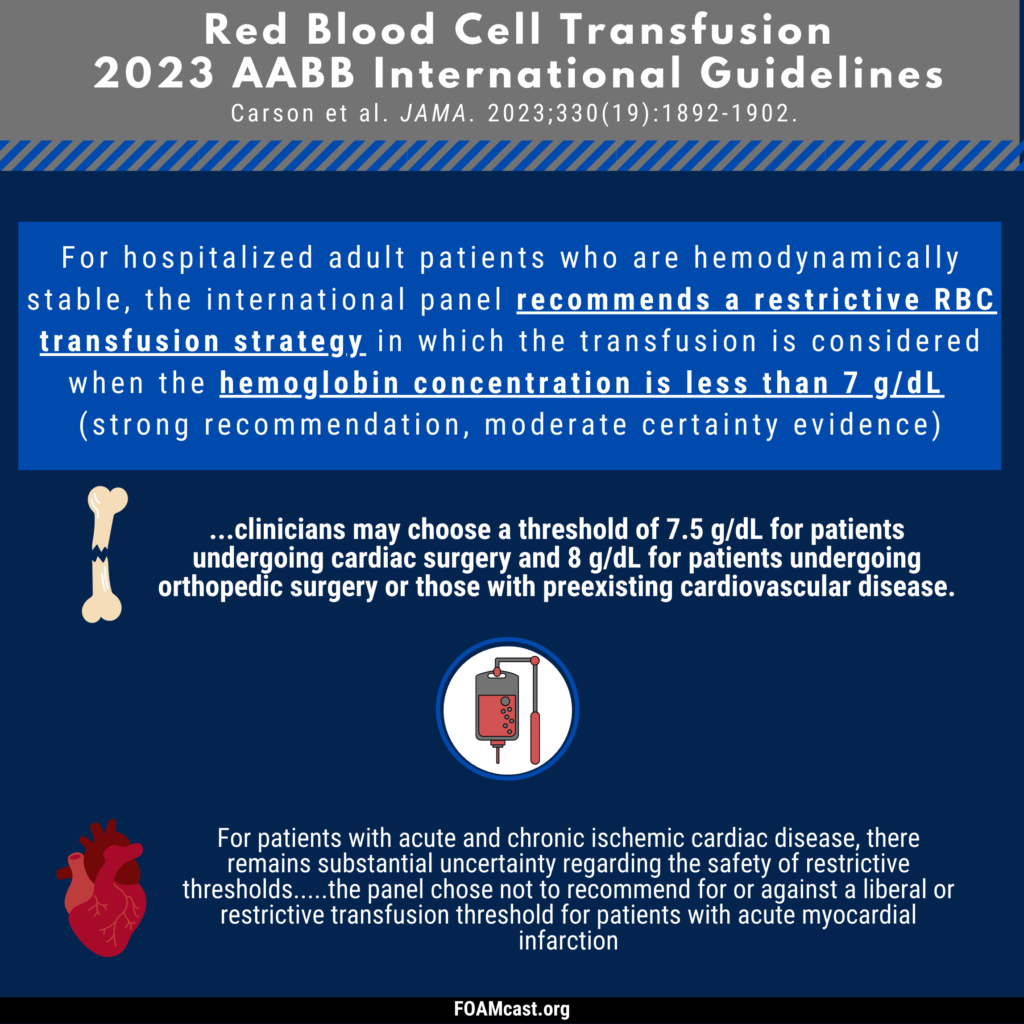
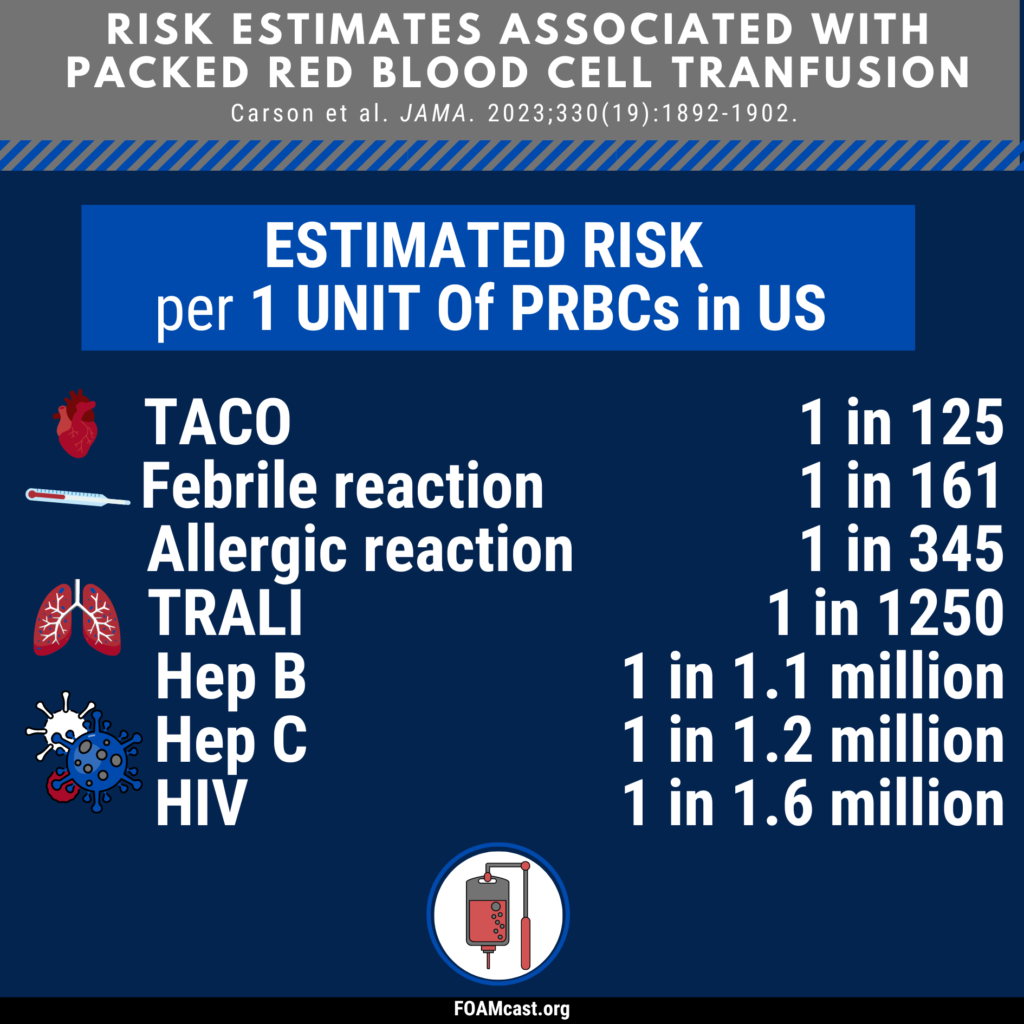
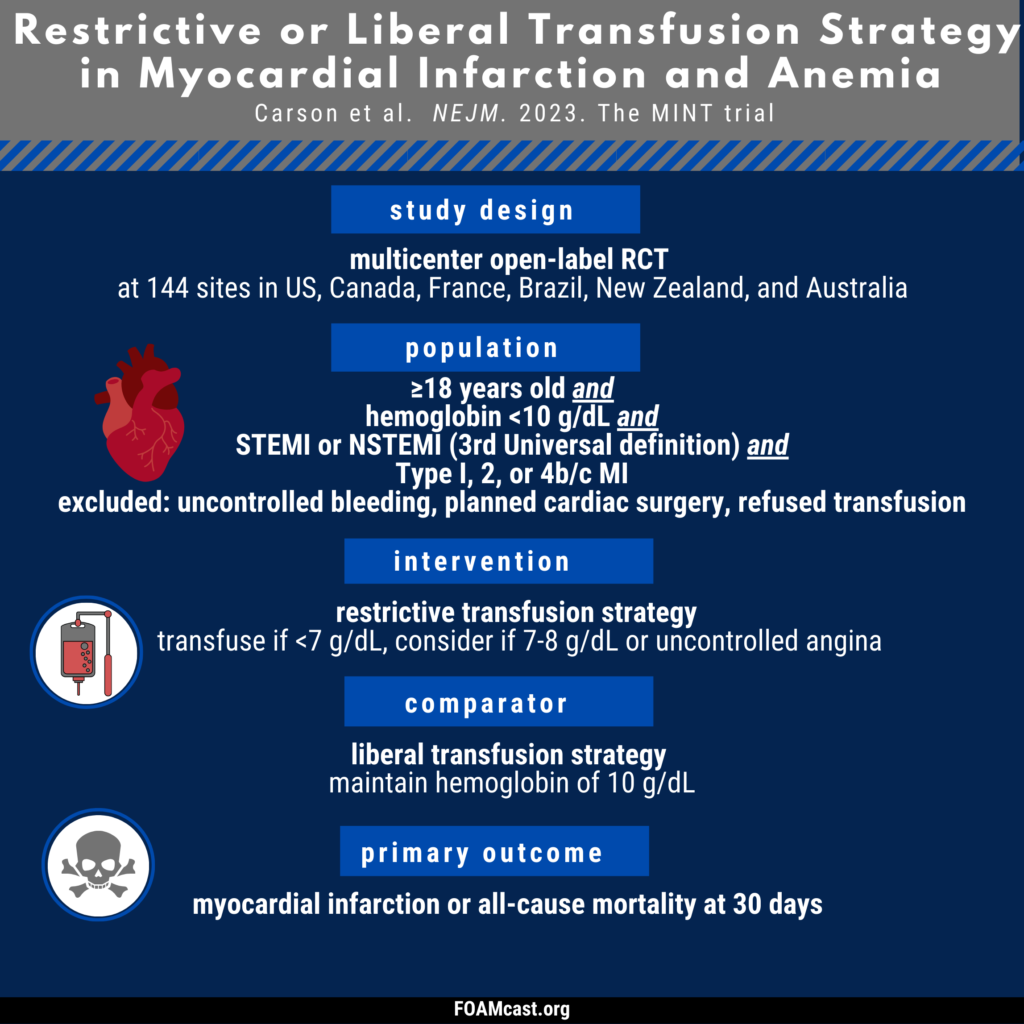
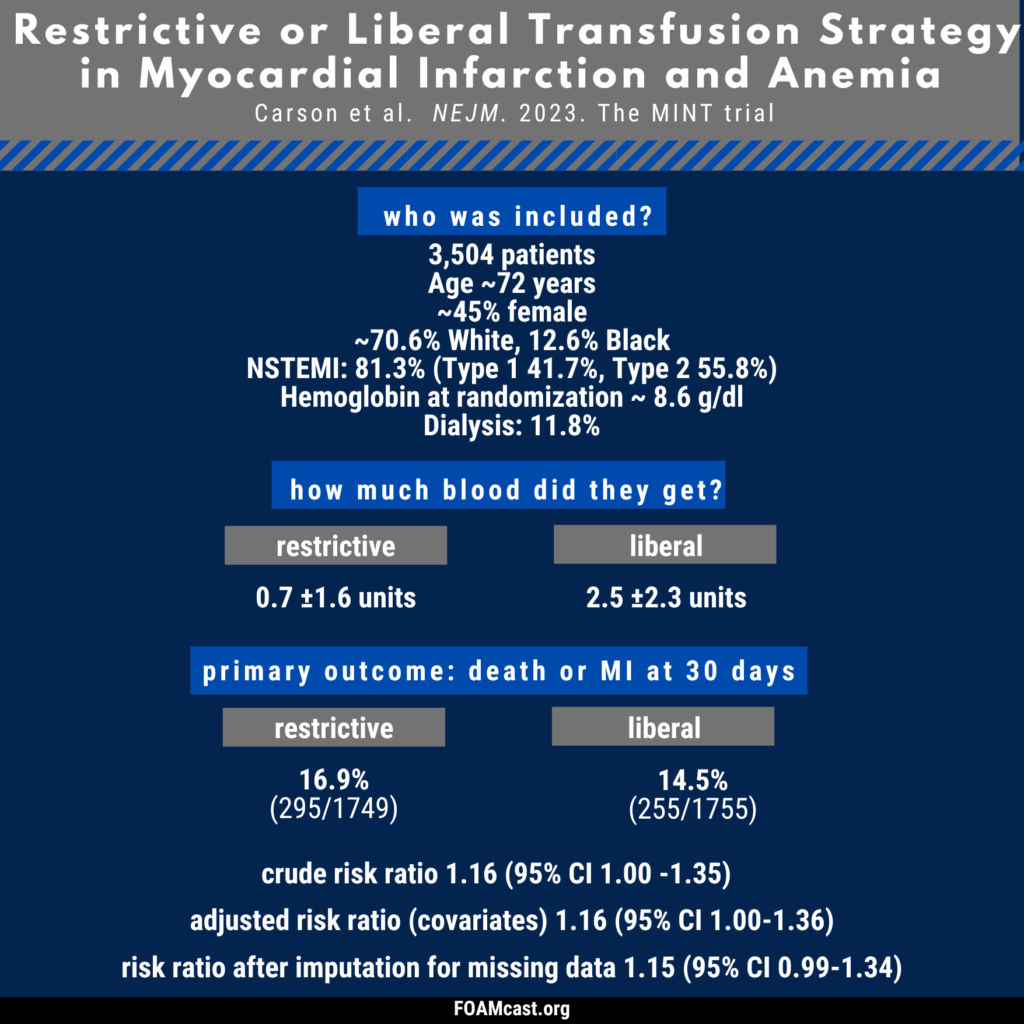
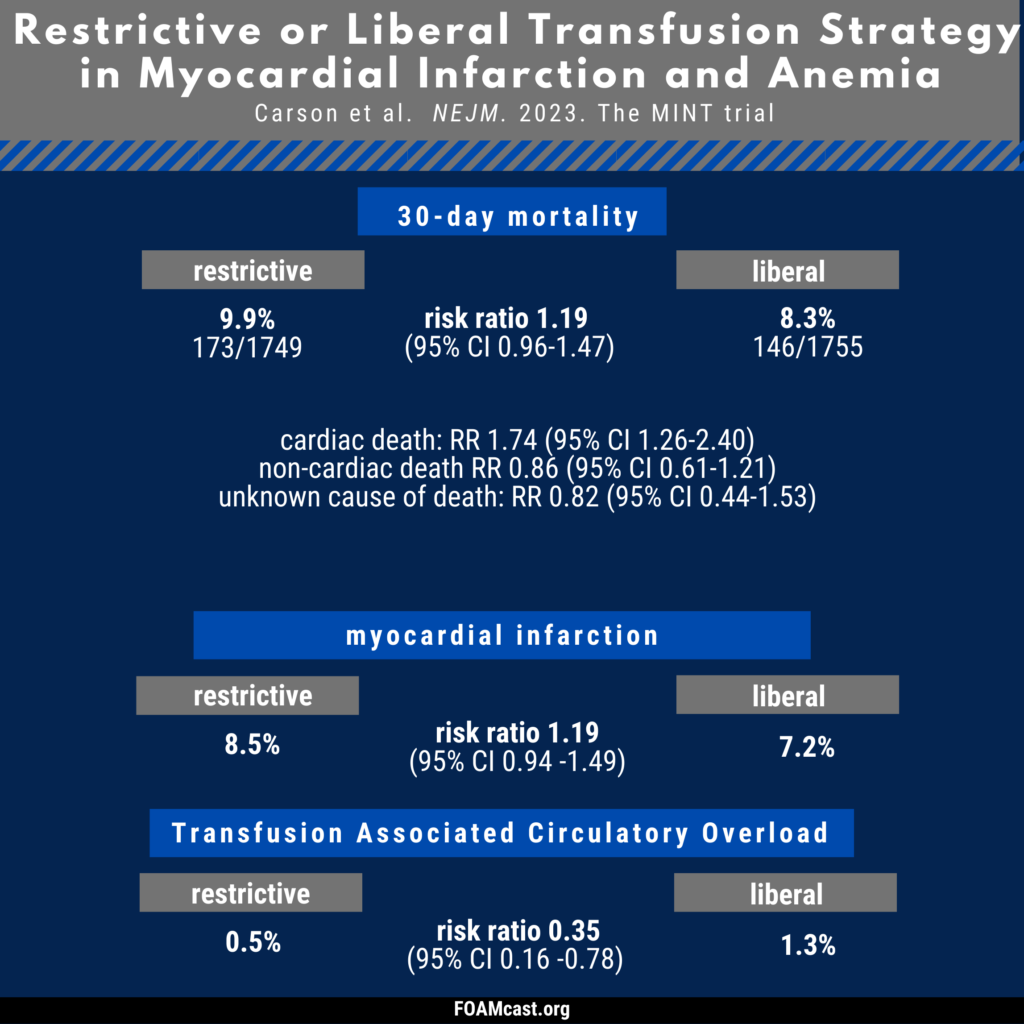
The Association for the Advancement of Blood & Biotherapies (AABB) released 2023 International Red Blood Cell Transfusion Guidelines. This podcast reviews the guidelines as well as a recently released trial evaluating restrictive versus liberal transfusion strategy in patients with myocardial infarction. Carson et al. Restrictive or Liberal Transfusion Strategy in Myocardial Infarction and Anemia. NEJM 2023. DOI: 10.1056/NEJMoa2307983.
Apple Podcasts, Spotify, Listen Here
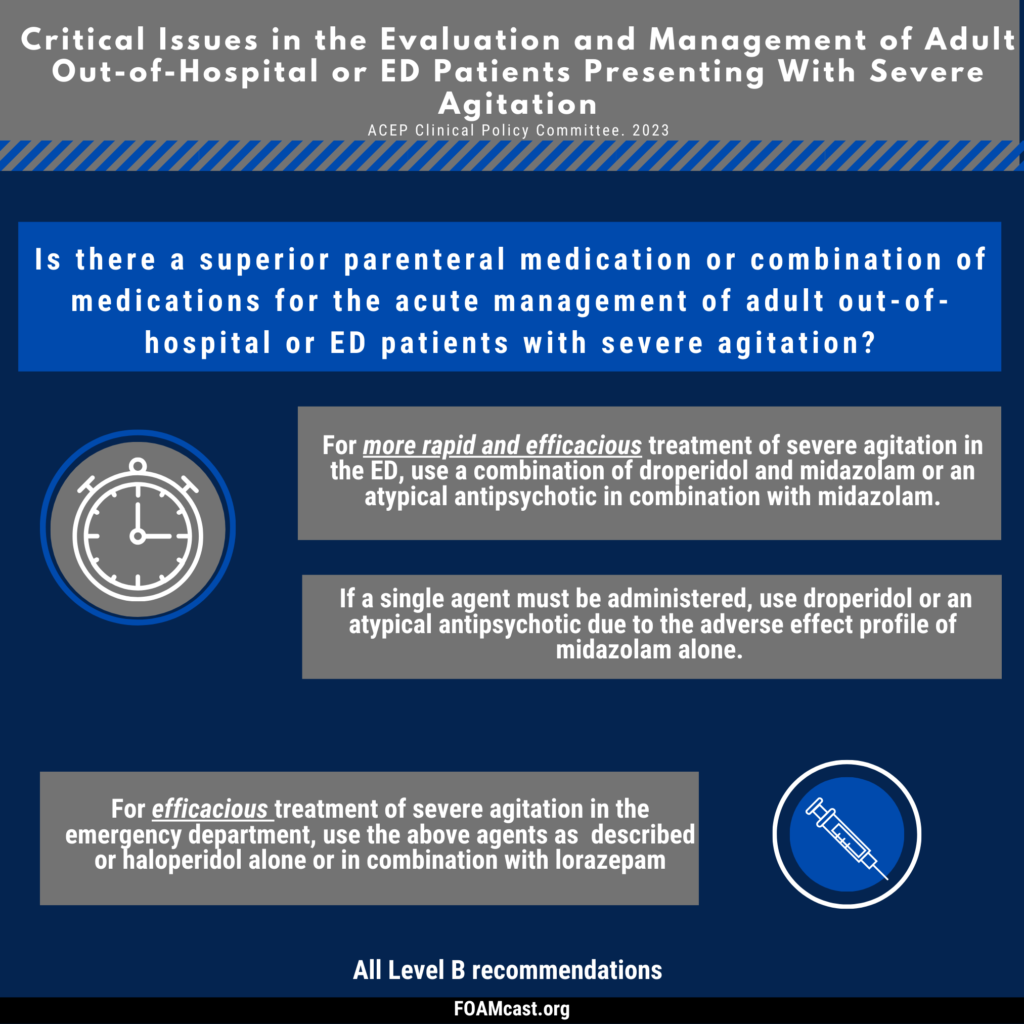
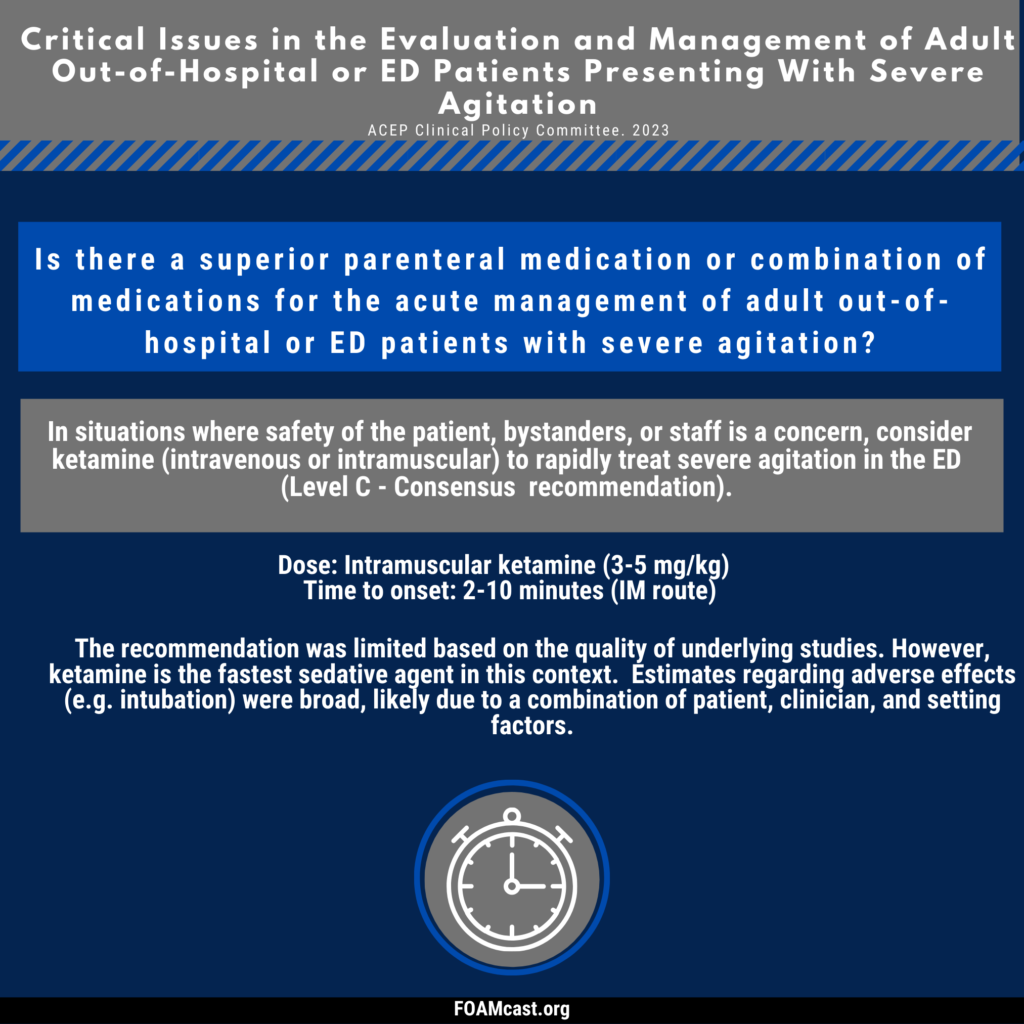
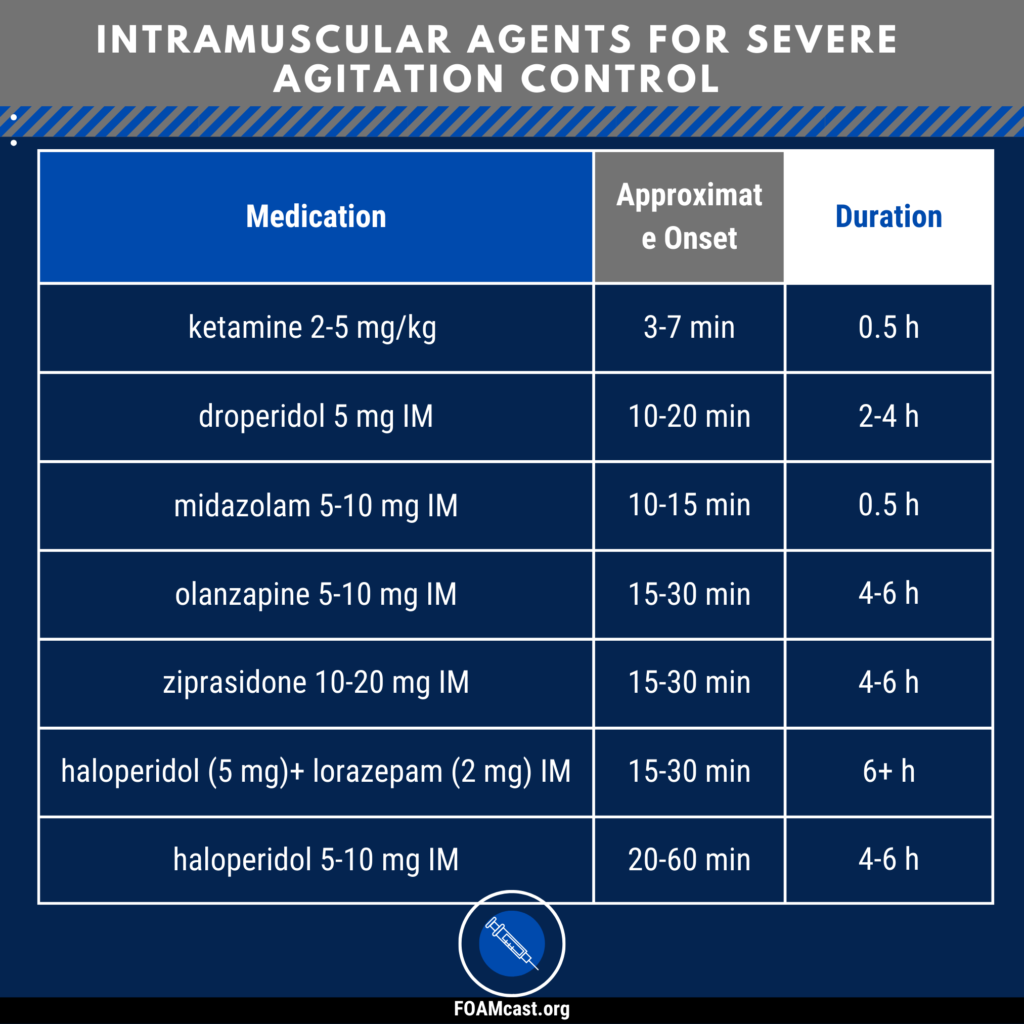
The American College of Emergency Physicians (ACEP) just released a clinical policy on the management of emergency department patients presenting with severe agitation. This podcast reviews the clinical policy. We previously covered parenteral agents and a small trial of ketamine in this podcast. The policy committee was unable to make any Level A recommendations due to limitations in included studies. The recommendations the clinical policy committee was able to make are based largely on class II studies. This field of research is limited by few direct, head-to-head comparisons of medications using similar doses via the same route, resulting in some indirect evidence and conclusions.
Disclosure: Lauren Westafer is a member of the ACEP Clinical Policy Committee but the views and opinions represented in this post/podcast are hers alone and do not represent those of the ACEP Clinical Policy Committee.
Apple Podcasts, Spotify, Listen Here
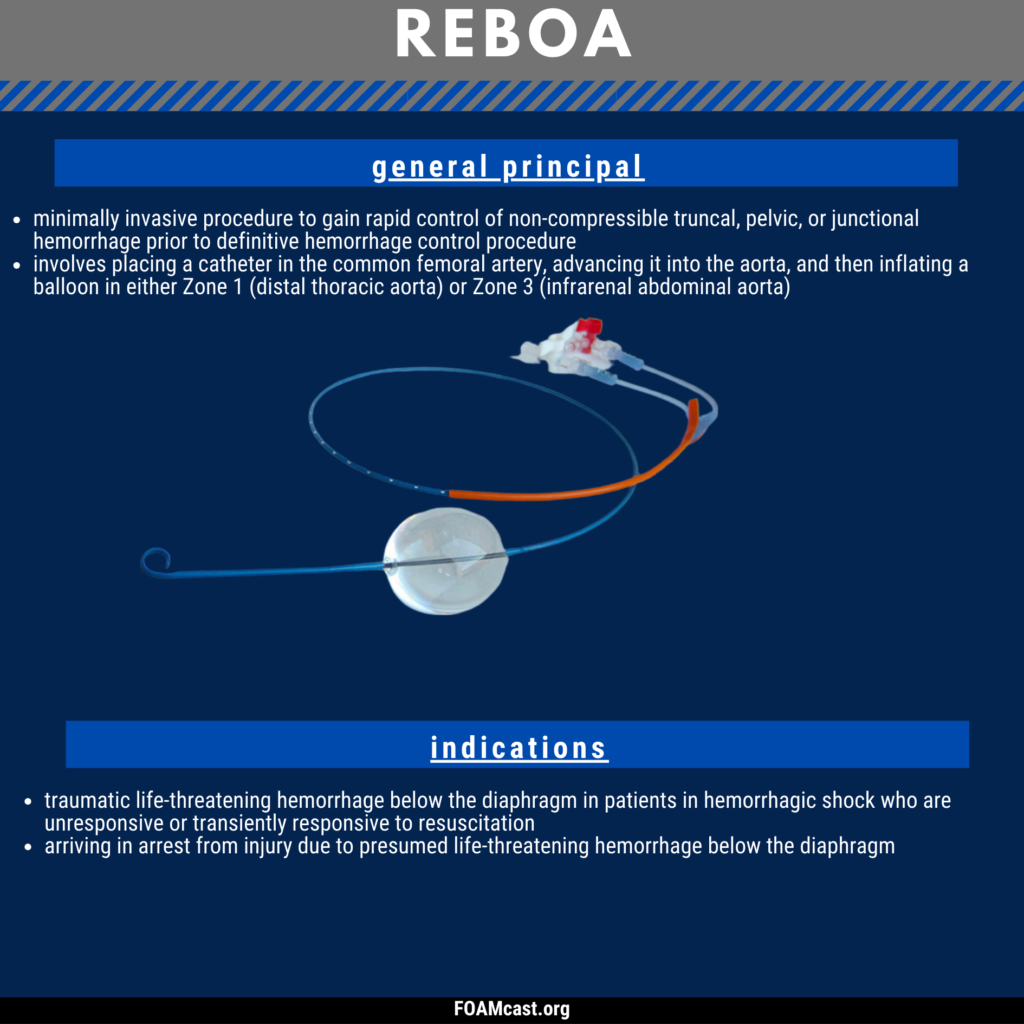
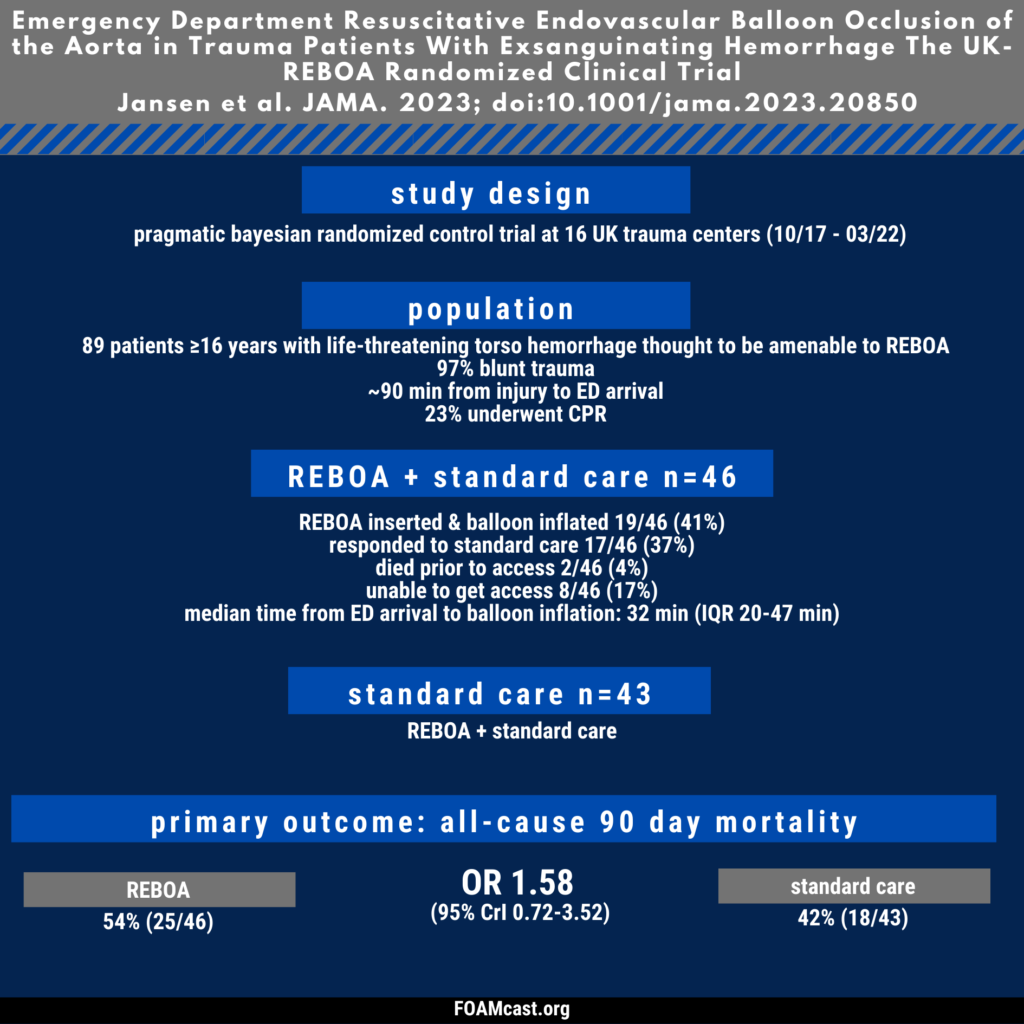
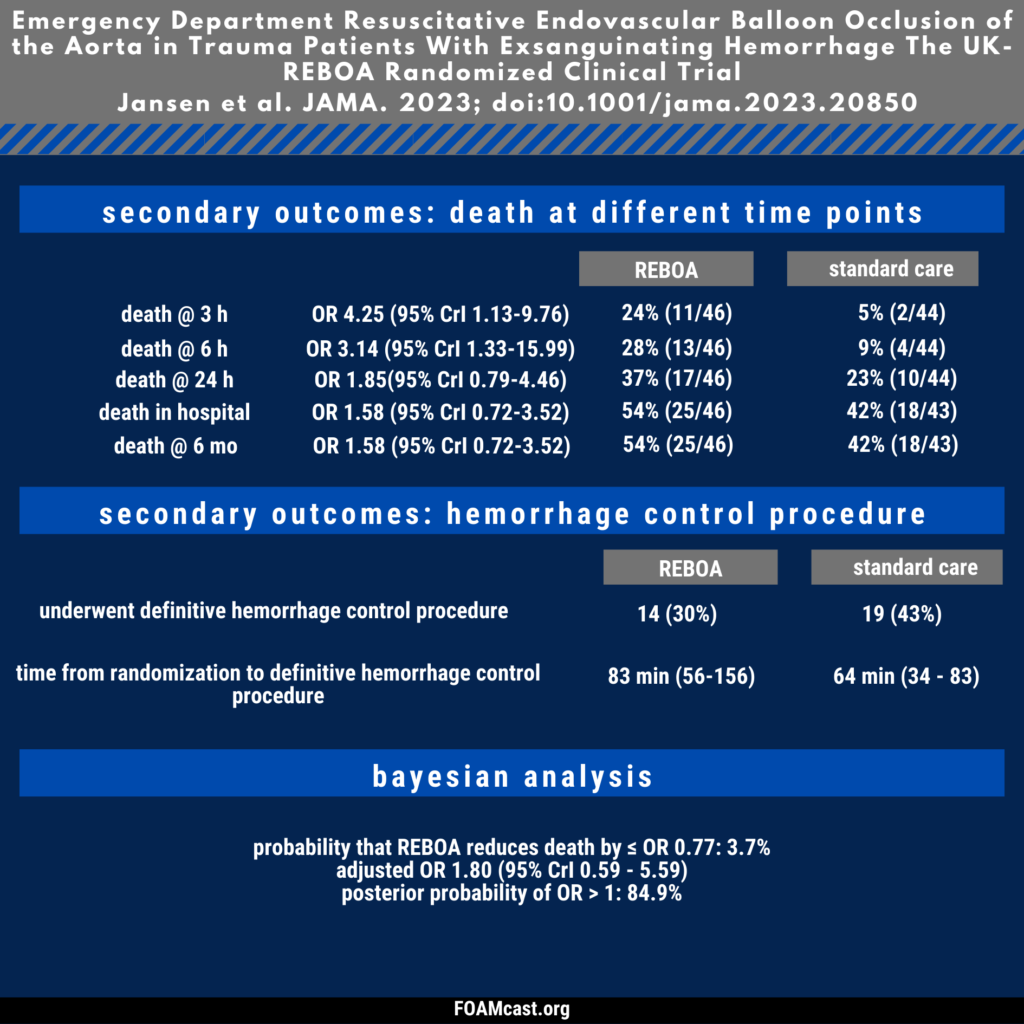
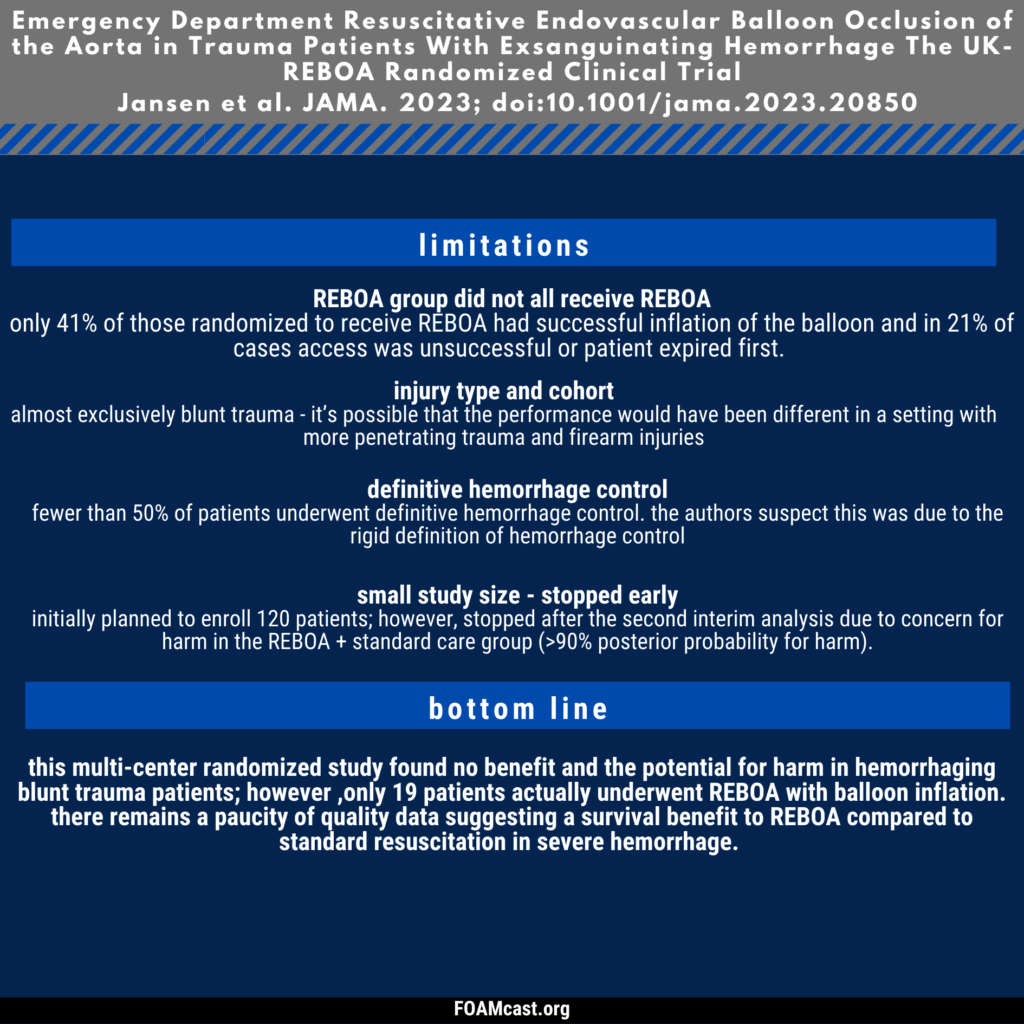
Resuscitative endovascular balloon occlusion of the aorta (REBOA) is a minimally invasive way of providing resuscitative aortic occlusion in severe hemorrhage to gain temporary hemorrhage control as a bridge to definitive procedures. Despite initial enthusiasm for widespread use, there are minimal data suggesting significant mortality benefit. A joint statement from the American College of Surgeons Committee on Trauma (ACS COT) and the American College of Emergency Physicians (ACEP) regarding the clinical use of Resuscitative Endovascular Balloon Occlusion of the Aorta (REBOA) states: “No current, high-grade evidence clearly demonstrates REBOA improves outcomes or survival compared to standard treatment of severe hemorrhage.” However, “REBOA is less invasive than resuscitative thoracotomy and in skilled hands may be more rapidly applied as compared with resuscitative thoracotomy.” As a result, Jansen et al. undertook a pragmatic RCT to investigate the use of REBOA in trauma. In this podcast we review the trial and contextualize the results as emergency physicians.