We bring you pearl from the American College of Emergency Physicians (ACEP) 2017 Scientific Assembly.
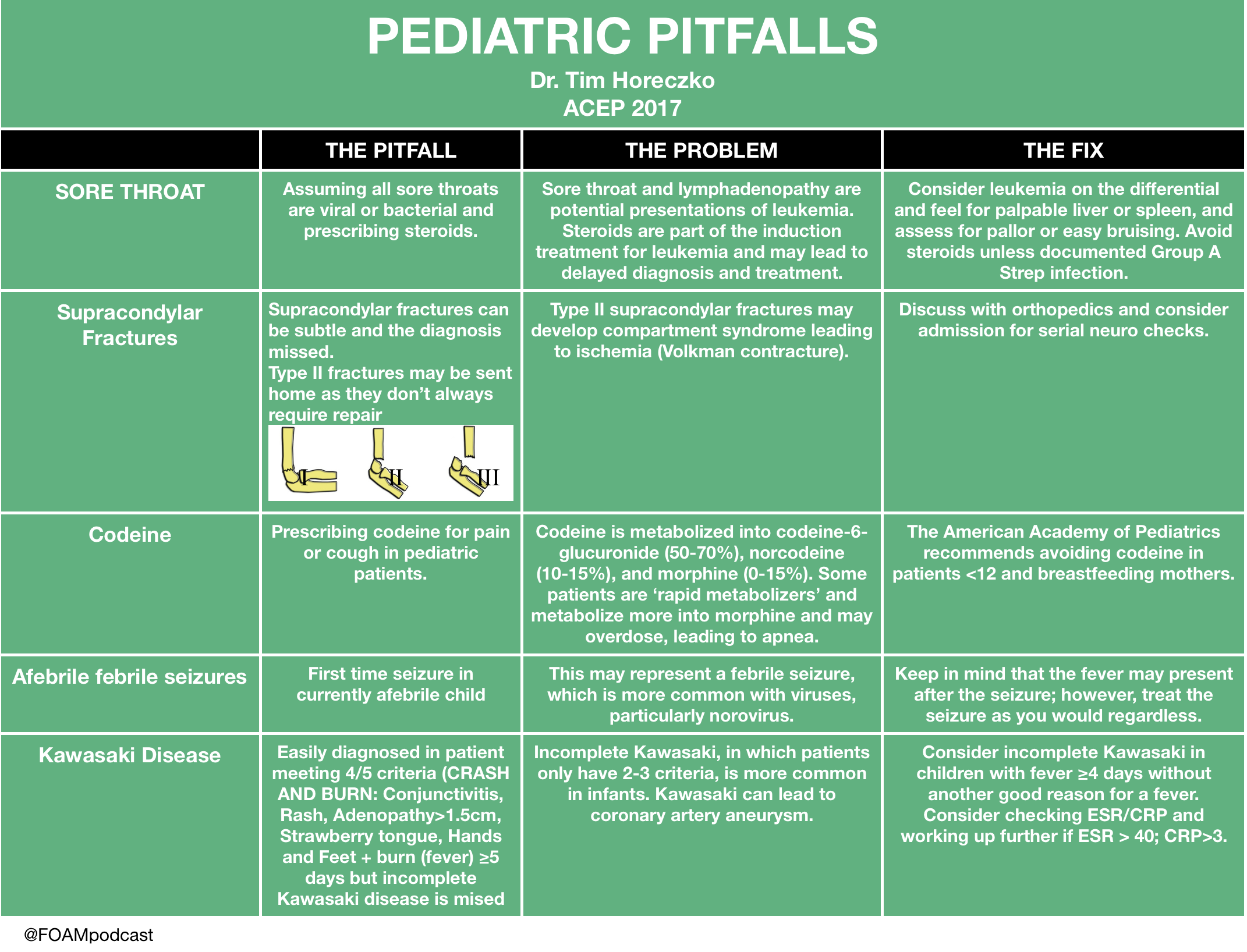
Pediatric Pitfalls – Dr. Tim Horeczko
Critical Care Literature Updates – Dr. Michael Winters
We bring you pearl from the American College of Emergency Physicians (ACEP) 2017 Scientific Assembly.
Pediatric Pitfalls – Dr. Tim Horeczko
Critical Care Literature Updates – Dr. Michael Winters
In this episode, we summarize recent literature we feel is high yield, important, or frequently discussed in emergency medicine. As always, we encourage you to read the papers and not FOAM it alone.
Antibiotics and abscesses – Daum et al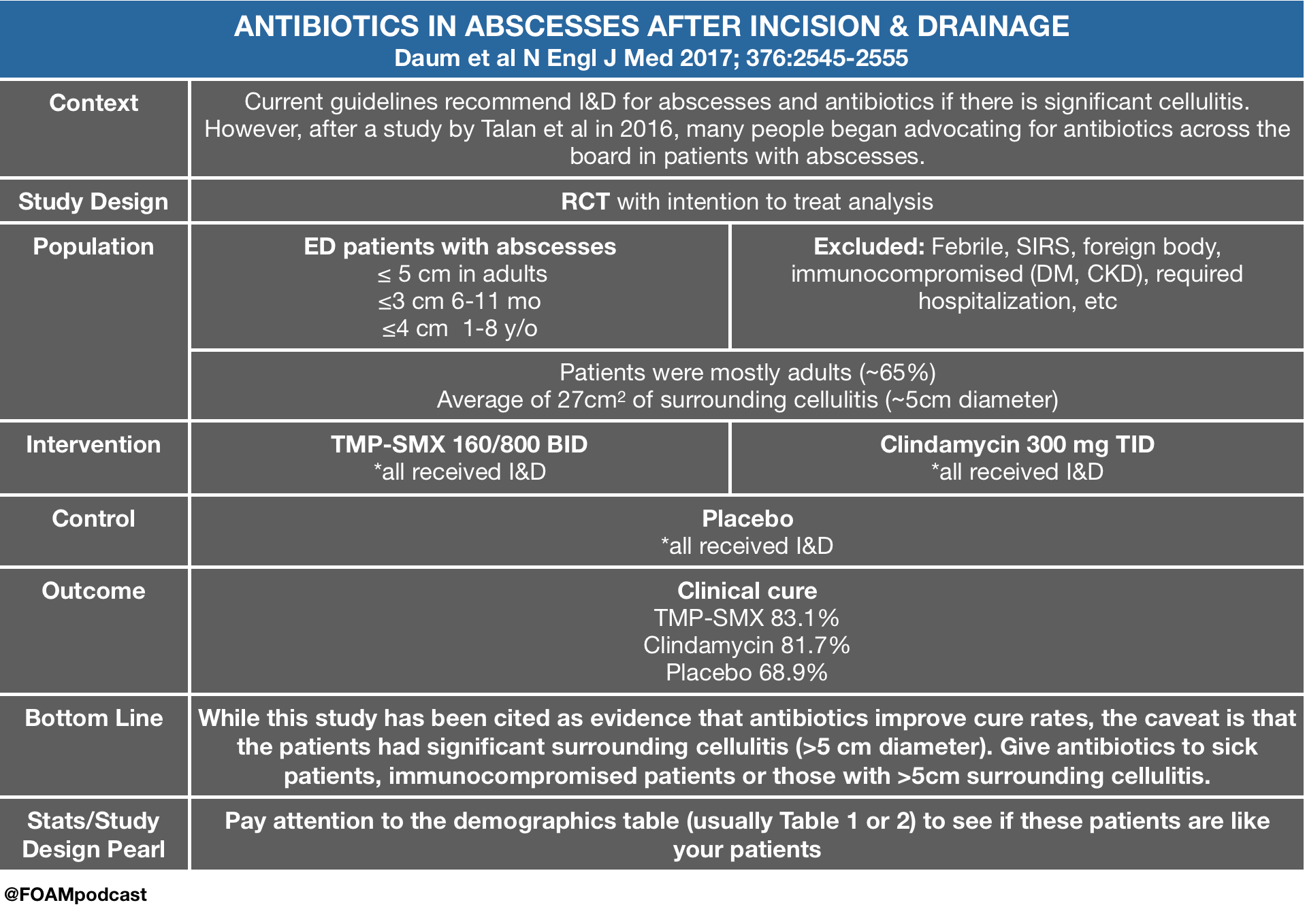
FAST in hemodynamically stable patients – Holmes et al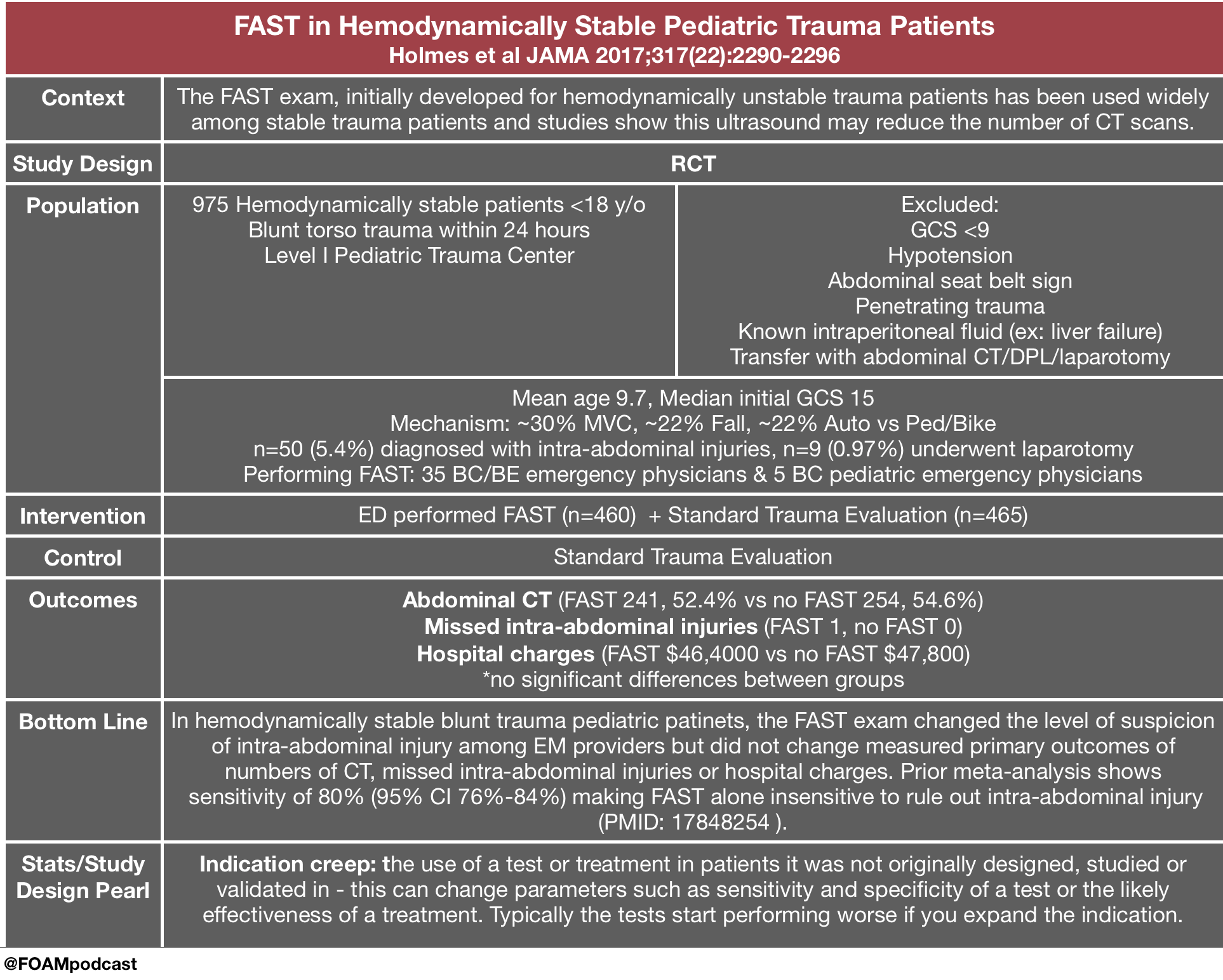
Haloperidol in gastroparesis – Roldan et al and Ramirez et al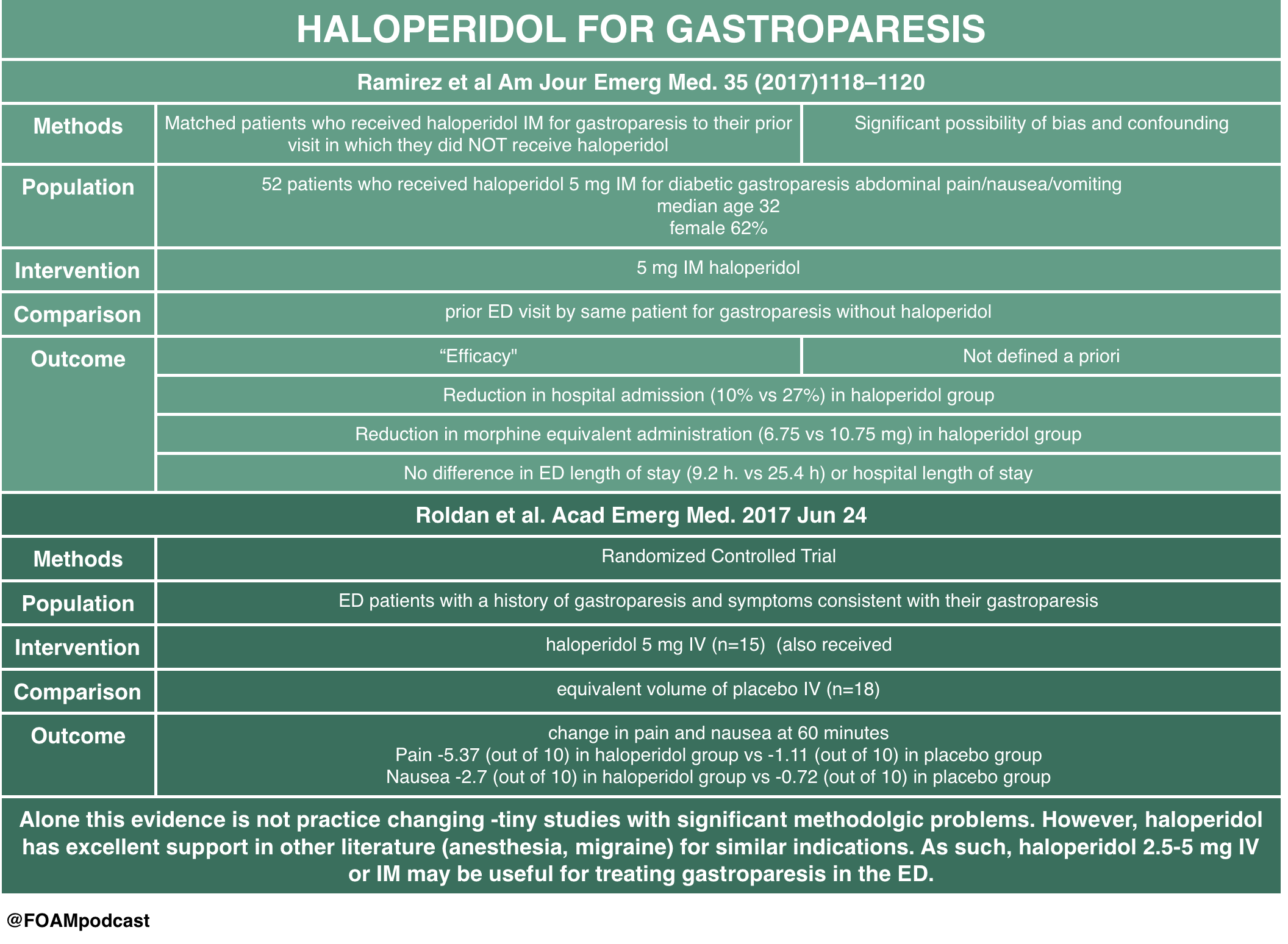
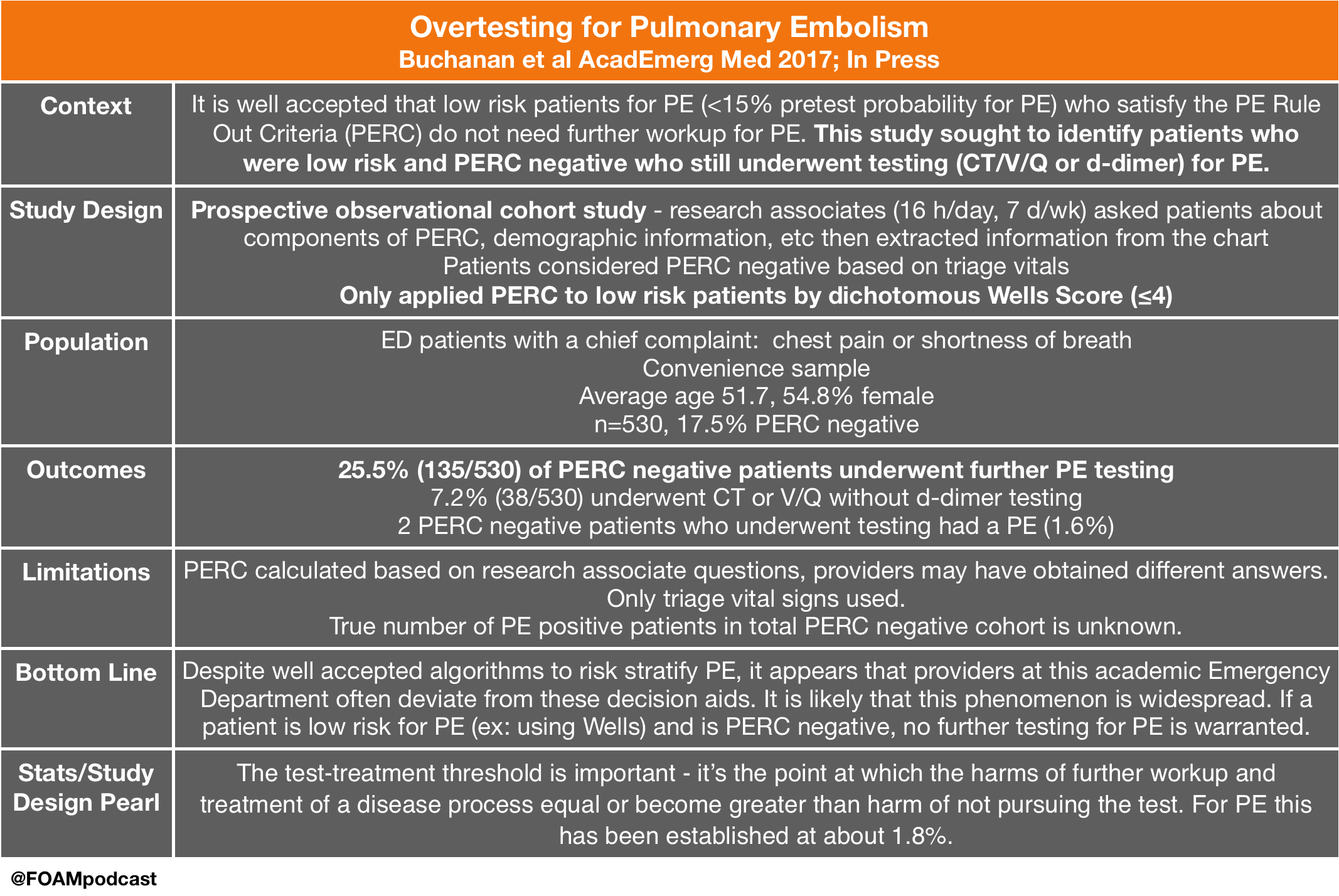
Ignoring PERC – Buchanan et al
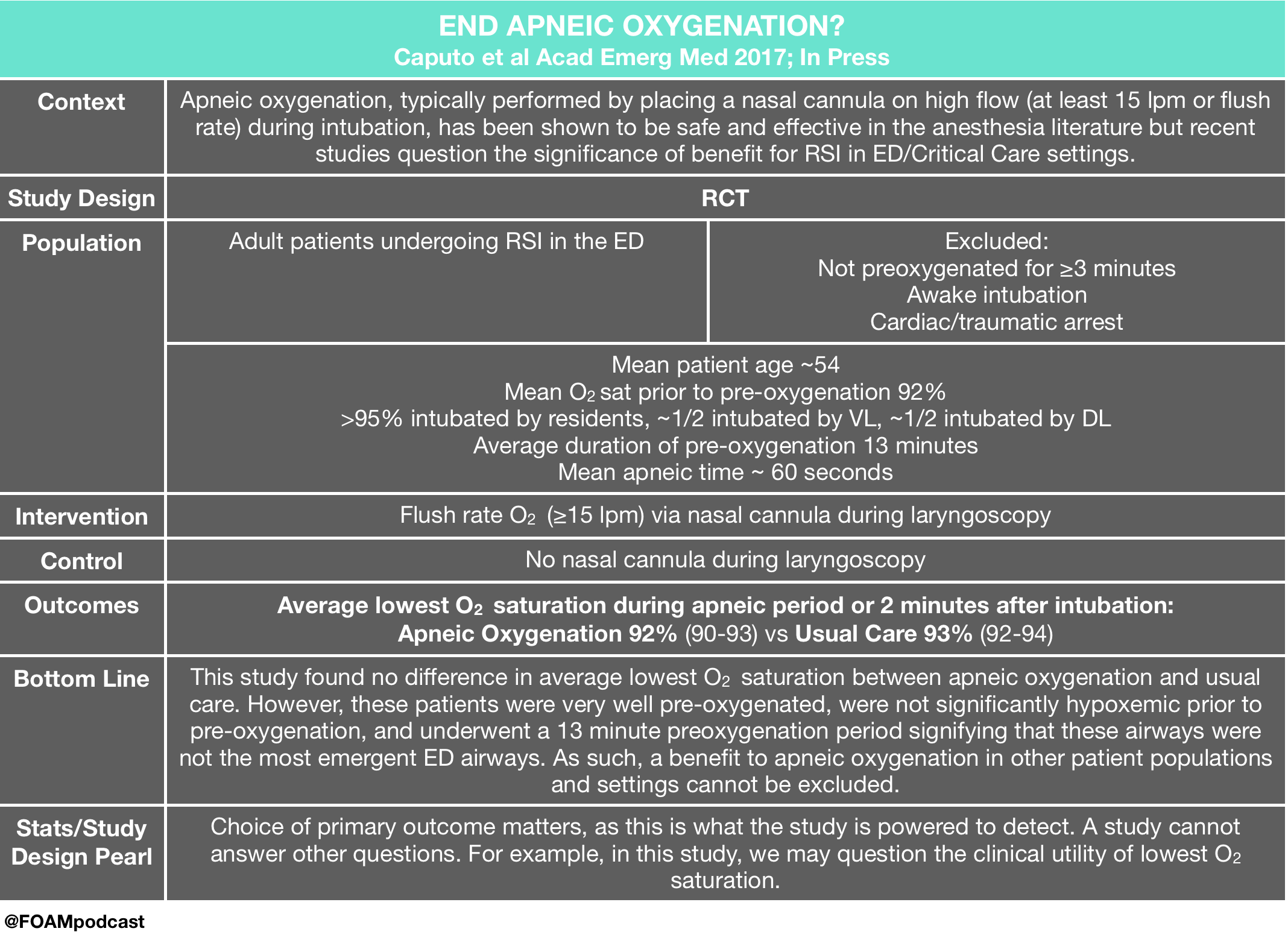
Steroids in non-asthma/COPD lower respiratory tract infections – Hay et al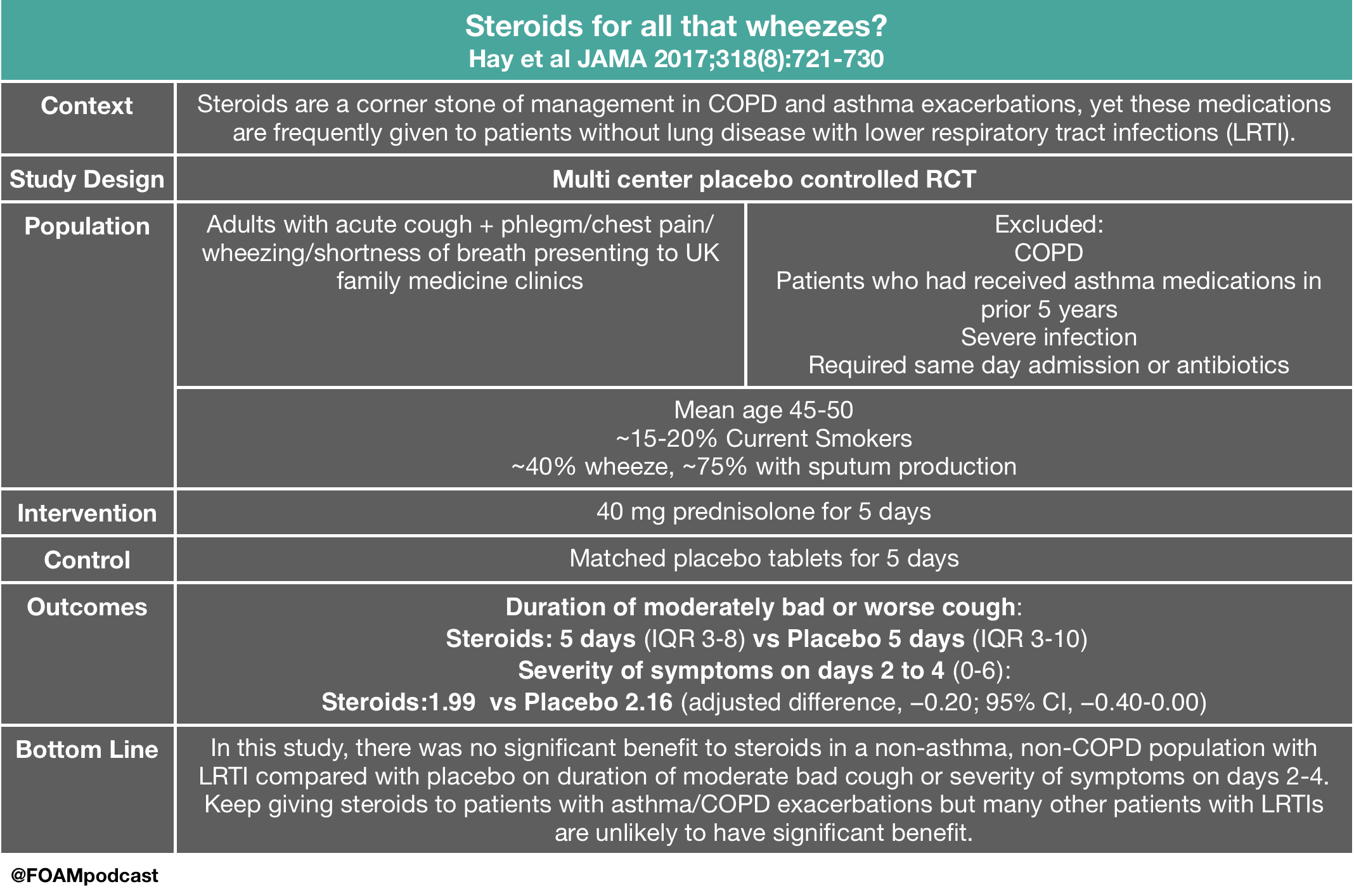 ENDAO – Caputo et al
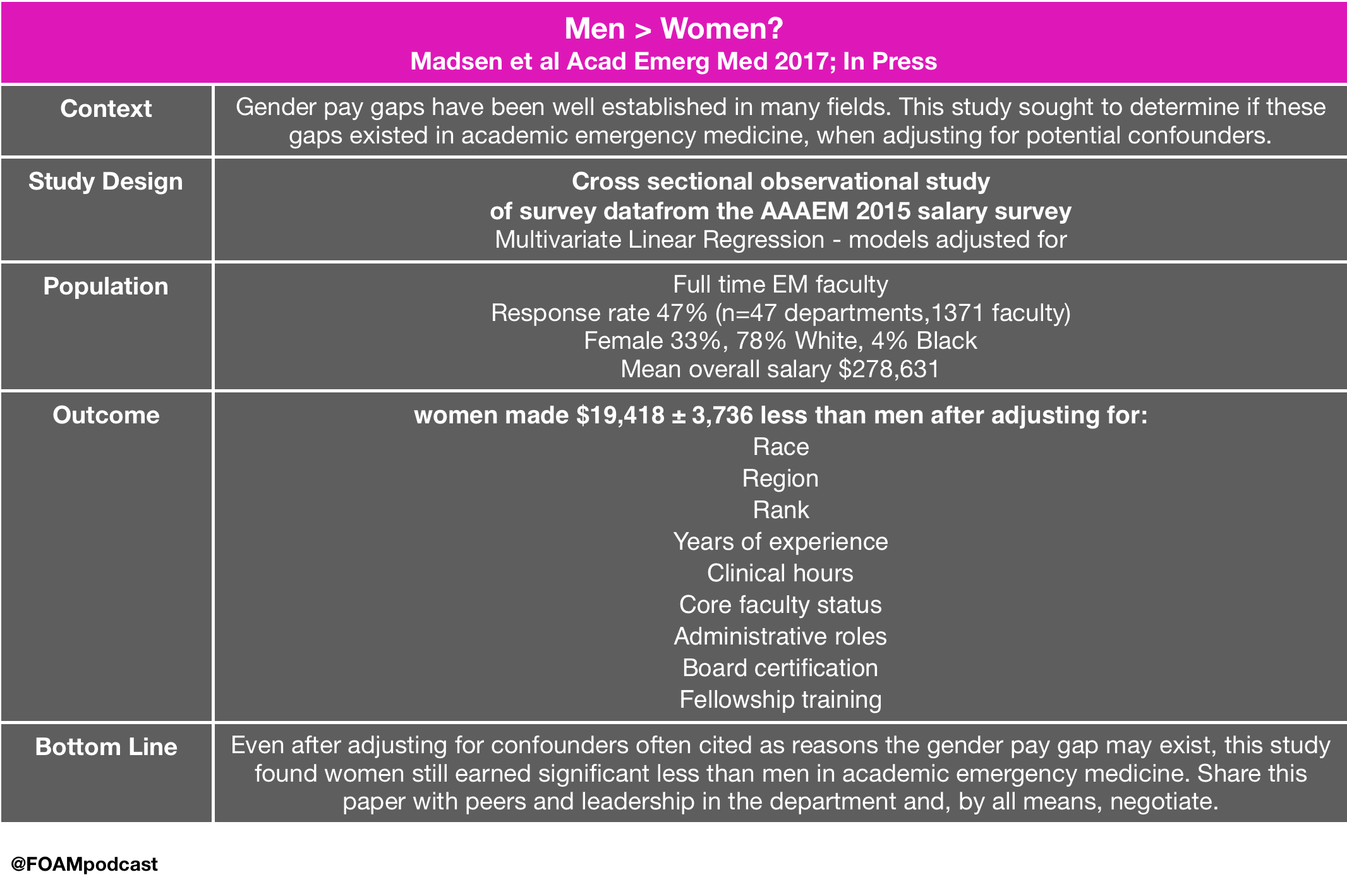
Gender pay gap persists in academic EM (and it’s not due to hours, rank, or roles) – Madsen et al
We are in Berlin for #dasSMACC and have lots of pearls to share from the speakers at this amazing conference. Talks will be released for free on the SMACC podcast over the next year, but this podcast holds some pearls that we thought couldn’t wait.
Overall trope of the conference….
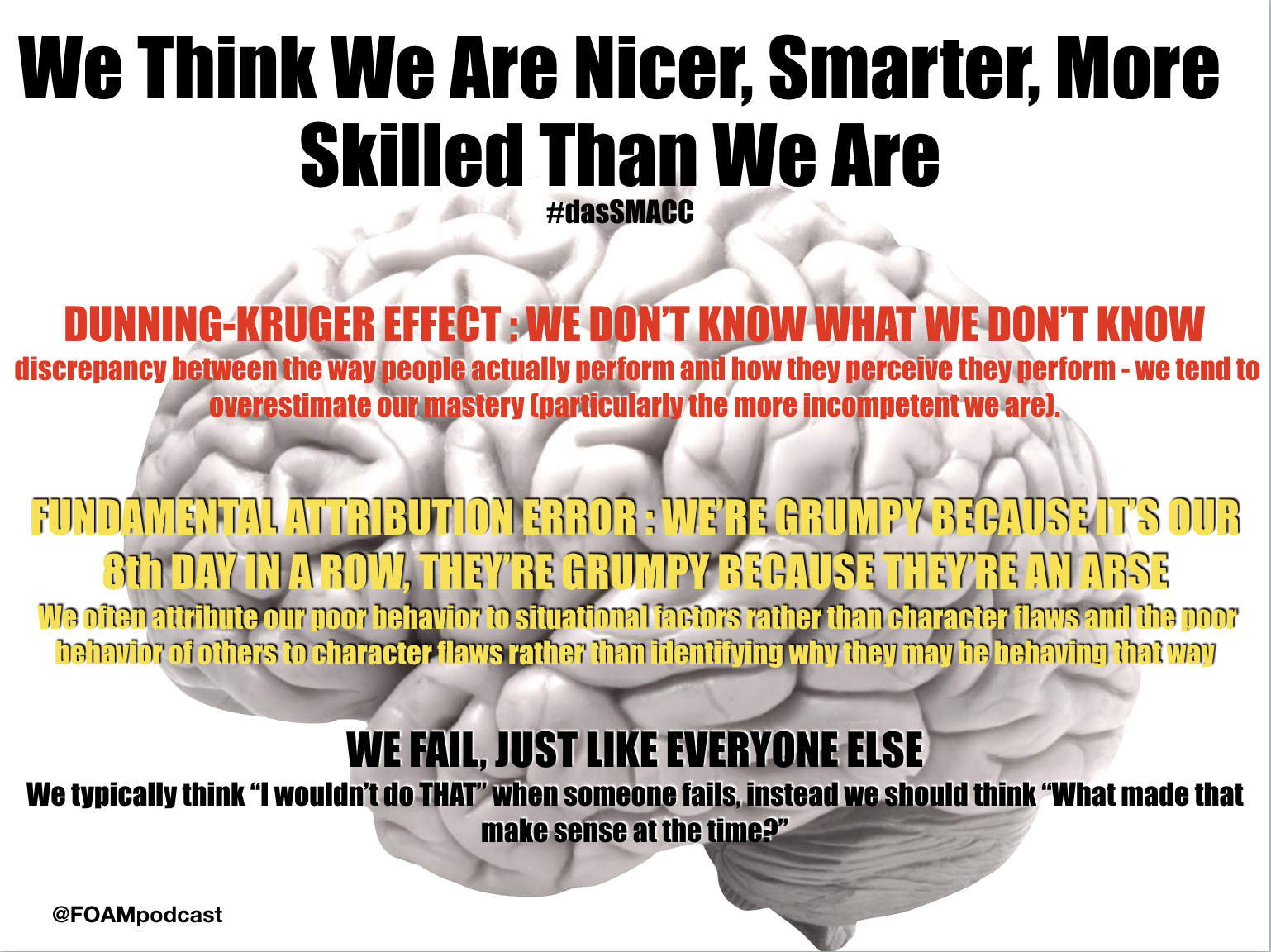
for more on the Dunning-Kruger effect check out this post
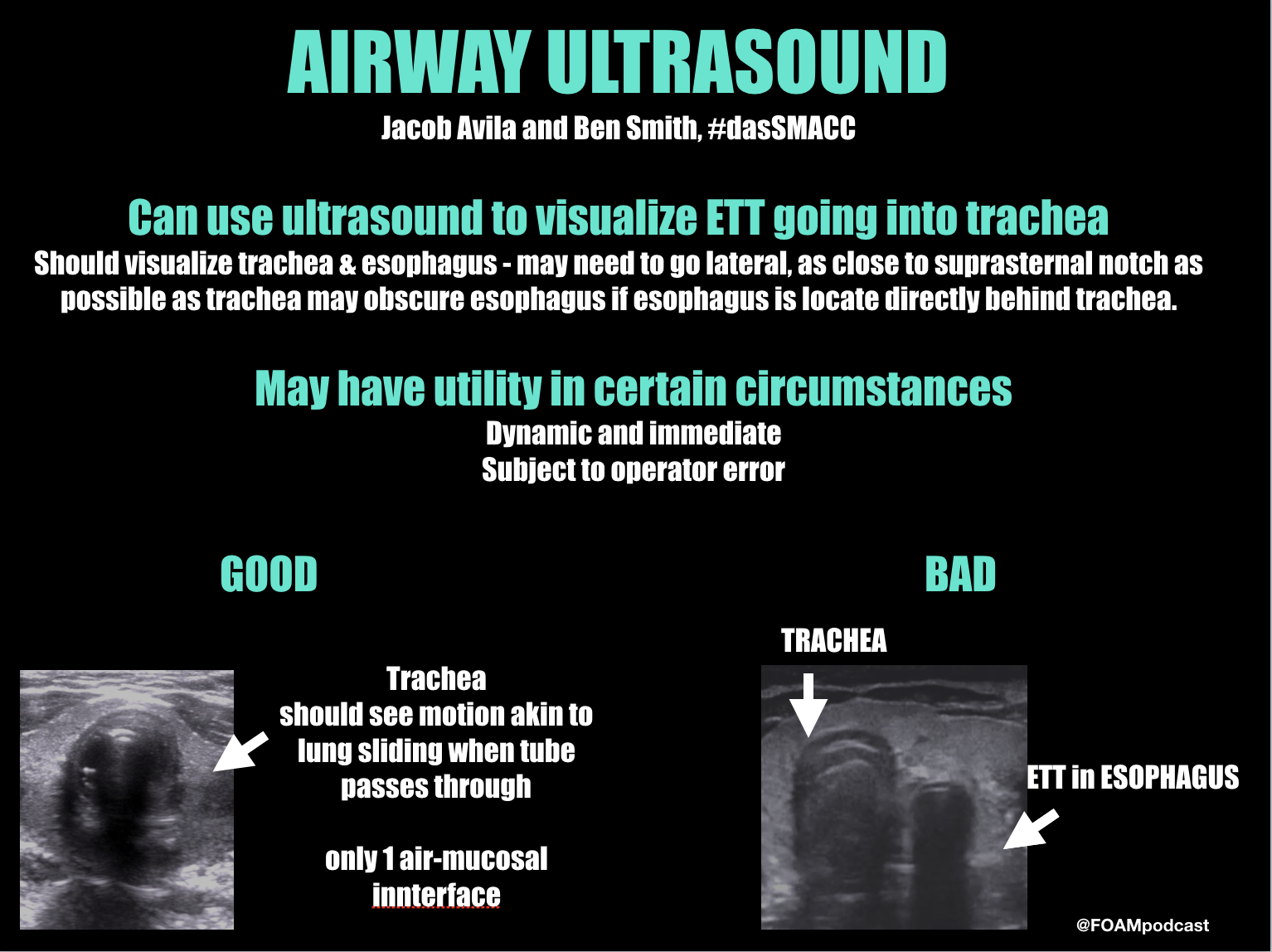
Drs. Jacob Avila and Ben Smith on Airway Ultrasound
Check out this 7-minute video on ETT placement confirmation using ultrasound
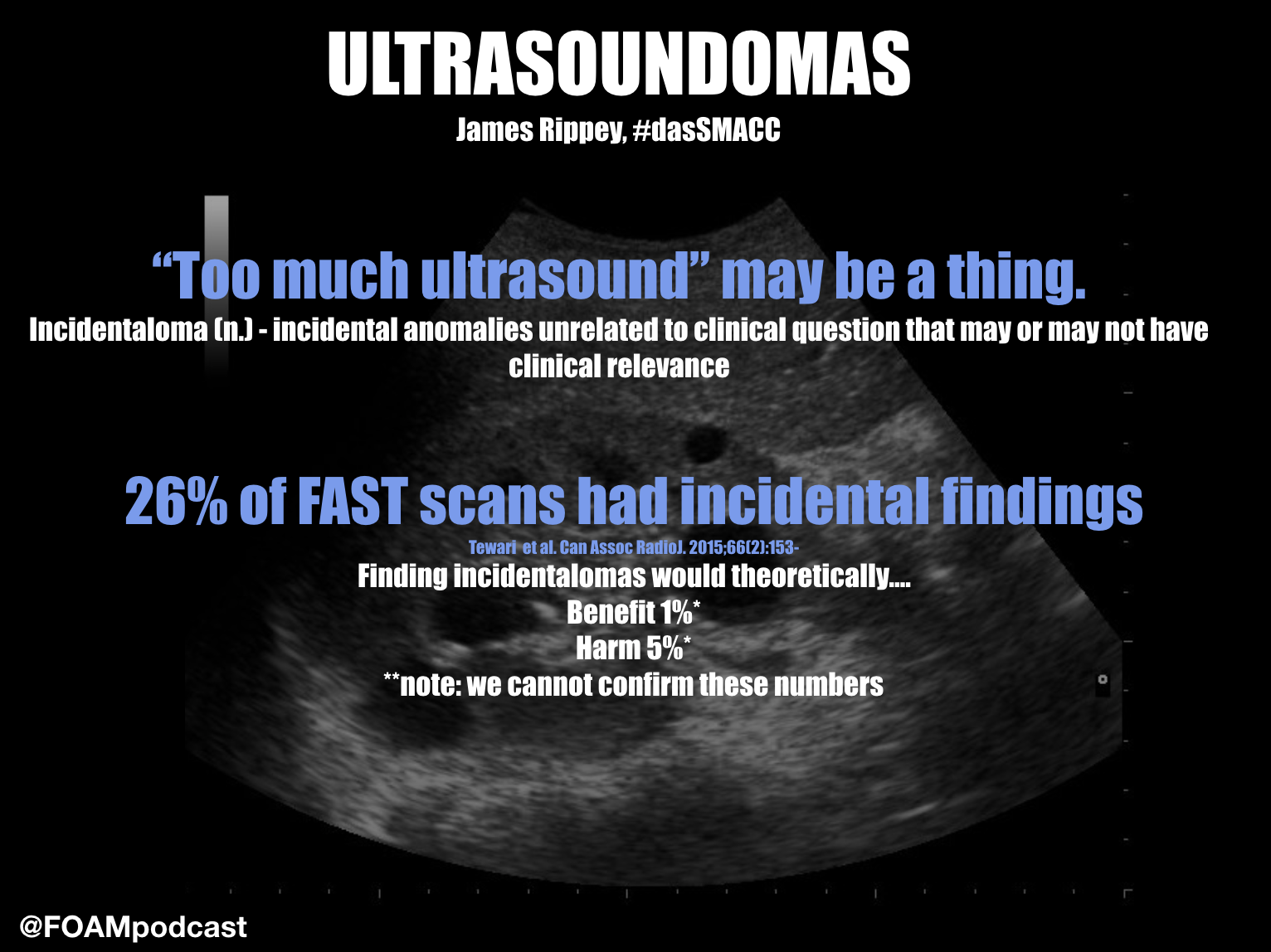
Dr. James Rippey on Point of Care Ultrasound Incidental Findings
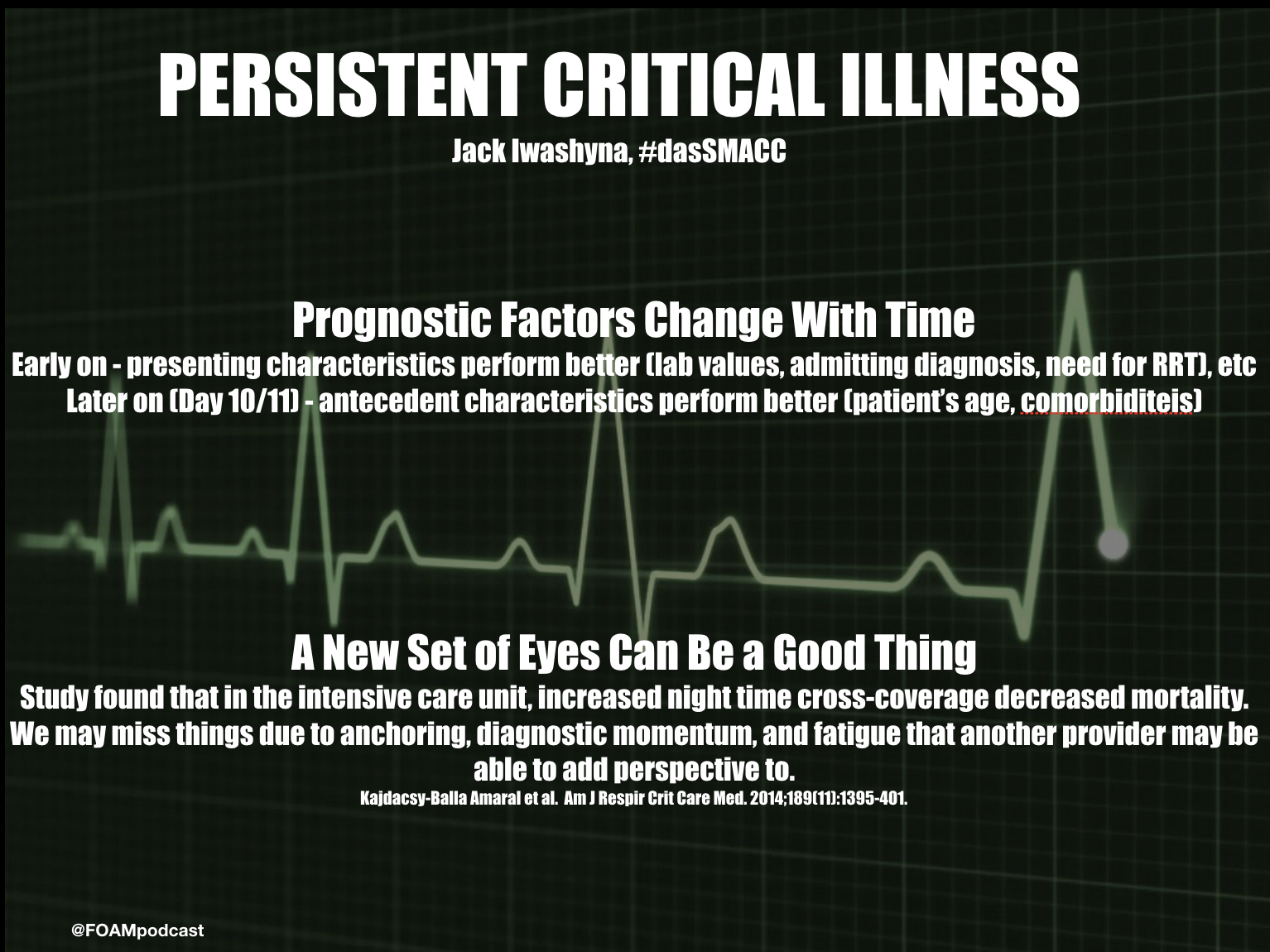
Dr. Jack Iwashyna on Persistent Critical Care
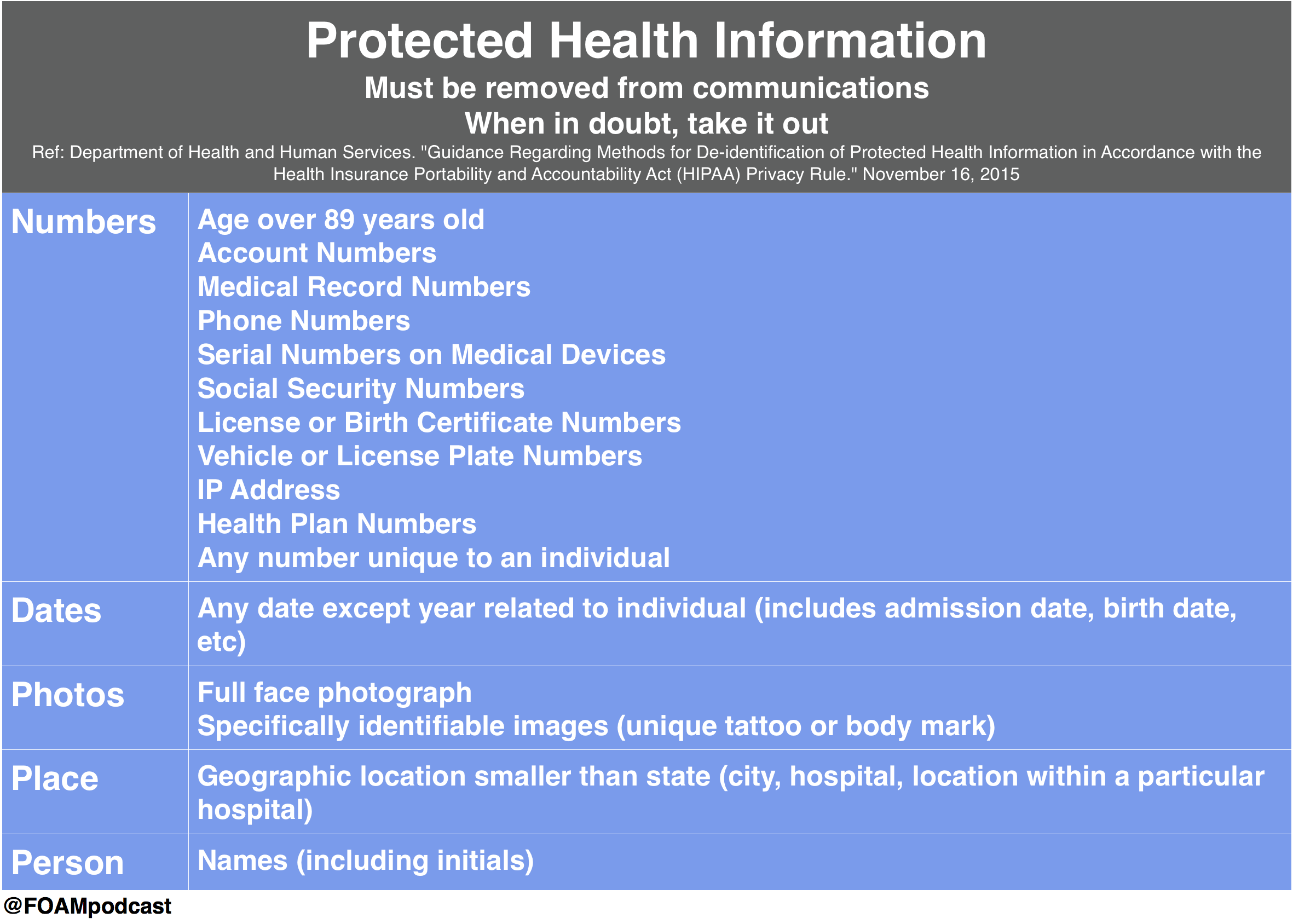
We interrupt our normal core content to cover an important topic highlighted in JAMA’s recent article, “Medical Texting and Protected Health Information. What is permitted?“
Other pearls:
Reference:
Department of Health and Human Services. “Guidance Regarding Methods for De-identification of Protected Health Information in Accordance with the Health Insurance Portability and Accountability Act (HIPAA) Privacy Rule.” November 16, 2015
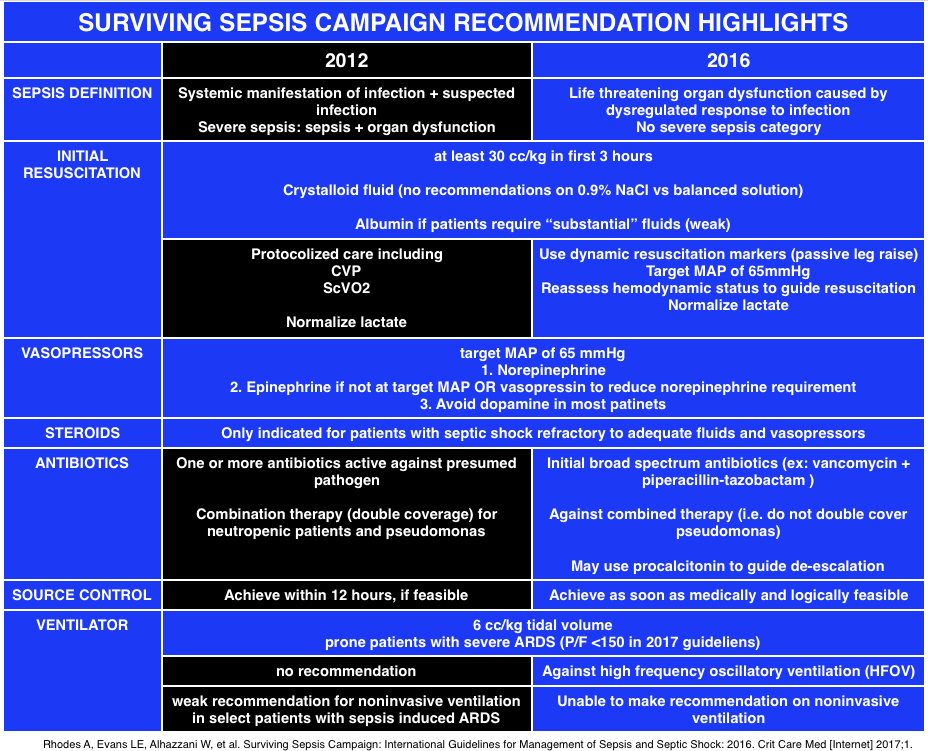
The new Surviving Sepsis Campaign Guidelines are out in Critical Care Medicine. The biggest change is the change in the definition of sepsis, which now uses the language of Sepsis 3.0, introduced in 2016. Other significant changes include dropping protocolized care (ex: early goal directed therapy), and recommending against combination antibiotic therapy (double coverage) for a single pathogen [1,2].
Bonus discussion on new validation study of qSOFA
References:
(iTUNES OR LISTEN HERE)
Article highlights of 2016
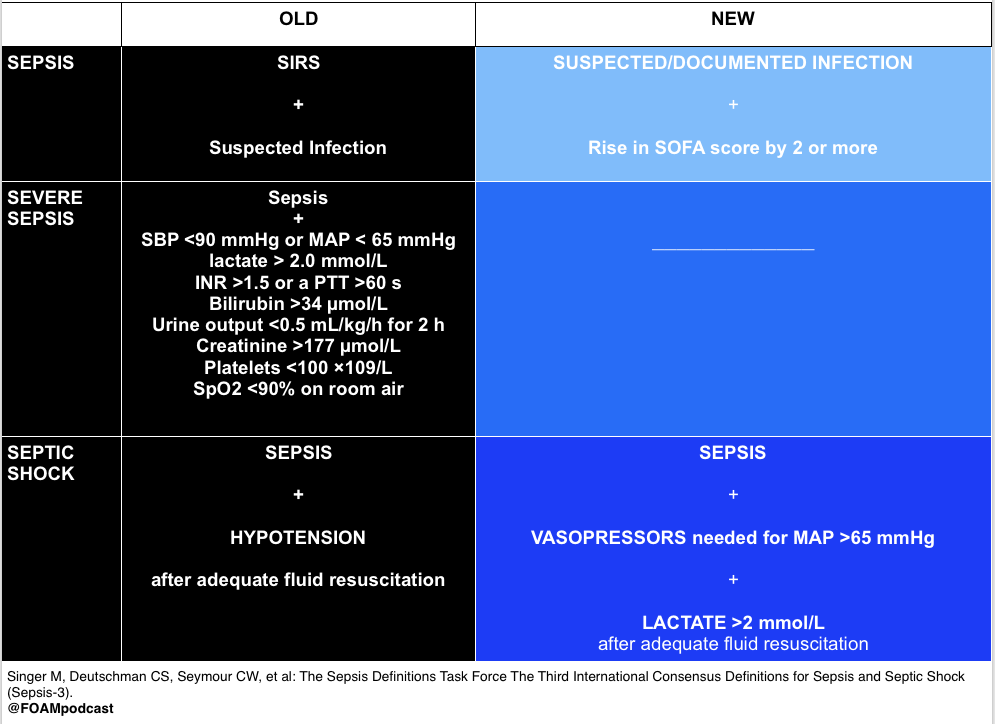
Sepsis 3.0
Singer M, Deutschman CS, Seymour CW, et al: The Sepsis Definitions Task Force The Third International Consensus Definitions for Sepsis and Septic Shock (Sepsis-3).
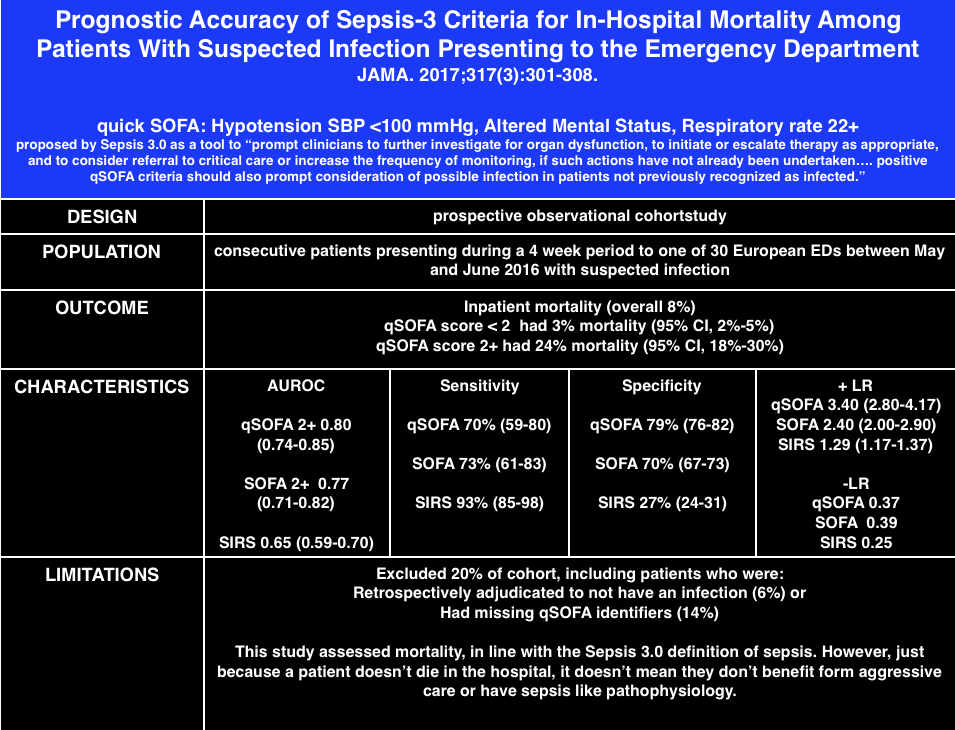
The quick SOFA score (qSOFA) also came out in hopes it “provides simple bedside criteria to identify adult patients with suspected infection who are likely to have poor outcomes.” It is not part of the sepsis definition but may help in identifying those that will die or have a 3 day ICU stay. Studies looking at the performance of qSOFA applied retrospectively to data sets have not been promising [1,2].
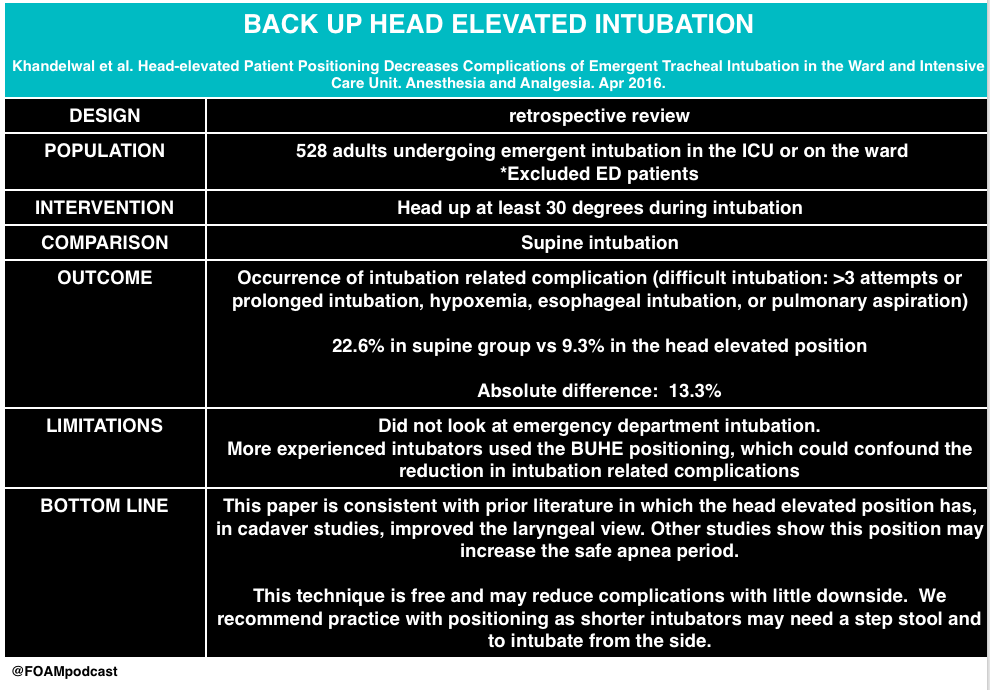
Back Up Head Elevated Intubation
Khandelwal et al. Head-elevated Patient Positioning Decreases Complications of Emergent Tracheal Intubation in the Ward and Intensive Care Unit. Anesthesia and Analgesia. Apr 2016.
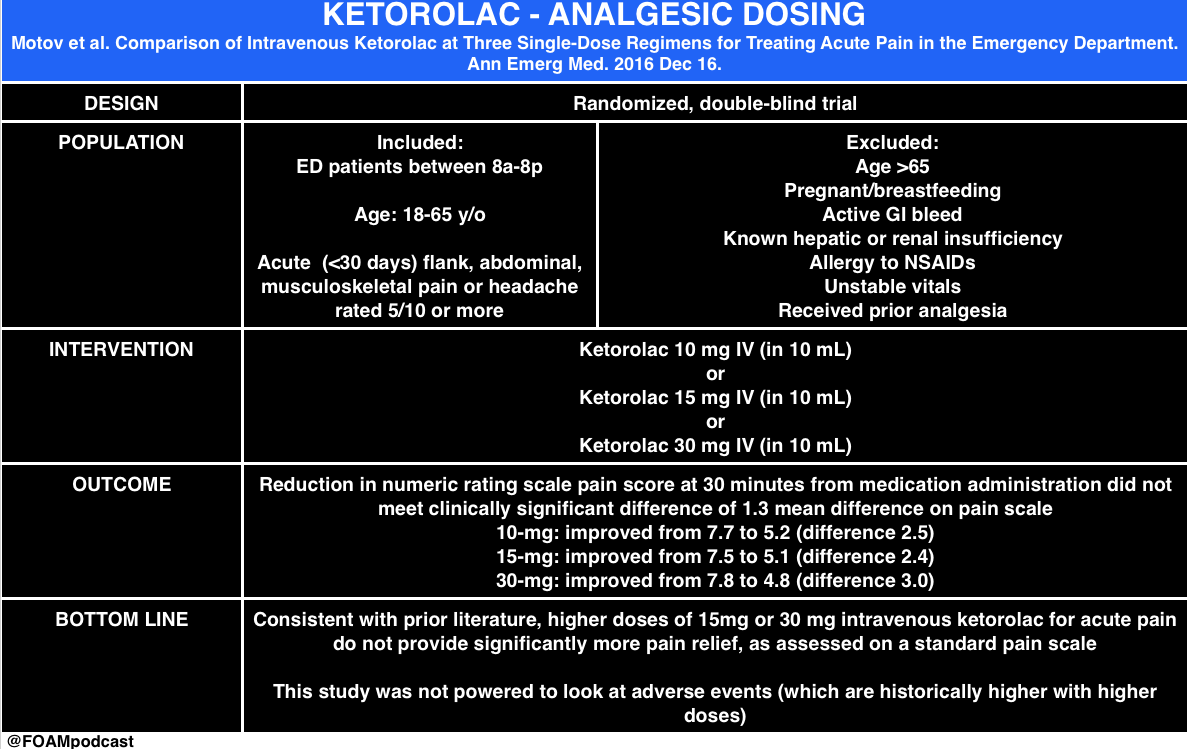
Ketorolac Dose
Motov, S, Yasavolian, M, Likourezos, A, et al. Comparison of Intravenous Ketorolac at Three Single-Dose Regimens for Treating Acute Pain in the Emergency Department. .Ann Emerg Med. 2016 Dec 16.
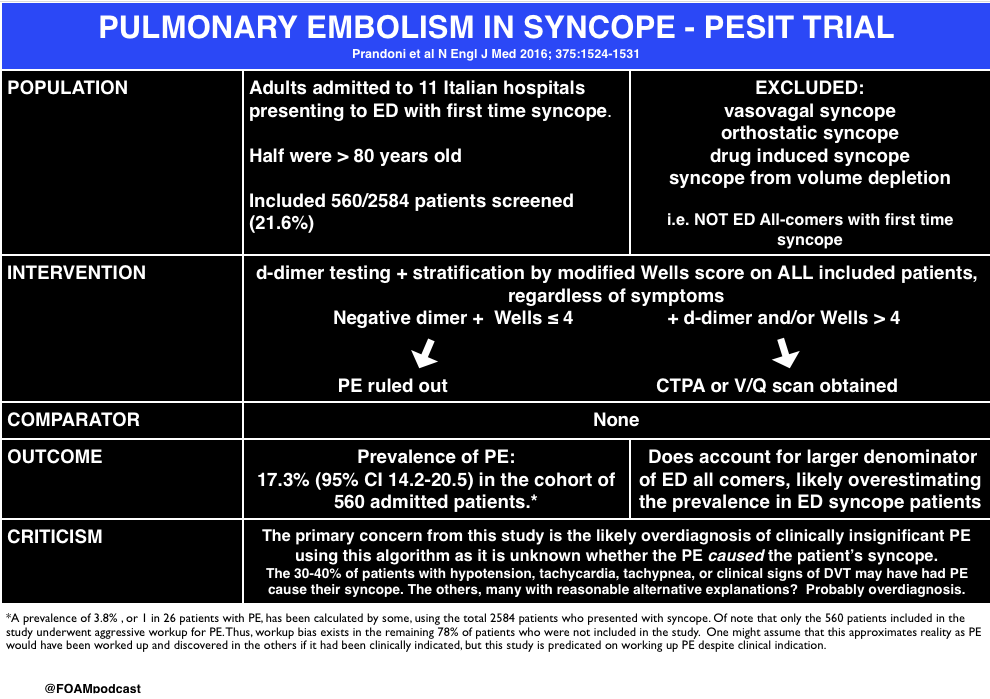
Pulmonary Embolism in Syncope
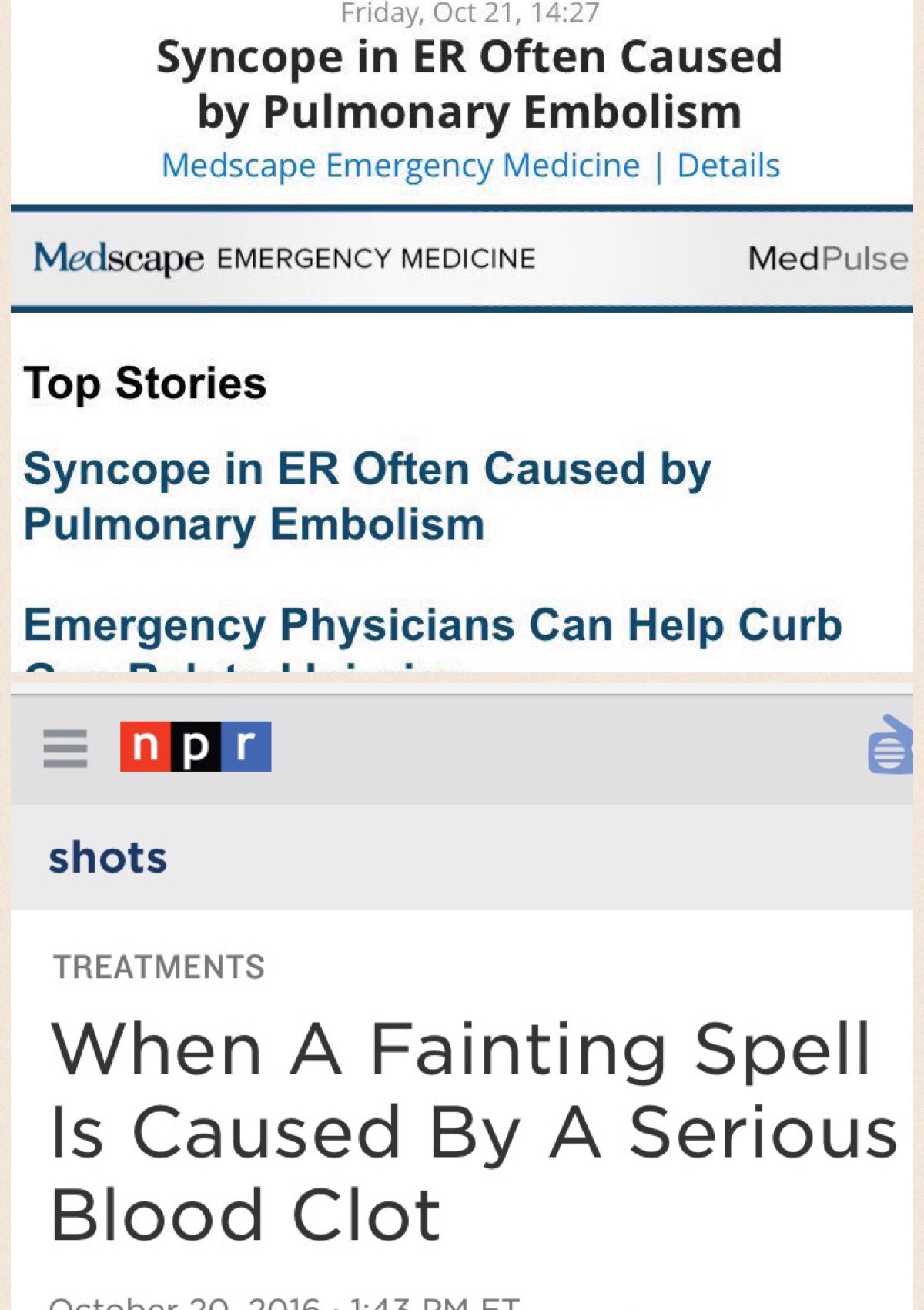
Prandoni et al. Prevalence of Pulmonary Embolism among Patients Hospitalized for Syncope. N Engl J Med 2016; 375:1524-1531. This trial is probably one of the most over-reacted to trials of 2016. News outlets, both by lay media and for health professionals overstated the claims of this trial.
What the trial actually did…
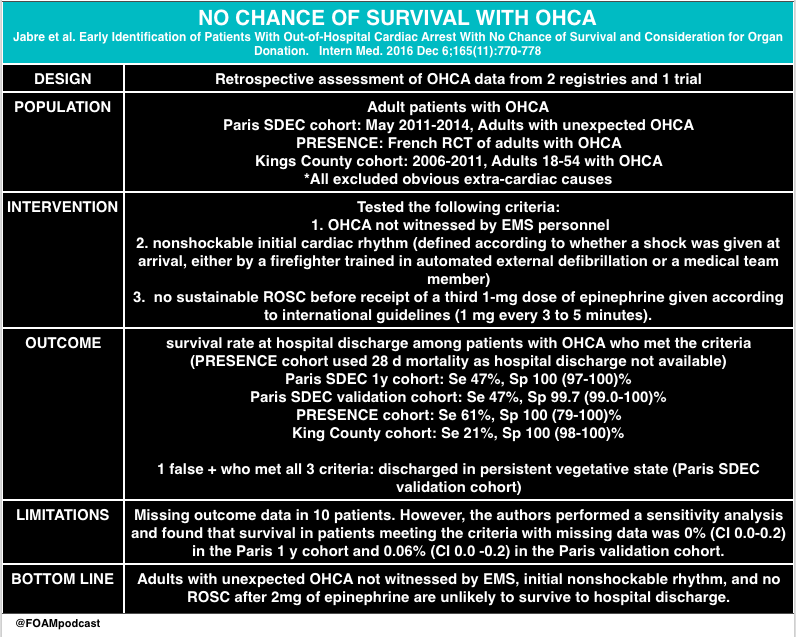
Out of Hospital Cardiac Arrest Prognostication
Jabre et al. Early Identification of Patients With Out-of-Hospital Cardiac Arrest With No Chance of Survival and Consideration for Organ Donation. Intern Med. 2016 Dec 6;165(11):770-778
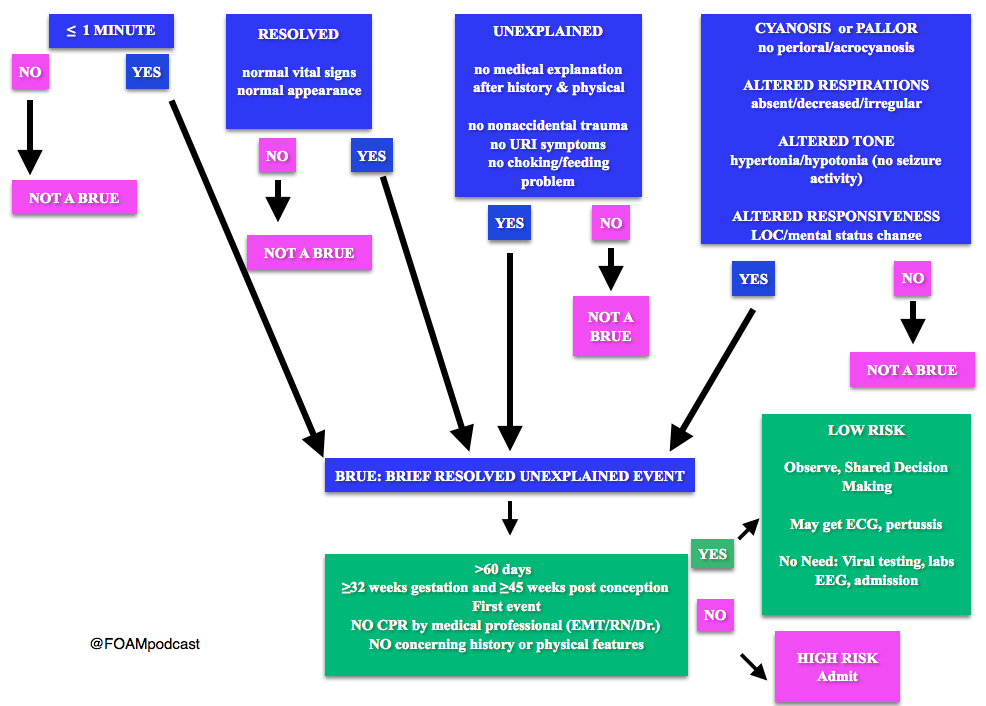
ALTE (Apparent Life Threatening Event) is out, replaced with a new definition and classification, BRUE (Brief Resolved Unexplained Event).
Brief Resolved Unexplained Events (Formerly Apparent Life-Threatening Events) and Evaluation of Lower-Risk Infants: Executive Summary. Pediatrics. 2016
References:
(ITUNES OR LISTEN HERE)
We are in Las Vegas at ACEP 2016 thanks to Annals of Emergency Medicine and ACEPNOW and discuss high yield or cutting edge lectures each day.
Dr. Matthew DeLaney – 21st Century Snake Oil (Placebos)
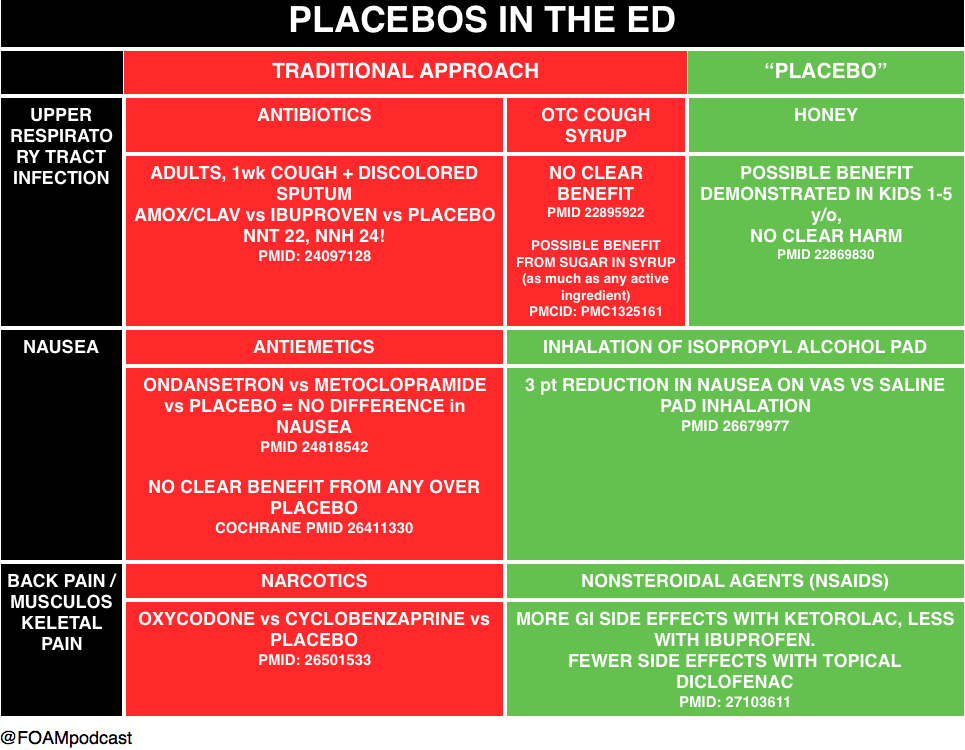
SGEM http://thesgem.com/2013/03/sgem26-honey-honey/
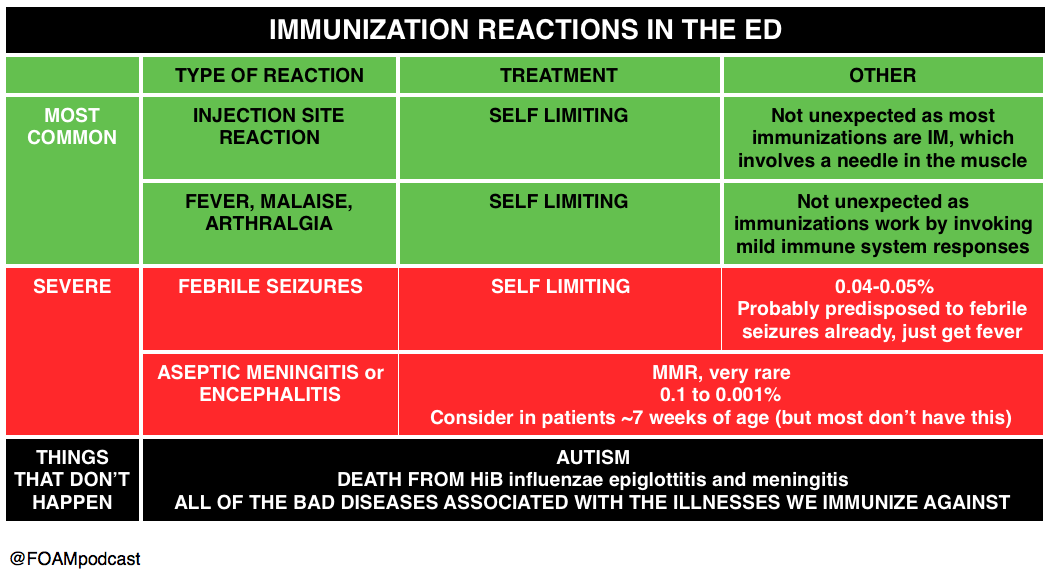
Dr. Al Sachetti – Immunization Reactions in the Emergency Department
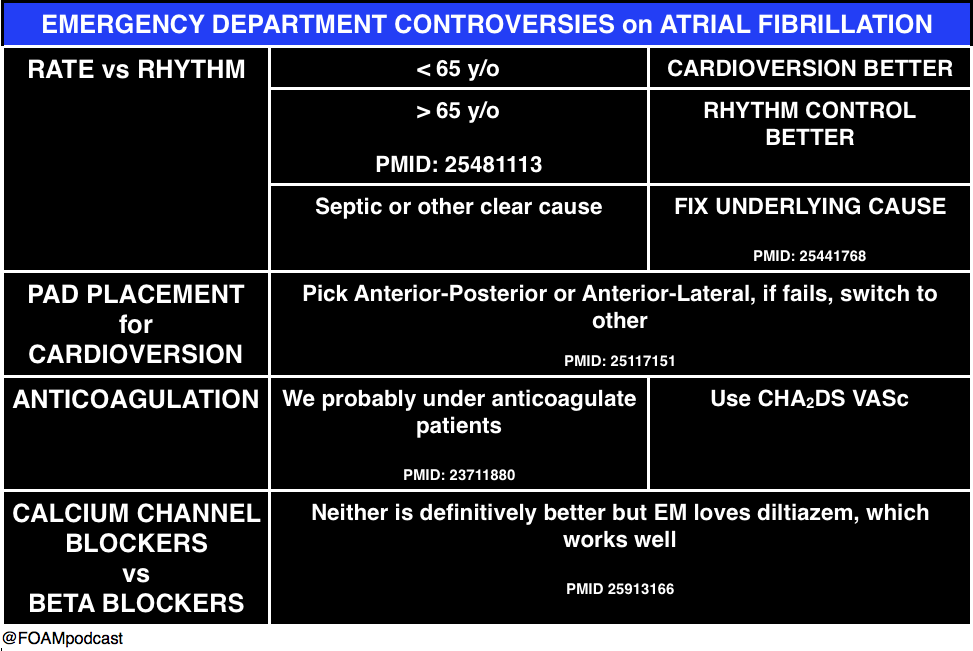
Dr. Corey Slovis – Atrial Fibrillation
References:
We are in Las Vegas at ACEP 2016 and discuss high yield or cutting edge lectures each day.
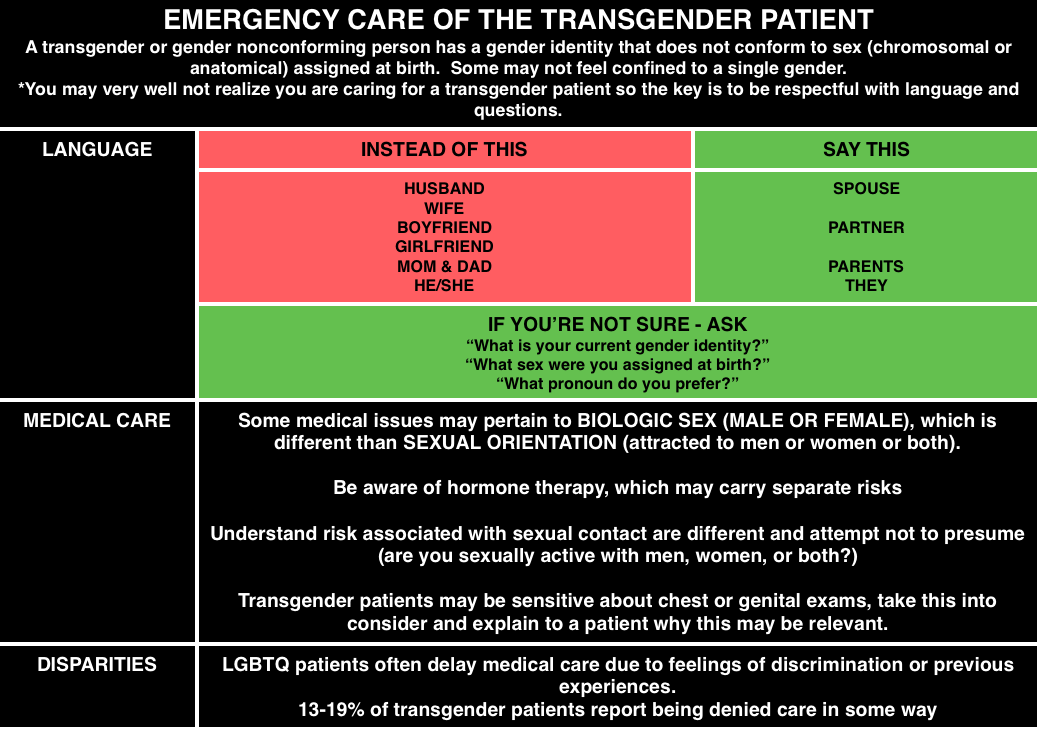
Dr. Anne Daul – Emergency Care of the Transgender Patient
Most emergency medicine physicians and trainees lack training in caring for LGBTQ patients, let alone transgender patients [1]. Many members of the LGBTQ community may have delays in medical care including 21% of transgender patients in a Canadian survey[2]. Also, according to a 2010 task force, 19% of transgender patients report being denied care in some way [3].
Here is a video from SMACC Dublin from Thom O’Neill on caring for LGBT youth
https://www.youtube.com/watch?v=7ZsYgftEv2U&feature=youtu.be
Check out these FOAM resources from EPMonthly and Mayo.
Dr. David Callaway – Active Shooter
2% of active shooter events take place in the health care setting.
Plan of Action in Active Shooter Scenario: AVOID DENY DEFEND TREAT
Dr. Kevin Klaur – Lawsuits
Documentation and discharge instructions repeatedly come up in lawsuits.
Dr. Klauer also gave some general pearls on lawsuits – high numbers for orthopedics/missed fractures and administration of RhoGham. An additional pearl he gave was for cauda equina.
One ACEP16 lecturer talked about magnesium use in alcohol withdrawal – probably not ready for prime time, Cochrane agrees [4].
References:
Just in time for the new interns, we review our favorite resources to use on shift.
Free Open Access Medical Education (FOAM) exists in forms that are suitable for self-study or function as resources and those that are easy to use resources to consult on shift, Just In Time (JIT) Resources.
Our Favorite Free JIT Resources
[table id=1 /]
We cover pearls from smaccDUB (Social Media and Critical Care Conference in Dublin, Ireland), Day 3. We are here thanks to the Rosh Review.
Dr. Scott Weingart – “Post-Intubation Sedation“
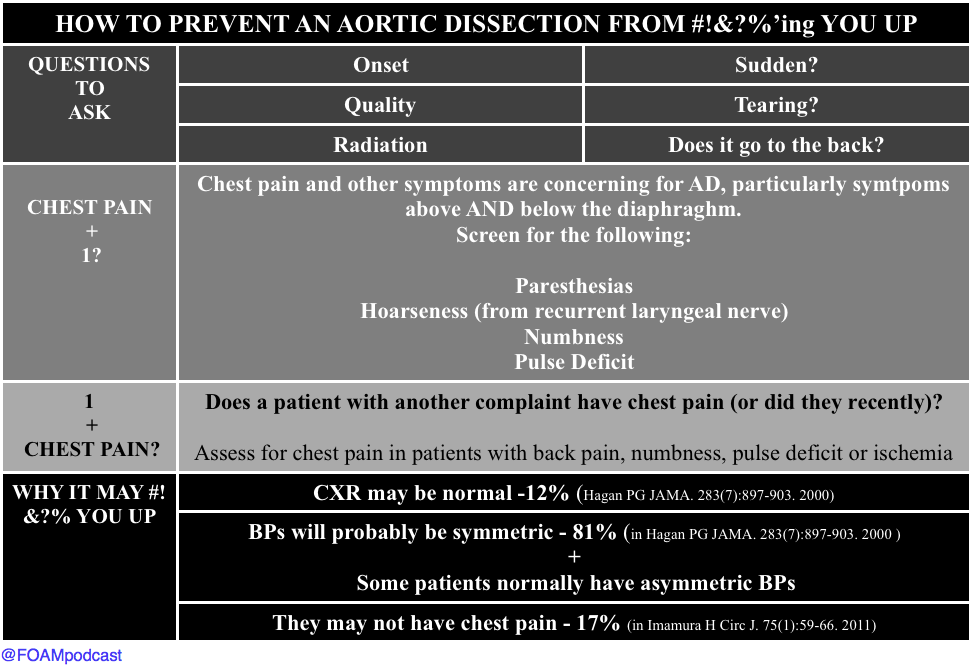
Dr. David Carr – “The Aorta Will #!&?% You Up”
Dr. Kathleen Thomas – “Oh Sh**! They’re bombing the hospital!”
We should not need a website entitled STOPBOMBINGHOSPITALS.ORG but, unfortunately, over the past 4 years, 400 hospitals have been bombed. This passionate, wrenching talk is a “must see” and “must listen” when the free talks are released on the SMACC podcast over the course of the next year.
References