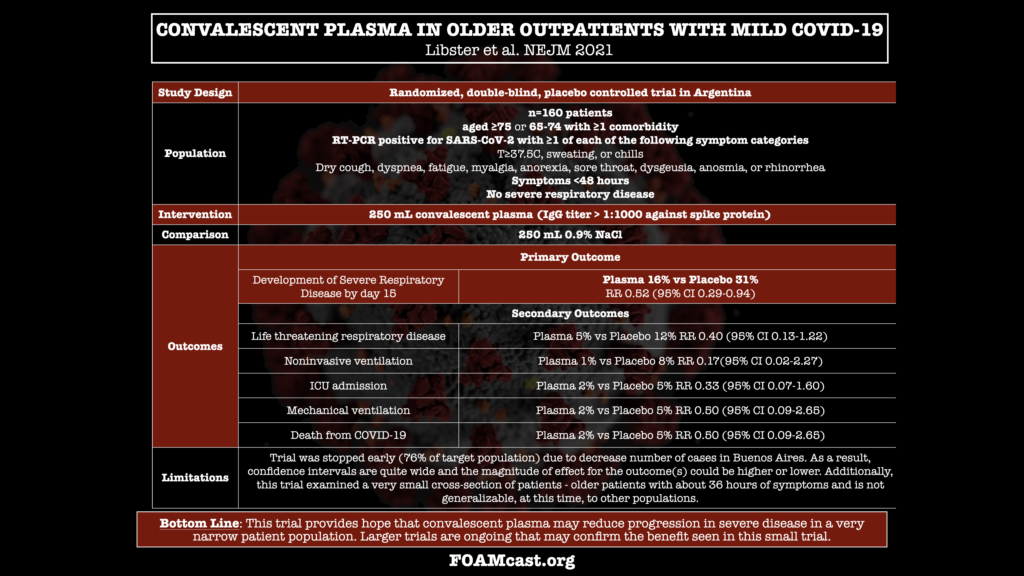
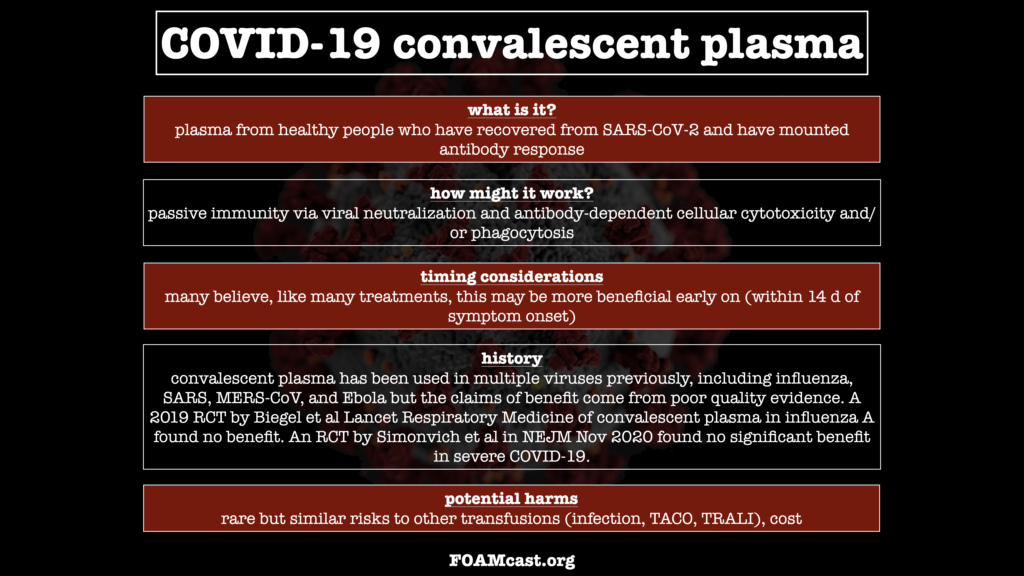
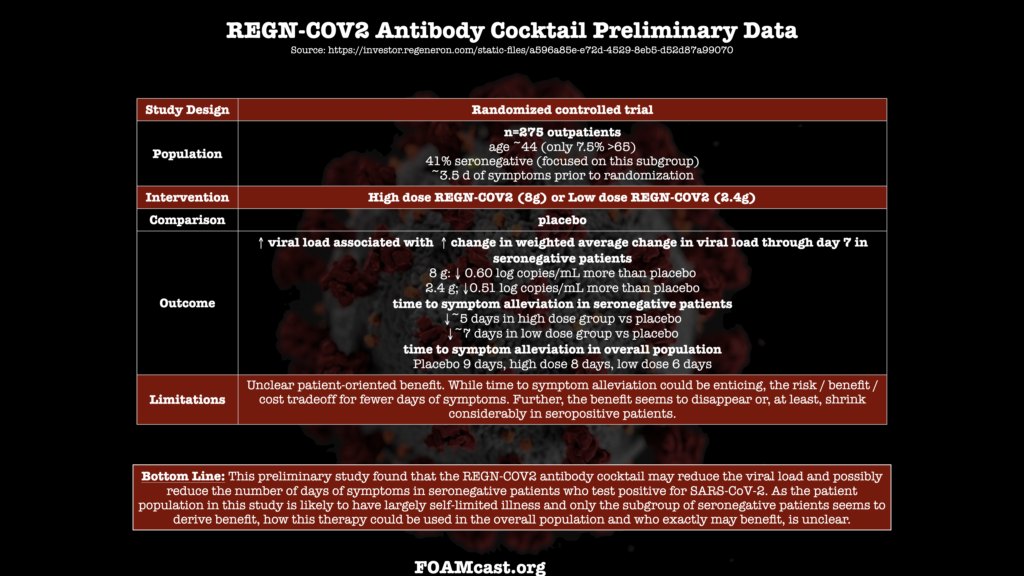
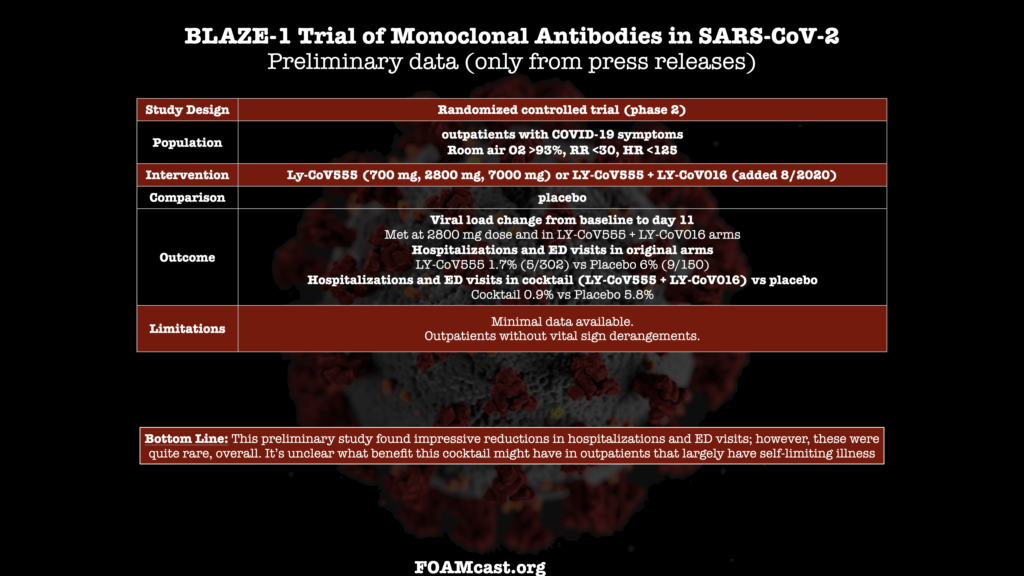
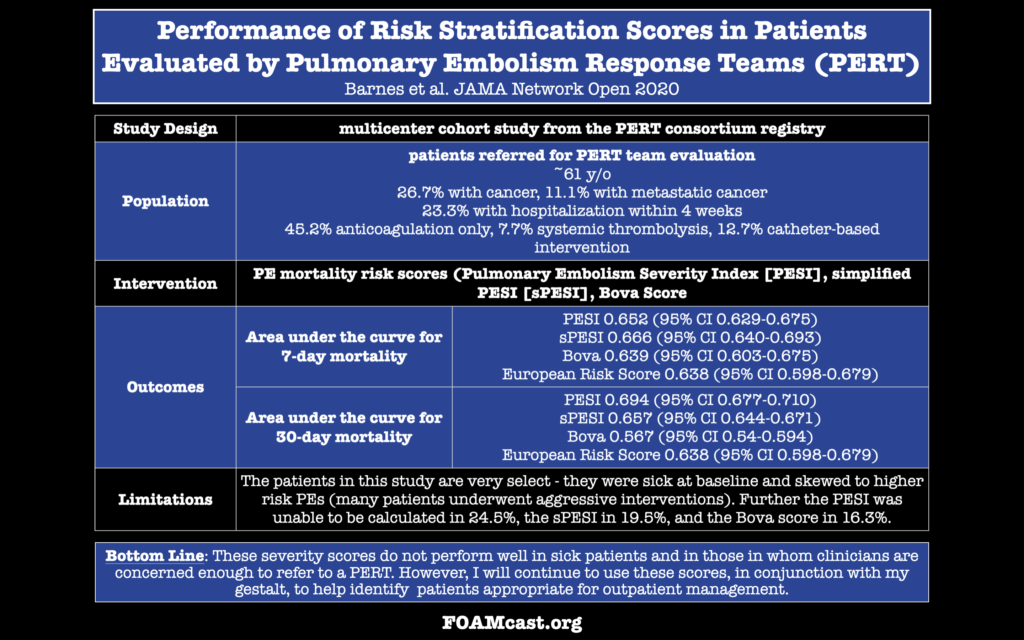
In this podcast, we cover a new article on convalescent plasma – this time, one that is promising! We cover Libster et al in NEJM, an RCT that administered placebo or plasma to older outpatients with mild COVID-19.
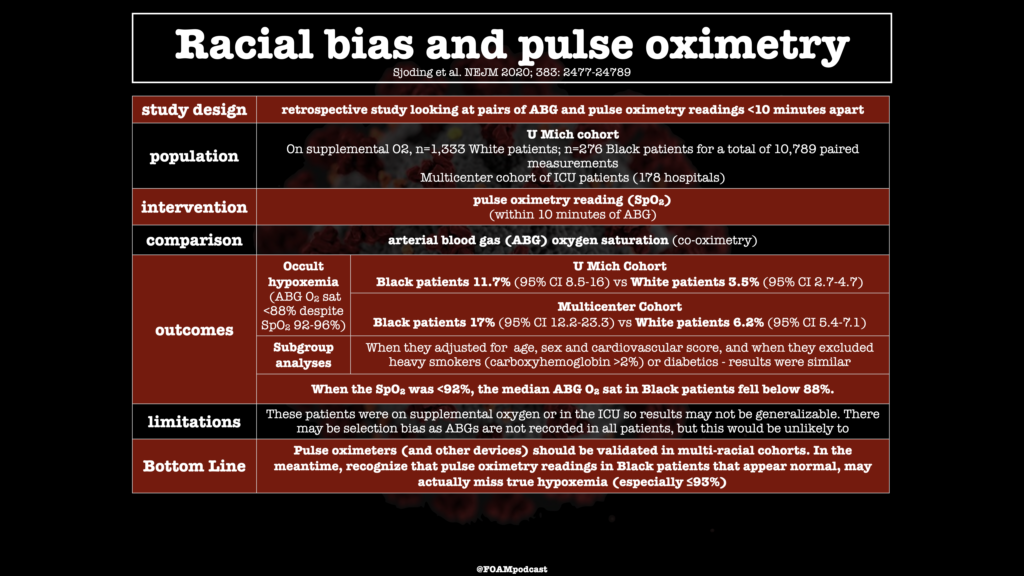
Pulse oximetry is one of the key vital signs that we use to triage patients and make treatment and disposition decisions. Especially during the COVID-19 pandemic, when hospitals are full, many hospitals are using pulse oximetry thresholds to determine outpatient versus inpatient management. Despite the ubiquity of pulse oximetry, prior studies have found that the devices might not be as accurate in patients with different skin pigmentation. In this podcast we review a new article in NEJM.
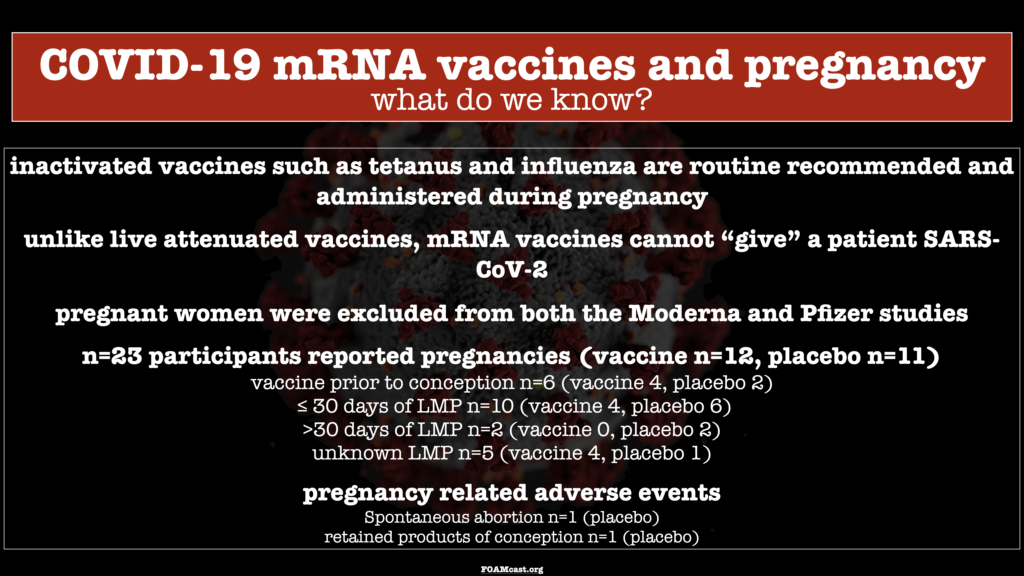
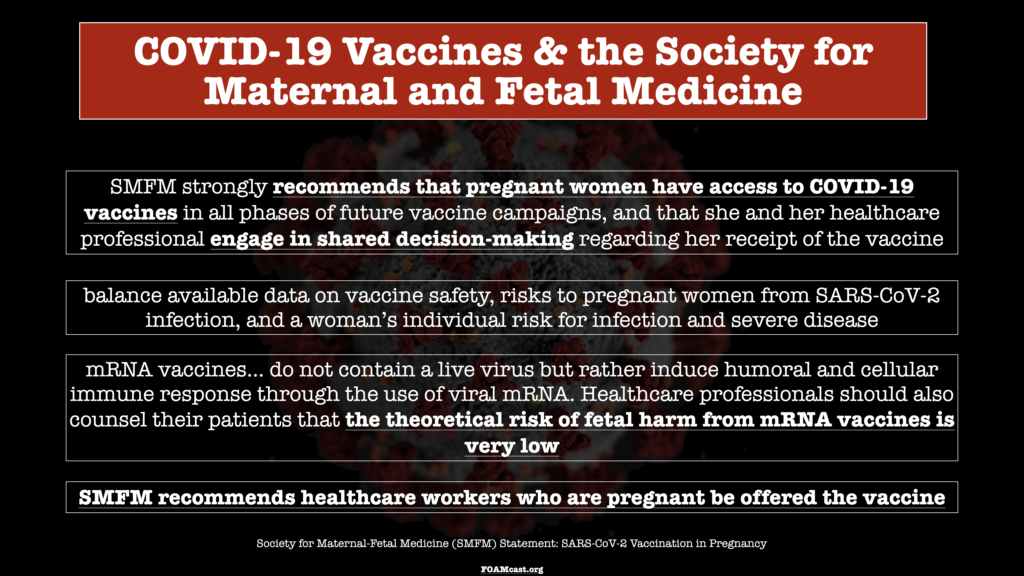
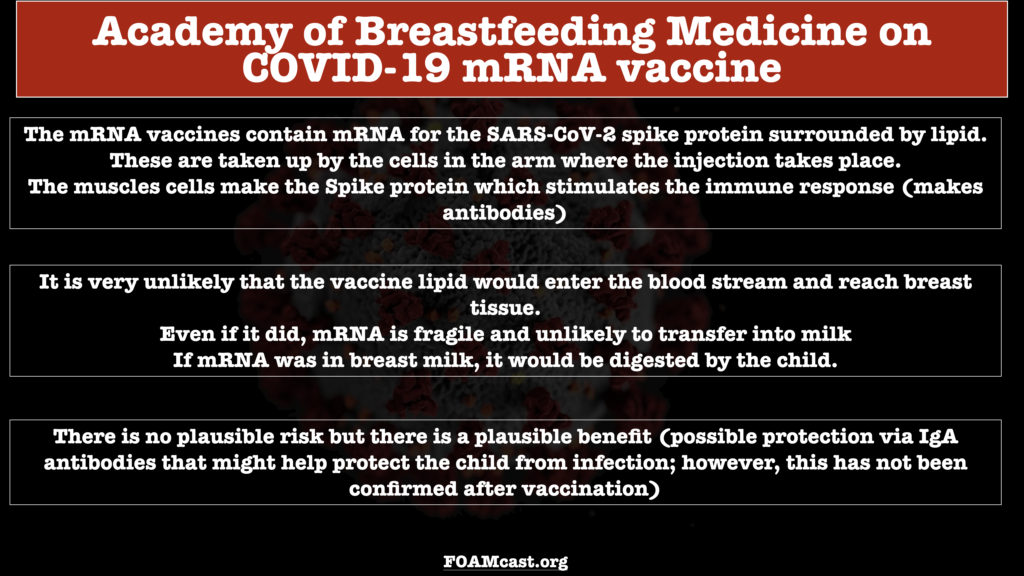
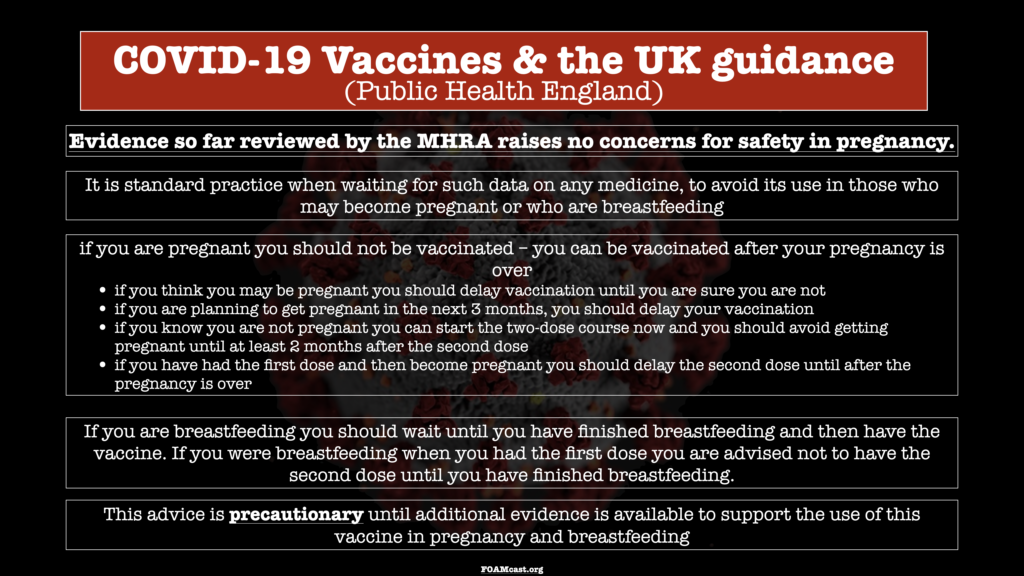
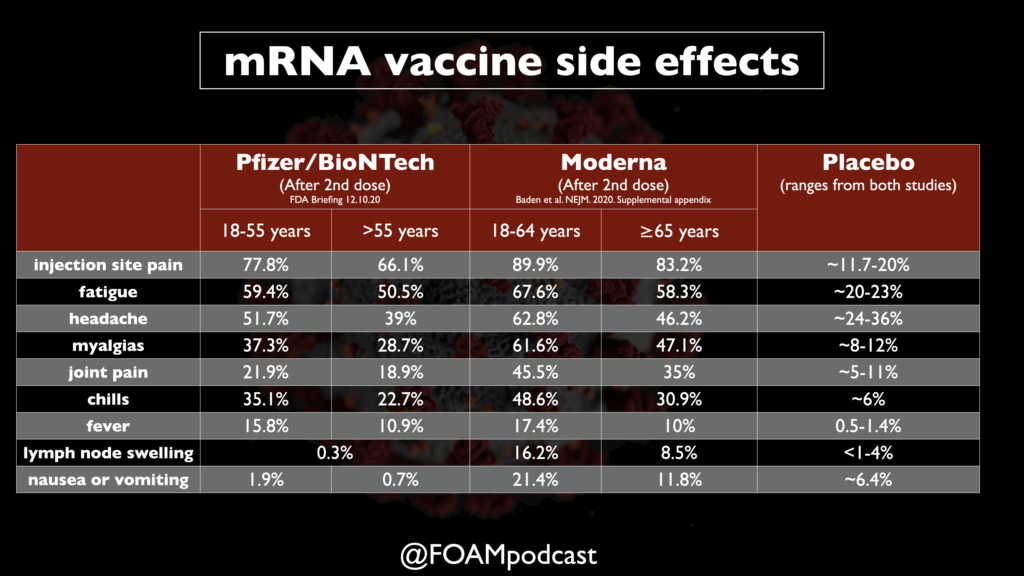
Despite multiple Phase II/III vaccine trials of >30,000 participants, pregnant patients or those who are lactating have been largely excluded. In this podcast, we cover what we know (and what we don’t know thus far). The Pfizer BNT162b2 trial data submitted for FDA Emergency Use Authorizationdoes include information on a minuscule number of patients who were immunized and became pregnant, as does the Moderna briefing. Although the risk of the vaccine in pregnancy is thought to be very low, the decision to receive the vaccine during pregnancy should balance the risks of the pregnant individual (to their health/family etc) and their comfort. At the University of Massachusetts Medical School – Baystate, we created a decision aid to help.
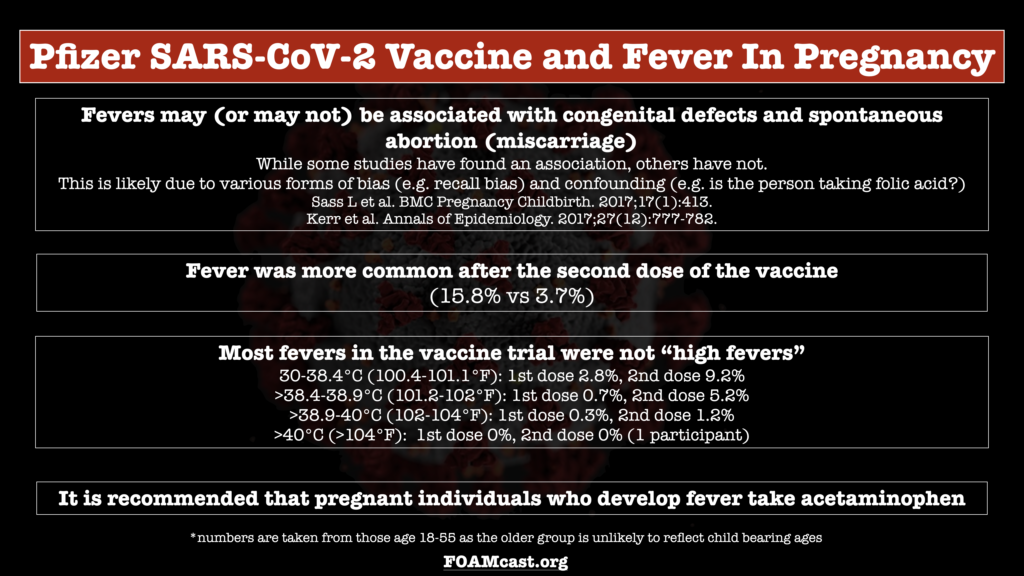
The biggest potential risk appears to stem from the reactogenicity of the vaccine – specifically the development of fever. However, the evidence on the harms from maternal fever during pregnancy is variable. Regardless, individuals who are pregnant and receive the vaccine, should probably take acetaminophen if they develop fever.
In the United Kingdom, Public Health England has released guidance for their population on vaccination in pregnancy and breastfeeding which are rooted in the lack of data
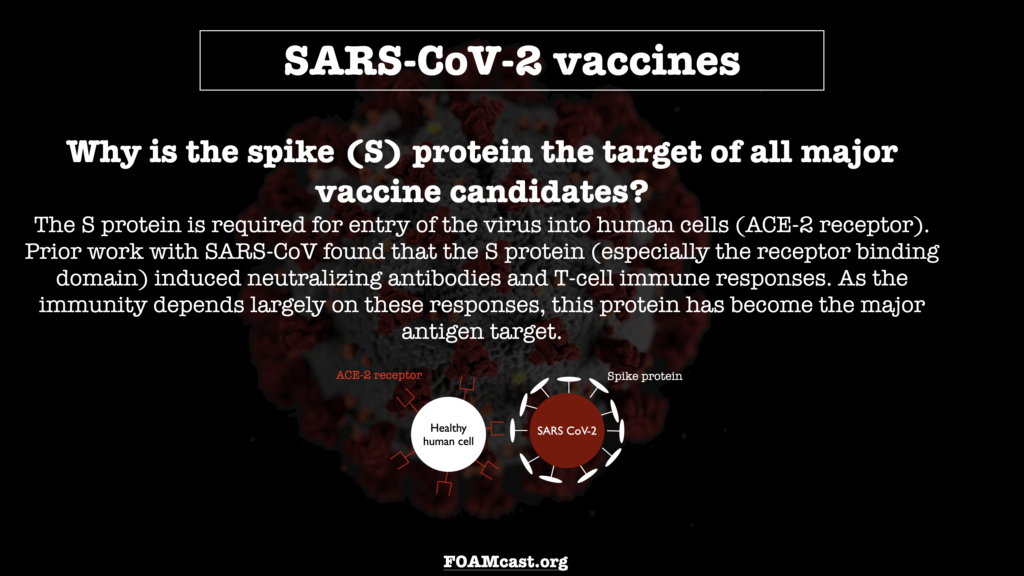
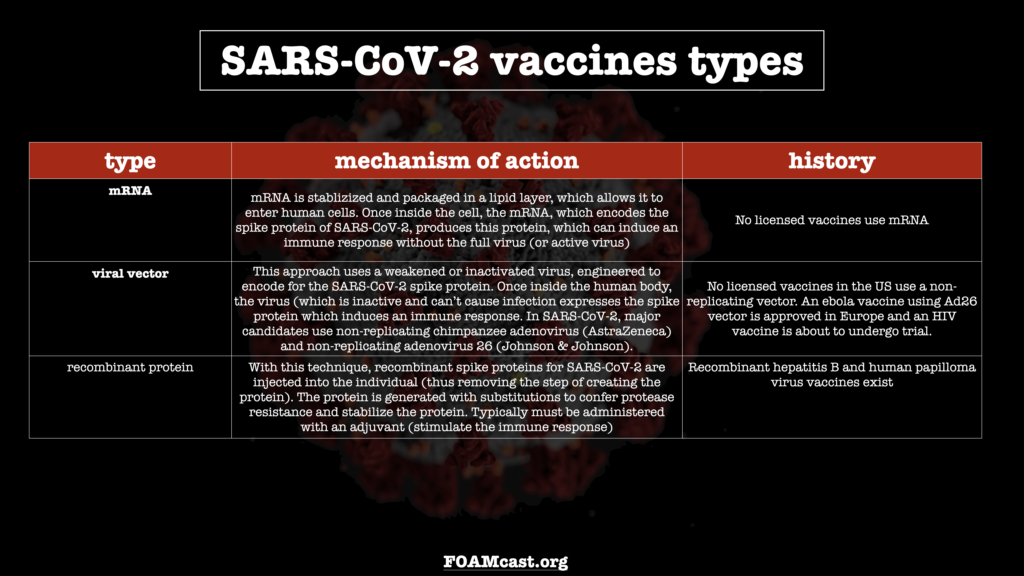
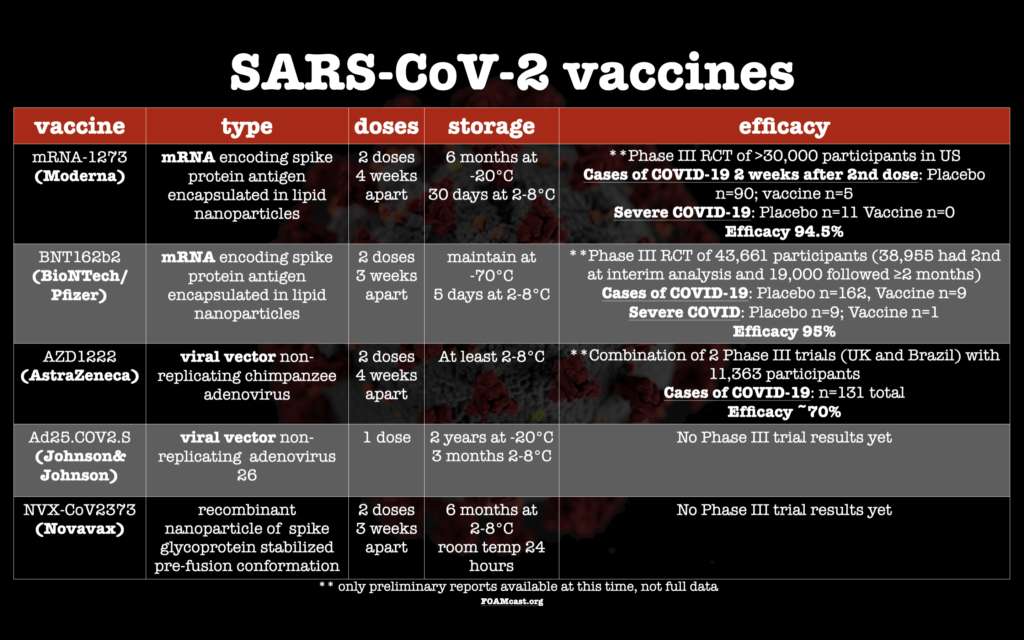
In this episode, we review what we know, as of November 29, 2020, about the major SARS-CoV-2 vaccine candidates – their mechanisms of action and preliminary data. Be aware that most of the data is preliminary and exact numbers may change (and long-term data is not yet available)
In this episode we review Cannabinoid Hyperemesis Syndrome (CHS / Cannabis Hyperemesis Syndrome) which is characterized by
daily cannabis use on a chronic basis
typically use high doses
and symptoms generally resolve within days of cessation of cannabis use
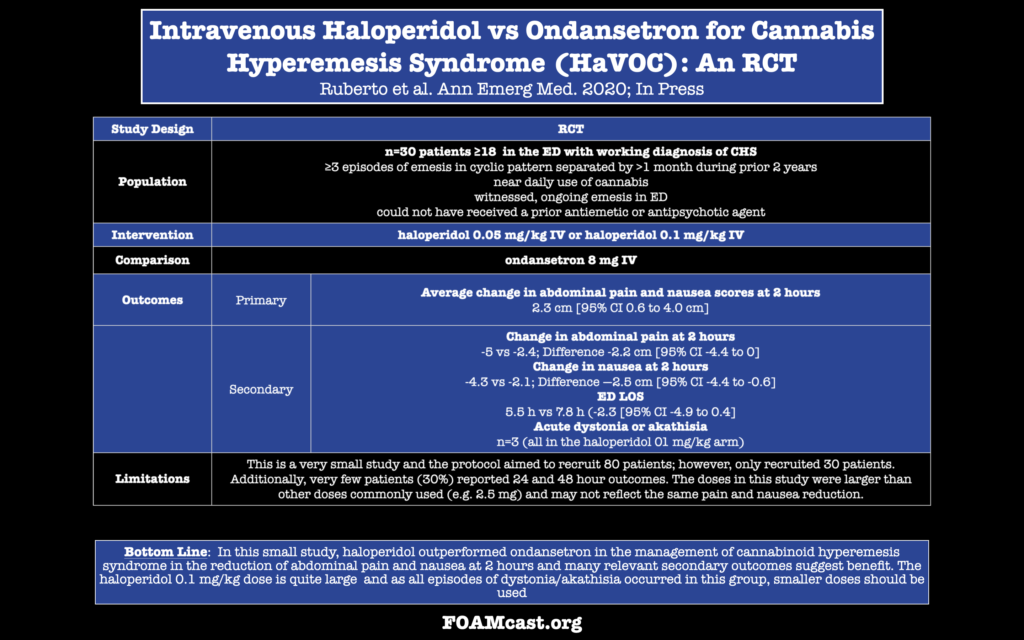
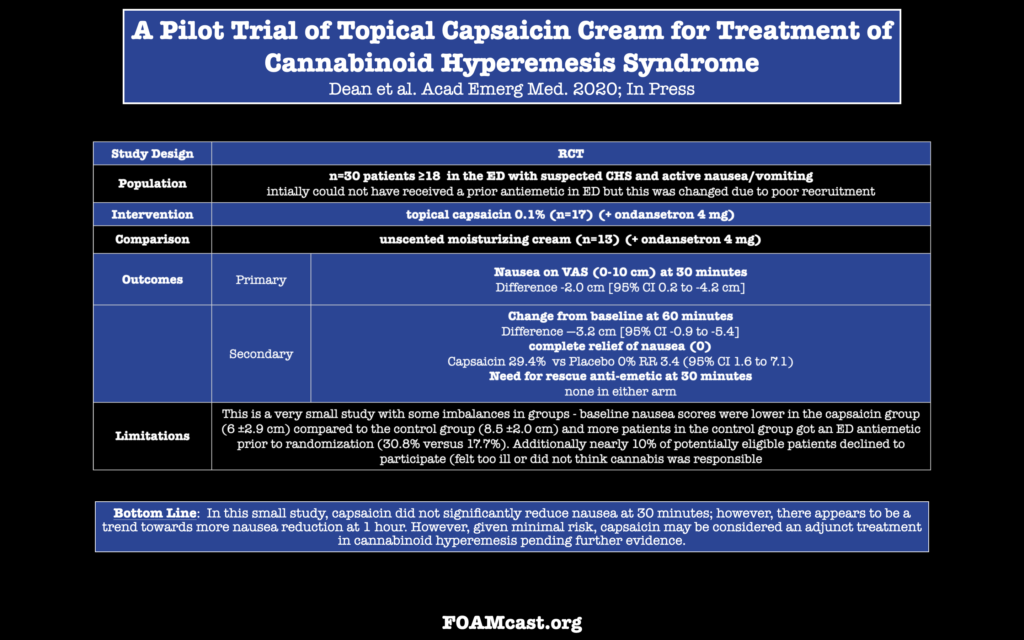
The nausea and vomiting may be temporarily relieved by hot showers but can be refractory to traditional antiemetics, such as ondansetron and the butyrophenones (haloperidol/droperidol) have been anecdotally used with success, as has capsaicin. We review new articles on the treatment of CHS
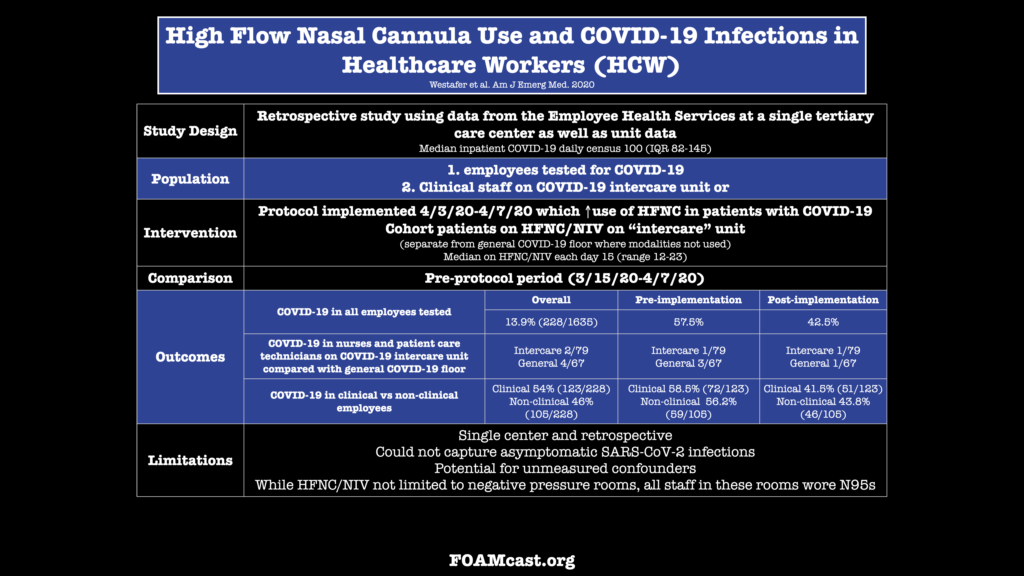
High flow oxygen modalities have been restricted in some institutions due to concern for transmission to health care workers. Endotracheal intubation is one of the most aerosol generating procedures, but the exact risk associated with high flow nasal cannula (HFNC) and non-invasive ventilation is unknown. A 2012 meta-analysis reports on a single study that reported on high flow oxygen, but didn’t provide a definition for this.
We review a study (Westafer et al) that describes trends in health care worker infections at an institution before and after implementation of a protocol that increased use of high flow nasal cannula during the COVID-19 pandemic.
We are bringing you near-daily updates on COVID-19. There is a firehose of information and most of us are too busy to read and digest it all. Note: If you are listening to these more than a few days in the future, please beware that information may have changed and check subsequent episodes. This episode was recorded September 3, 2020.
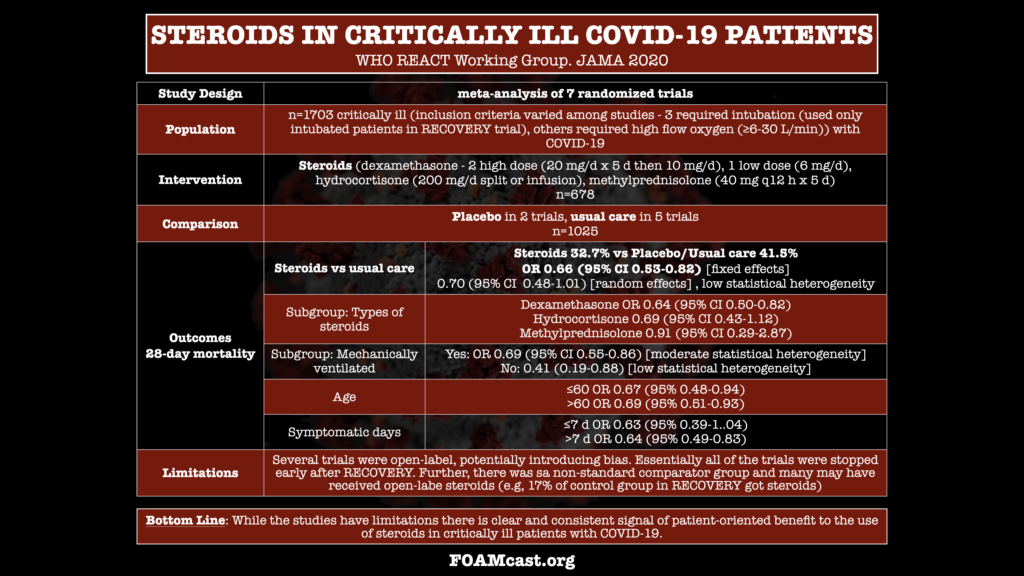
We have previously covered the RECOVERY trial’s reporting of the use of dexamethasone in hospitalized patients with COVID-19. In the wake of those results, several ongoing trials of steroids in COVID-19 were halted, due to concerns about loss of equipoise. Three of these trials were published in JAMA on September 2, 2020 in conjunction with a meta-analysis from the WHO REACT working group.